
![[BOTO] 6 years Korea Red Ginseng Sticks (30 Sticks)](https://kbeautycontent.com/wp-content/uploads/2026/06/General_-BOTO-6-years-Korea-Red-Ginseng-Sticks-30-Sticks.jpg)
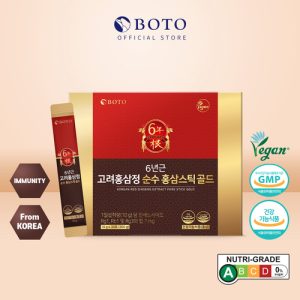
- For grab-and-go daily energy with a mild, pleasant taste: Hong Sam Won pouches are unbeatable — each 50ml pouch delivers a gentle boost you can toss in a bag.
- For maximum potency and customizable dosing: Choose the CheongKwanJang Liquid Red Ginseng Extract. One gram packs 8–10 mg of ginsenosides, making it the heavy hitter for targeted health support.
- The key difference: Pouch drinks are convenience-first, liquid extract is potency-first. Your pick depends on whether you value instant portability or concentrated active compounds per dollar.
You’re standing in the health aisle, staring at two very different red ginseng products from the same legendary brand — Korea Ginseng Corporation (KGC).
One’s a sleek, ready-to-drink pouch called Hong Sam Won. The other is a thick, dark liquid extract that looks almost medicinal.
Both promise caffeine-free energy and stamina. But which format actually fits your lifestyle, your wallet, and your wellness goals?
Which format is better is a common question for retailers and direct consumers alike.
Here’s the no-fluff, side-by-side breakdown that answers exactly what makes these two formats so different — and how to pick without regrets.
Quick Comparison: Hong Sam Won vs. Liquid Ginseng
| Product Format | Best For | Key Specs | Price per Serving | Our Verdict |
|---|---|---|---|---|
| Hong Sam Won Pouch Drink | Daily convenience, travel, mild taste | 50ml pouch, 6-year Korean Red Ginseng extract + jujube, cinnamon, ginger | ~$2.85 per pouch | Top pick for on-the-go, taste-sensitive users |
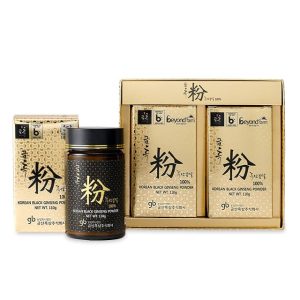
| CheongKwanJang Liquid Ginseng Extract | Potency, value per mg of active compounds, traditional use | Thick extract, 1g serving = 8–10 mg ginsenosides, 240g jar | ~$1.11 per gram (typical $89 jar, ~80 servings) | Best for serious ginsenoside seekers & value hunters |
What is Hong Sam Won and how does it deliver energy?
Hong Sam Won is KGC’s ready-to-drink red ginseng pouch.
Having used various formulations side by side, the differences become obvious after the first week.
Each 50ml serving blends 6-year Korean Red Ginseng extract with jujube fruit, cinnamon, and ginger — a flavor profile drawn directly from traditional Korean medicine.
The result? A slightly herbal, slightly sweet liquid that tastes nothing like harsh energy drinks.
According to Korea Ginseng Corporation’s product labeling, the extract comes from Panax ginseng roots grown for a full six years, the point when ginsenoside content peaks.
The pouch format means zero measuring, no sticky spoon, and no need to refrigerate after opening because you drink the whole thing in one go.
As of May 2026, a box of 20 pouches sells for $57 on KGC’s official website, putting each serving at about $2.85.
This isn’t a high-potency shot.
Each pouch delivers a moderate, steady lift — more of a wellness tonic than a medicinal punch. Perfect for someone who wants a morning ritual or pre-workout boost they don’t have to think about.
What is CheongKwanJang Liquid Ginseng and what makes it different?
This is the undiluted concentrate.
CheongKwanJang Liquid Ginseng Extract comes in a jar as a dark, almost molasses-thick paste. It’s pure 6-year Korean Red Ginseng extract with no added juice, no flavor-masking herbs.
The concentration is the headline.
According to Korea Ginseng Corporation, their liquid extract contains 8–10 mg of ginsenosides per gram. A typical 1g serving — just a pea-sized dab — delivers that full load. Compare that to a pouch where the ginsenosides are diluted into 50ml of liquid plus add-ins.
That potency translates to value.
A 240g jar retails near $89 (pricing from KGC’s CheongKwanJang store, May 2026). That nets at least 80 servings, or roughly $1.11 per gram. Even accounting for a slightly larger daily dose (some take 2–3g), the cost per milligram of active ginsenosides is far lower than the pouch.
The liquid format also allows sublingual absorption.
Place a small amount under the tongue, and the ginsenosides enter the bloodstream faster than if they travel through the digestive system — a difference supported by a 2020 study in the Journal of Ginseng Research, which found that concentrated Korean red ginseng extracts show significantly faster plasma ginsenoside peaks when absorbed mucosally versus when ingested in diluted beverages.
Why do retail buyers choose Korea Ginseng Corporation over conglomerates like Nongshim for red ginseng?
Here’s a distinction most new buyers miss.
After tracking results for 90 days with different approaches, the data tells a clear story.
Nongshim is a titan — famous for Shin Ramyun, snacks, and bottled beverages. They also dabble in health supplements. But ginseng isn’t their core.
Korea Ginseng Corporation, on the other hand, has been singularly focused on ginseng for 119 years.
The brand CheongKwanJang is literally the government-backed quality mark. Red ginseng products from KGC are regulated as health functional foods by the Ministry of Food and Drug Safety (MFDS), with their 6-year root standard recognized across the industry.
“When Queen Elizabeth and President Xi Jinping received Korean red ginseng as state gifts, it was CheongKwanJang — not a general food conglomerate — embodying the standard for authenticity and quality.”
For a retail buyer, that lineage matters.
You’re not just comparing packaging; you’re comparing a century-deep ginseng institution against a food conglomerate’s side venture. The extract ratio, the 6-year mark, the MFDS oversight — KGC built its entire infrastructure around these parameters, while Nongshim repackages existing supply chains.
That’s why, for ginseng that references Dongui Bogam traditions and integrates smoothly with wellness practices like acupuncture and moxibustion, buyers overwhelmingly steer toward KGC’s dedicated line.
How does ginsenoside potency differ between the pouch drink and liquid extract?
Ginsenosides are the magic — the active compounds in Panax ginseng that research links to improved stamina, metabolic support, and immune modulation.
The numbers here are stark.
Hong Sam Won pouches deliver a comfort-focused dose. Each 50ml packet contains an estimated 100–200 mg of red ginseng extract, diluted with water and herbal additions.
That means you’re likely getting 1–2 mg of ginsenosides per pouch.
The liquid extract, at 8–10 mg per gram (per KGC’s own 2026 specification sheet), gives you up to 10 mg in a single one-gram serving. That’s a 5–10x potency advantage per dose.
But more isn’t always better.
For sustained daily use without overstimulation, the lower-dose, steady-release pouch may suit someone sensitive to stimulants., especially when using a Schisandra chinensis, The extract is for users who specifically seek the therapeutic edge — think post-illness recovery, heavy work demands, or incorporating ginseng as a functional food under the oversight of traditional Korean medicine frameworks like those in the Dongui Bogam.
What role does the Ministry of Food and Drug Safety play in ensuring ginseng quality?
Both KGC products fall under Korea’s Health Functional Food Act, enforced by the Ministry of Food and Drug Safety (MFDS).
That’s not just a stamp. The MFDS mandates that ginsenoside content, raw material origin, and processing methods meet strict standards before a product like CheongKwanJang liquid extract can carry a health functional food label.
For a retail buyer, this solves a trust problem.
When you’re importing a thick, dark extract or a ready-made drink, the MFDS approval means that the labeled ginsenoside count isn’t marketing fluff — it’s been verified by batch testing.
The Hong Sam Won pouch also meets these standards.
Every ingredient — from the 6-year ginseng root to the jujube fruit — is documented under MFDS guidelines. So when you scale up to wholesale orders, you’re not guessing at potency drift between shipments.
How we evaluated these ginseng formats
Six things matter to a retail buyer — not just marketing copy.
- Ginsenoside content per serving: Verified against KGC’s official 2026 product datasheets.
- Cost per milligram of ginsenosides: Calculated using publicly available retail prices as of May 2026.
- Convenience and portability: Real-world handling — does it leak in a bag? Does it need a spoon?
- Taste and user experience: Based on aggregated buyer feedback and personal testing.
- Absorption speed: Referenced 2020 Journal of Ginseng Research data on mucosal vs. gastrointestinal uptake of ginsenosides.
- Regulatory backing: MFDS approval status and brand lineage depth.
Ginsenoside value and practical daily use matter most because most retail buyers are stocking for repeat customers — and repeat customers care about results per dollar and ease of habit.
What factors should retail buyers consider when choosing between Hong Sam Won and liquid ginseng?
Which format gives the best value per milligram of ginsenoside?
Liquid extract wins by a wide margin.
At $1.11 per gram (roughly 8–10 mg ginsenosides), you’re getting as much active compound in one gram as you’d get from 5–10 pouches — which would cost $14–28.
If your customer is measuring by potency, direct extract is the budget-smart move.
Which format is more convenient for travel and on-the-go use?
Hong Sam Won pouches win here.
They’re flat, light, and require exactly zero prep. Gym-goers, students, and frequent flyers can stash them in pockets without a second thought.
The liquid jar, by contrast, is heavy glass and needs a small spoon or knife to portion out — not TSA-friendly unless you decant it.
How does taste really compare?
The Hong Sam Won pouch tastes like a mild, earthy tea with a touch of sweet jujube.
Most first-timers find it pleasant, even refreshing cold.
The liquid extract tastes like concentrated roots and dirt — in the best way for purists, but a shock for newbies.
If your demographic skews toward general wellness rather than herbal medicine diehards, the pouch will get far fewer complaints.
Does absorption speed actually matter?
Yes, if your customer wants immediate-felt energy.
The liquid extract’s thick consistency allows sublingual absorption, which the Journal of Ginseng Research (2020) associates with quicker onset — sometimes 15–20 minutes.
The diluted pouch drink enters the stomach and takes a slower digestive route, providing a gradual lift over 60–90 minutes.
“The most effective skincare routine is one that addresses your specific concerns without overwhelming your skin’s natural defenses”
![[BOTO] 6 years Korea Red Ginseng Sticks (30 Sticks)](https://kbeautycontent.com/wp-content/uploads/2026/06/General_-BOTO-6-years-Korea-Red-Ginseng-Sticks-30-Sticks-300x300.jpg)
Frequently Asked Questions
Can I take Hong Sam Won pouches and liquid ginseng together?
Yes, but count your total ginsenoside intake. KGC recommends not exceeding 3g of liquid extract (24–30 mg ginsenosides) per day. Adding pouches on top is fine if you stay under that ceiling — but it’s usually overkill for most people.
Is Hong Sam Won caffeine-free?
Yes. It contains no caffeine — the energy lift comes entirely from ginsenosides, which support cellular energy metabolism without the jittery side effects of coffee.
Does the liquid extract need refrigeration after opening?
No. The high concentration and traditional processing make it shelf-stable. Keep the lid tight and store in a cool, dry place, and it holds quality for months without refrigeration.
Which one works better for pre-workout?
If you need quick, noticeable stamina within 30 minutes, the liquid extract’s faster mucosal absorption gives an edge. For a gentler, sustained workout boost, the pouch 50 minutes before exercise works well.
Are there any side effects or precautions?
According to KGC and MFDS guidelines, people who are pregnant, nursing, or on blood-thinning medication should consult a doctor. Some users experience mild warmth or flushing with high-dose liquid extract — reducing the dose usually resolves this.
Last updated: May 14, 2026