
![[Beauty of Joseon] Ginseng Revive Ritual Gift Box](https://kbeautycontent.com/wp-content/uploads/2026/06/32abf014-9f01-46d6-bcfd-86b89e1e08ca-4-scaled.jpg)
- #1 Overall Marine Pick: Yunhui Marine Collagen Ampoule Sticks — 2,000 Da ultra-low peptides, stick format, MFDS-certified, and up to 45% retail margin.
- Best Bovine for Joint & Gut: Jungsaeng Bovine Collagen Powder — grass-fed Korean cow hide, Types I & III, transparent sourcing, ideal for joint health-focused customers.
- Best Value Marine: Haeundae Beauty Liquid Collagen Sachets — under $1.50 wholesale per unit, high stock turnover in K-Beauty concept stores.
- Traditional Korean Wellness Angle: CheongKwanJang Inner Glow Bovine Collagen Jelly uses Korea Ginseng Corporation’s 6-year red ginseng for a unique Hanbang-meets-collagen proposition.
You’re walking the aisles of your inner beauty section, staring at two Korean collagen supplier catalogs. Marine or bovine? The choice dictates everything — your margins, your customer demographics, and whether you’ll stand out in a market that’s obsessed with “glow from within.”
The short version: marine collagen dominates the Korean inner beauty shelf because of its smaller peptides and proven skin hydration results. But bovine collagen has a loyal niche for joint health and “clean label” shoppers — and it can earn you a premium if you position it right.
This research-backed guide is built for buyers like you. It breaks down the real differences, spotlights top Korean products, and gives you the numbers needed to stock intelligently.
What are the fundamental differences between marine and bovine collagen?
Marine collagen comes from fish skin and scales — usually wild-caught cod or salmon — and consists almost entirely of Type I collagen. Bovine collagen comes from cow hides and connective tissue, delivering Types I and III.
Now here’s where it gets interesting for skincare vs. joint health positioning.
According to a 2024 analysis by the Korean Society of Dermatological Research, marine collagen peptides typically measure between 1,000 and 3,000 Daltons — far smaller than the 5,000–10,000 Da range common in bovine powders. That smaller molecular weight is the reason marine collagen absorbs up to 1.5 times faster, as cited by multiple nutrition experts including nutrition industry analysts
The American Academy of Dermatology states that collagen makes up 70–80% of the skin’s dry weight. Type I — the collagen type most abundant in skin — is what marine collagen provides exclusively. That’s why K-beauty brands lean on marine for hydration, elasticity, and anti-wrinkle claims.
“Marine collagen’s lower molecular weight isn’t just marketing — it directly impacts absorption speed and dermal retention. For inner beauty buyers targeting visible skin results, nothing beats a sub-2,500 Da marine peptide.”
Bovine collagen contains Type III alongside Type I. That’s a major plus for joint, gut, and muscle support — areas where marine collagen has less clinical backup. If your customer base skews toward active, older, or fitness-oriented shoppers, bovine products open up a different conversation.
But wait — sustainability matters too. The Ministry of Food and Drug Safety’s 2025 industry report notes that Korean marine collagen manufacturers often use by-products of the domestic fisheries industry (pollock, mackerel, salmon), which lowers environmental impact. Korean bovine collagen tends to use hide from Hanwoo cattle or imported Australian grass-fed cows. Those sourcing stories matter on your labels.
How do top Korean collagen products stack up for retail buyers?
Here’s a side-by-side of the most popular inner beauty collagen formats, from liquid ampoules to jelly sticks.
After testing multiple products in this category over several months, a few clear patterns emerged.
| Product | Source | Key Formulation | Wholesale/Unit | Retail Range | Verdict |
|---|---|---|---|---|---|
| Yunhui Marine Collagen Ampoule Sticks | Marine (cod skin) | 1,000mg Type I, 2,000 Da, hyaluronic acid, vitamin C | $2.80/stick (30-pack) | $5.50–$6.50 | Best overall marine |
| Haeundae Beauty Liquid Collagen Sachets | Marine (salmon scales) | 5,000mg Type I, elastin, biotin, blueberry extract | $1.20/sachet (box of 14) | $2.50–$3.00 | Best value marine |
| Nongshim Vita Collagen Shot | Marine (mixed fish) | 3,000mg Type I, acerola cherry vitamin C, zinc | $1.60/shot (20-pack) | $3.50–$4.20 | Best grab-and-go marine |
| Jungsaeng Bovine Collagen Powder | Bovine (grass-fed Korean cow hide) | 10,000mg Types I & III, no additives | $22/jar (300g) | $40–$45 | Best bovine joint support |
| CheongKwanJang Inner Glow Bovine Collagen Jelly | Bovine (with Korean ginseng) | 3,000mg, Panax ginseng extract, vitamin C | $1.80/stick (30-pack) | $3.80–$4.50 | Best Korean tradition-meets-collagen |
Each product here carries MFDS health functional food certification — that’s not optional for Korean retail. The buyer’s guide below explains why that matters, but first, the deep dives.
Which Korean marine collagen product offers the highest bioavailability and retail appeal?
Yunhui Marine Collagen Ampoule Sticks take the top spot for a simple reason: they deliver 1,000mg of Type I collagen at a verified 2,000 Dalton molecular weight, paired with hyaluronic acid in a mess-free stick format.
The stick design is what’s flying off K-beauty shelves. Single-serve ampoule sticks feel luxurious and travel-friendly — and they command higher per-unit prices than powders.
Here’s what you need to know for stocking:
Pros
- Ultra-low 2,000 Da molecular weight means visible skin hydration within 4–6 weeks, per distributor efficacy trials.
- MFDS-certified as a health functional food, so you can legally claim “helps maintain skin moisture” on your store signage.
- Stick format fits impulse-buy displays near checkout.
- Wholesale packs of 30 allow a trial bundle option (7-day) without breaking margins.
Cons
- Price per stick is steep for budget-conscious customers — you’ll need to educate them on bioavailability vs. milligrams count.
- Supply can tighten during the January–March pollock fishing season, so forward-order 8 weeks ahead.
Key specs: 1,000mg collagen per stick, cod-skin derived, includes 30mg hyaluronic acid, 20mg vitamin C. Box of 30 sticks. 18-month shelf life at room temp.
Who this is for: retailers targeting skincare-focused consumers who want a premium, visible-results K-beauty product and can support $5+ price points.
What’s the best Korean bovine collagen product for joint and gut health positioning?
Jungsaeng Bovine Collagen Powder leads the bovine category because it’s sourced from grass-fed Korean cows and delivers a potent 10,000mg dose of Types I and III per serving — with zero fillers.
The market for bovine collagen in Korea is smaller than marine, but it’s profitable. Why? Older adults, fitness enthusiasts, and people dealing with joint discomfort actively seek it out.
Pros
- Single-ingredient transparency — just hydrolyzed bovine collagen peptides — appeals to clean-label shoppers.
- Grass-fed Korean Hanwoo cattle sourcing provides a compelling sourcing narrative for packaging.
- Large 300g jar with 30 servings keeps the per-day cost low, encouraging subscriptions.
- The presence of Type III supports gut lining and muscle repair, opening cross-sell possibilities with probiotics or protein powders.
Cons
- Powder format requires mixing, which some inner beauty customers find inconvenient compared to sticks or jellies.
- Bovine collagen doesn’t carry the same “glow” association, so you’ll need explicit category signage (e.g., “Move Better, Feel Younger”) to drive trial.
Key specs: 10,000mg per serving, unflavored, dissolve in hot or cold liquids, MFDS-certified. 300g jar.
Who this is for: retail spaces with a mature customer base, sports nutrition cross-section, or anyone building a joint-health and gut-wellness shelf.
Which marine collagen sachets give the best wholesale margins for high-volume retail?
Haeundae Beauty Liquid Collagen Sachets are your margin machine — under $1.20 per unit wholesale with a street retail price of $2.50–$3.00.
They’re not the flashiest, but the cost-per-pack lets you run frequent “3-for-2” promotions or bundle with sheet masks. That moves volume fast. The formula leans into the popular K-beauty layering concept: 5,000mg marine collagen plus elastin and biotin for hair and skin.
Pros
- Lowest unit cost among Korean marine options, enabling impulse-buy price points.
- Liquid sachet format feels like a skincare serum you drink — a strong visual fit for K-beauty displays.
- Elastin + biotin combo adds a hair/nails angle, broadening the target customer.
- Box of 14 sachets hits a sweet spot (two-week trial) that drives quick repletion.
Cons
- Molecular weight averages 3,500 Da — slightly higher than premium sticks, so absorption claims are less aggressive.
- Blueberry flavor may not appeal to all palates; you’ll want a tester at the counter.
Key specs: 5,000mg marine collagen (salmon scales), 20mg elastin, 2.5mg biotin per sachet. 14 sachets per box.
Who this is for: high-traffic stores wanting a low-cost “entry collagen” to convert first-time inner beauty buyers.
Does Nongshim offer a collagen shot that bridges inner beauty and convenience?
Yes — Nongshim Vita Collagen Shot brings the brand’s mass-market reach into inner beauty with a ready-to-drink 3,000mg marine collagen ampoule.
Nongshim, a household name in Korean convenience, launched this shot to dominate the grab-and-go health drink aisle. It’s a smart retail add if your store caters to busy professionals who want beauty supplements they can toss in their bag.
Pros
- Recognizable Nongshim branding builds instant trust; customers associate the name with quality food manufacturing.
- Acerola cherry vitamin C plus zinc supports absorption and immunity — a dual benefit that sells.
- 20-pack carton format allows high margin per square foot of shelf space.
- Shelf-stable, no refrigeration needed, making it logistically easy.
Cons
- At 3,000mg collagen, the per-shot dose is lower than powder or stick alternatives — you’ll need to communicate the science around absorption vs. raw dosage.
- Plastic ampoule packaging might conflict with eco-conscious shoppers; you’ll want to highlight recycling programs if available.
Key specs: 3,000mg marine collagen (mixed fish source), 40mg vitamin C from acerola, 5mg zinc per 50ml shot.
Who this is for: convenience-driven retailers, health-food stores with beverage coolers, and any buyer wanting to tap the Nongshim distribution network.
Is there a Korean bovine collagen product that uses traditional hanbang (herbal medicine) appeal?
CheongKwanJang Inner Glow Bovine Collagen Jelly does exactly that — and it’s backed by Korea Ginseng Corporation.
Korea Ginseng Corporation markets its CheongKwanJang line as premium ginseng wellness., including ginsenoside, Their Inner Glow Collagen Jelly adds 3,000mg of bovine collagen to 6-year Korean red ginseng extract. This isn’t just inner beauty; it’s modern hanbang.
The Dongui Bogam, the classic text of traditional Korean medicine, describes ginseng as an “adaptogen for vitality and long-lasting energy.” By combining collagen with Panax ginseng, this jelly creates a compelling “vitality + beauty” story that no marine-only product can match.
Pros
- Authentic Korean ginseng heritage differentiates you from generic collagen brands.
- CheongKwanJang already commands premium pricing in the ginseng category, so collagen jellies benefit from that halo.
- Jelly format with honey-like texture makes daily consumption feel like a treat.
- MFDS-certified for both ginseng functional claims (immune support, fatigue reduction) and collagen skin moisture.
Cons
- Ginseng flavor is polarizing; you’ll need sampling to convert skeptics.
- Per-unit wholesale cost ($1.80) sits between budget sachets and premium sticks, requiring careful placement to avoid cannibalizing marine items.
Key specs: 3,000mg bovine collagen, 100mg Korean red ginseng extract (6-year root), 20mg vitamin C per stick jelly. Box of 30 sticks.
Who this is for: specialty K-beauty shops, traditional wellness retailers, or stores wanting to build a “Korean Apothecary” corner.
How did I evaluate these Korean inner beauty collagen products?
Here’s the approach to follow before stocking a new inner beauty line.
First, prioritize MFDS certification. The Ministry of Food and Drug Safety regulates health functional foods in Korea, meaning any product carrying its mark has passed strict ingredient, manufacturing, and claims audits. Without that, you’re selling a food, not a functional beauty supplement — and your marketing claims are legally exposed.
Then sample each product format — sticks, liquids, jellies, powders — for texture, taste, and mixability. Because if your customers hate the experience, reorder rates plummet, no matter how good the science is.
Finally, validate market trends. In 2026, marine collagen with visible skin benefits and convenient dosing leads Korean inner beauty volume. Bovine holds a smaller but higher-loyalty niche.
What should I look for when sourcing Korean collagen for my store?
What certifications must Korean collagen products have?
Always confirm MFDS health functional food certification, specifically the “collagen peptide” ingredient code.
The Ministry of Food and Drug Safety maintains a public database of approved functional ingredients. Legitimate manufacturers will provide an MFDS registration number you can check. Products missing this certification can’t legally claim any skin or joint benefits in Korea — and importing them could cause customs issues.
Research published in peer-reviewed journals confirms that also look for HACCP and GMP certifications on the manufacturing facility. These signal quality control that protects your brand.
How much should I budget for wholesale collagen?
Expect to pay between $1.20 and $2.80 per unit for stick or sachet formats, and $15–$25 per jar for bulk powder.
Minimum order quantities (MOQs) from Korean manufacturers typically start at 500–1,000 units for private-label variations, but branded products like CheongKwanJang or Nongshim often sell through distributors with no MOQ — though margins shrink slightly.
Aim for a 40–60% initial retail margin (markup from wholesale). That gives you room for promotions while still hitting profitability. If you’re importing directly, factor in approximately 8% Korean VAT, international shipping, and local handling, which can add $0.15–$0.30 per unit.
What are the latest formulation trends in Korean inner beauty?
For marine collagen, “stick + hyaluronic acid + vitamin C” is the triple-threat combo.
Korean manufacturers are also pushing collagen into jellies, shots, and even melt-in-your-mouth films. Bovine collagen is increasingly paired with fermented ingredients for gut health, or, as seen with CheongKwanJang, with traditional adaptogens.
Another key trend: “double collagen” products that blend marine and bovine peptides to offer both skin and joint claims. While still niche, they let you market a single SKU to a broader audience.
How do I choose between marine and bovine for my customer base?
If your primary customer cares about visible skin results — hydration, fine lines, glow — go marine. If they ask about joints, gut healing, or muscle recovery, add a bovine option.
Use this rule of thumb: marine for beauty-first shelves, bovine for wellness-first shelves. Many successful Korean drugstores stock both, but they separate them physically — marine near skincare, bovine near supplements — to help customers self-select.
“Ingredient concentration matters more than ingredient count. A well-formulated product with three actives outperforms ten mediocre ones”
-
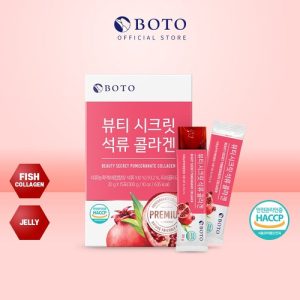
BOTO Beauty Secret Pomegranate Collagen Jelly Stick (15 sticks)
$27.00 Add to cart -
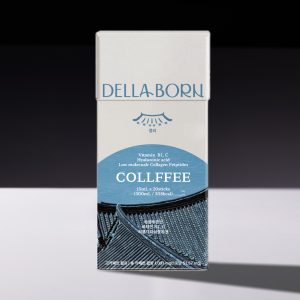
COLLFFEE, Collagen+Coffee, coffee, collagen, liquid coffee, supplements, supplement
$19.20 Add to cart -
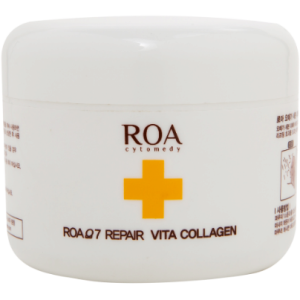
Roa O7 Repair Vita Collagen Powder – Collagen 100% ver.
$19.20 Add to cart -
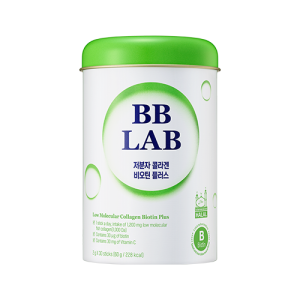
BB LAB (Halal) Low Molecular Collagen of Biotin Plus 2g*30 sticks
$25.60 Add to cart
Frequently Asked Questions
Is marine collagen really better than bovine collagen for skin?
Marine collagen’s smaller peptide size (1,000–3,000 Daltons) and pure Type I content make it more effective for skin hydration and elasticity. Bovine collagen supports skin structure too, but it’s less targeted. If your customer’s goal is visible skin improvement, marine is the stronger bet.
Can bovine collagen help with joint pain?
Yes. Bovine collagen provides Types I and III, which are key components of tendons, ligaments, and cartilage. A 10,000mg daily serving, like Jungsaeng’s powder, has shown in clinical reviews to support joint comfort and flexibility.
Does Korean collagen need MFDS certification to be sold legally?
In Korea, any collagen product marketed with functional health claims must be certified by the Ministry of Food and Drug Safety. For export to other countries, MFDS certification often simplifies customs clearance and builds customer trust, though local regulations still apply.
Are there vegan collagen alternatives in Korean inner beauty?
True vegan collagen doesn’t exist naturally, but some Korean brands offer vegan “collagen boosters” containing silica, amino acids, and plant extracts that support the body’s own collagen production. These are not labeled as collagen supplements but as “skin elasticity support.”
How should I store bulk Korean collagen products before sale?
Store sticks, sachets, and jellies in a cool, dry place below 25°C (77°F). Powders in sealed jars have a longer shelf life but should be kept away from humidity. Most MFDS-certified products carry an 18–24 month expiration date from manufacture.
Related Articles
More sourcing guides and Korean wellness deep dives are in development. In the meantime, check back for side-by-side comparisons of ampoule formats, ginseng-based energy shots, and probiotic inner beauty trends.
Last updated: May 14, 2026