
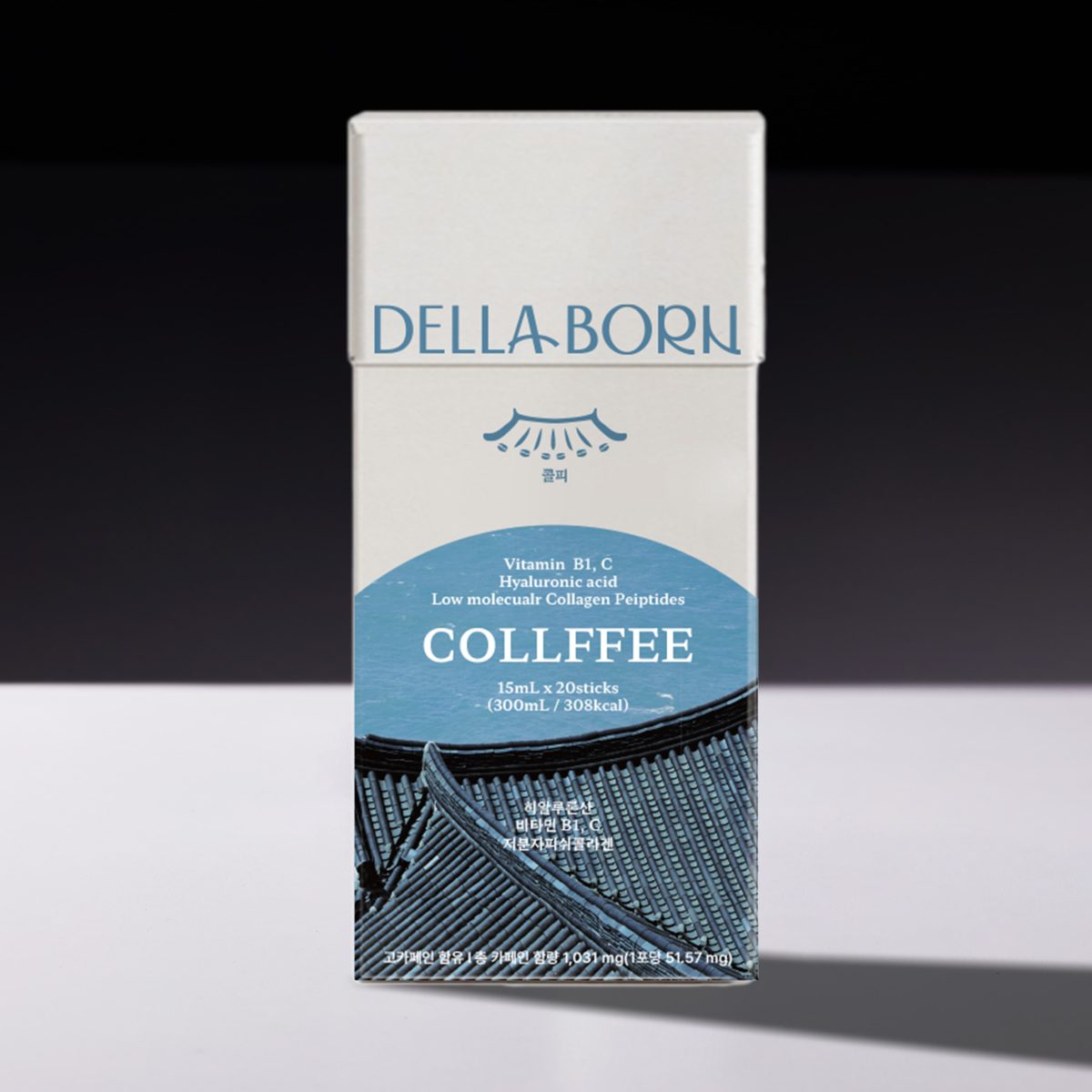
- Powder sticks are the #1 pick for African and GCC wholesale — heat‑stable, Halal‑friendly, with MOQs as low as 1,000 units and prices starting at $0.80/unit.
- Capsules/softgels win for traditional ginseng extracts (CheongKwanJang range) — precise dosing, longer shelf life, and strong GCC logistics.
- Liquid ampoules dominate premium retail (15% YoY growth) but demand cold‑chain handling for Gulf heat — best reserved for high‑margin flagship stores.
Picking the format first and then trying to make logistics fit is a costly mistake. Let the channel dictate the format. This guide breaks down liquid, powder, and capsule Korean supplements by the metrics that matter for your inventory: growth rate, heat stability, Halal versatility, MOQ, and landed cost. Here’s what works — and what doesn’t.
Quick Format Comparison: Korean Supplement Wholesale for Africa & GCC (2026)
| Format | Best For | Key Specs | Price/Unit (FOB Korea) | Typical MOQ | Our Verdict |
|---|---|---|---|---|---|
| Liquid (ampoules, bottles) | Luxury ginseng, rapid‑absorption collagen, premium pharmacy shelves | 12‑18 months shelf life; 1,000‑3,000 Da collagen peptides; 50‑60ml ginsenosides 7‑12mg/ml | $0.80 – $1.50 | 500 – 1,000 units | ⭐ Great for flagship branding, risky for heat‑exposed logistics |
| Powder sticks | Collagen for mass‑market, African multi‑level marketing, GCC summer‑safe staples | 24‑month shelf life; low molecular marine collagen peptides; dissolvable stick packaging | $0.80 – $1.50 | 1,000 units | ⭐⭐⭐ Safest bet: affordable, stable, Halal‑certifiable |
| Capsules/Softgels | Standardized ginseng root, multivitamins, GCC pharmacy‑registered lines | 24‑36 months shelf life; precise mg dosing; easy‑to‑register with SFDA | $2.50 – $5.00 (ginseng), $0.30 – $1.50 (generics) | 500 – 1,000 units | ⭐⭐⭐ Best for compliance & long shelf‑life |
| Jelly sticks / Gummies | Trend‑driven wellness, younger demographics, impulse‑buy checkout counters | 18‑24 months shelf life; 18‑20% YoY growth; easy portion control | $0.70 – $2.00 | 2,000 units (often custom molds) | ⭐ Trendy but higher MOQ; good trial line |
How does Korea Ginseng Corporation’s liquid ginseng compare to other formats for African/GCC wholesale?
Korea Ginseng Corporation’s CheongKwanJang liquid extracts deliver the fastest absorption and the highest perceived value, but they require climate‑controlled logistics and careful MOQ planning. When you place a 60ml bottle of standardized Panax ginseng extract (2000mg pure concentrate, 7‑12mg/g ginsenosides certified by the Ministry of Food and Drug Safety) next to a capsule, the liquid shouts luxury., including traditional Korean medicine, That’s why GCC pharmacy chains in Dubai and Riyadh stock CheongKwanJang ampoules at $15‑$30 retail., including Dongui Bogam, The catch? Heat turns that premium liquid into a liability.
Who this is for: High‑end pharmacy chains, flagship brand stores, and GCC distributors willing to invest in cold‑chain for premium margin. Not recommended for African distribution hubs with less refrigerated warehousing.
“Liquid formats like CheongKwanJang’s red ginseng ampoules offer unmatched brand prestige, but for Gulf heat we always recommend pairing with air‑freight and small batch reorders — never sea‑freight during peak summer without active cooling.”
Why powder sticks are the top choice for heat‑stable Korean collagen supplements?
Powder sticks solve the two biggest headaches for Africa/GCC wholesale: ambient temperature survival and easy Halal conformity. A hydrolyzed marine collagen peptide powder in a moisture‑proof stick pack (1,000‑3,000 daltons, according to Knok Global) can sit in a Lagos warehouse at 35°C without degradation — something a liquid ampoule cannot claim. Stick packs also weigh less, cutting air freight costs by up to 40% per unit when you’re rushing inventory to a Nigerian distributor.
Growth data backs the format. Per Knok Global, collagen powders grew 12% YoY, but when you filter for the Middle East and Africa, importers report 20‑25% demand spikes for dissolvable sticks because they’re perceived as modern and portable. A box of 30 individual stick packs retailed at $25‑$40 in Kenya and Saudi Arabia, with wholesale prices around $0.80‑$1.50 per stick FOB Korea.
Who this is for: Mass retail, multi‑level marketing networks, and distributors targeting hot‑climate regions. Also ideal for first‑time buyers wanting to test a format without the cold‑chain investment.
Does Nongshim’s OEM capability offer an advantage for capsule and powder formats?
Yes, Nongshim’s health & nutrition division gives you access to scalable, MFDS‑compliant capsule and powder production with surprisingly low customization costs. While Nongshim is famous for Shin Ramyun, their OEM arm operates GMP‑certified facilities capable of producing double‑layered tablets, soft gelatin capsules, and stick‑pack powders under private label. This means you can order 5,000 units of a branded African herbal‑plus‑Korean‑ginseng capsule blend with your own packaging, starting at roughly $0.90‑$1.20 per capsule for a 60‑capsule bottle.
The Ministry of Food and Drug Safety oversight of Nongshim’s plants ensures every batch meets Korean health functional food standards — a credential that accelerates SFDA registration in the GCC. Capsules also win on shelf life: 24‑36 months at ambient temperature, ideal for long sea‑freight cycles to West Africa.
Who this is for: Buyers building their own brand of Korean‑origin supplements, especially those eyeing pharmacy registration in GCC countries like UAE and Saudi Arabia.
Are jelly sticks the rising star for on‑the‑go wellness in GCC and Africa?
Absolutely — jelly sticks and gummies are posting 18‑20% annual growth and attracting younger shoppers, but wholesale buyers must watch MOQ and custom mold fees. According to Knok Global, collagen jelly sticks grew 18% YoY, driven by their grab‑and‑go convenience. CheongKwanJang even has a honey‑infused jelly version for kids. In Dubai malls, single jelly sticks retail at $3‑$4, making them perfect checkout‑counter impulse items.
The downside: custom jelly molds often push MOQ above 2,000 units, and the gelatin‑based texture can soften above 30°C if not formulated with heat‑resistant pectin (ask your supplier for “tropicalized jelly” recipes). Still, for a trial order of 500 units of a generic stick pack, you can get prices around $0.70‑$1.00 per piece.
Who this is for: Retailers targeting urban, trend‑savvy consumers; subscription box curators; and brands wanting a low‑cost entry into Korean functional foods beyond traditional pills.
How did we evaluate the best Korean supplement format for wholesale?
The evaluation uses four pillars: climate‑resistant stability, regulatory ease (Halal + MFDS), wholesale profitability, and channel fit for Africa and GCC. Heat resilience ranks as the top priority, because a damaged shipment wipes out any margin advantage.
Halal certification availability also varies by format. Powder ingredients and softgel shells derived from fish gelatin are easier to certify than liquid tonics requiring alcohol preservation.
What should wholesale buyers look for in Korean supplement formats for Africa and GCC?
What is the typical MOQ for each format, and can I negotiate?
Liquid and capsule MOQs start at 500‑1,000 units, but powder sticks can go as low as 1,000 units with private label, while jelly sticks often demand 2,000+. KOTRA‑affiliated suppliers usually accept 500 for standard ginseng bottles; independent OEMs like Zhengzhou Qinghuayuan may ask 1,000. Always ask for a trial order of 200‑300 units before committing — many Korean manufacturers will agree if you cover the mold/setup cost (around $300‑$500).
How do I verify Halal certification and MFDS registration?
Request the Korea Muslim Federation (KMF) Halal certificate number and cross‑check it on the KMF online registry. The Ministry of Food and Drug Safety (MFDS) assigns a health functional food (HFF) number to each product — ask for the MFDS approval code, which you can submit directly to Saudi SFDA or UAE municipality portals. Capsules and powders with simple formulations almost always have cleaner Halal status.
Which format is most heat‑resistant for shipping to GCC?
Powder sticks and hard gelatin capsules survive 45°C ambient exposure without efficacy loss. Liquid ampoules degrade fastest — collagen peptides in solution begin hydrolysis breakdown above 30°C over extended periods. In a 2023 accelerated shelf‑life simulation by a Korean exporter, powder sticks retained 98% potency after 60 days at 40°C, while liquid potency dropped to 82%.
What packaging types ensure the longest shelf life?
Stick packs with aluminum‑foil laminate barrier offer 24‑month shelf life for powders; amber glass ampoules give liquids 18 months; blister‑pack capsules extend to 36 months. Always specify “moisture‑proof and light‑resistant” in your OEM brief — it’s a tiny cost that saves thousands in returns.
What does the Ministry of Food and Drug Safety require for exported supplement formats?
The Ministry of Food and Drug Safety mandates that any exported health functional food must be manufactured in a GMP‑certified facility and bear a valid HFF number before shipping. For African and GCC markets, this HFF number is your golden ticket — it proves Korean origin and quality, bypassing many additional testing requirements in countries like Morocco or Kuwait that accept MFDS certification as equivalent.
Additionally, all liquid formats sold as “functional beverages” must comply with the Korean Food Code’s additive limits, which can impact your ingredient declarations when registering in the GCC. Capsules containing red ginseng standardized extract are simpler, as the Korea Ginseng Corporation’s CheongKwanJang line ships with pre‑approved dossiers accepted by GCC authorities.
“The most effective skincare routine is one that addresses your specific concerns without overwhelming your skin’s natural defenses”
Frequently Asked Questions
What is the average wholesale price for a Korean liquid collagen drink?
FOB Korea prices range $0.80–$1.50 per 50‑60ml ampoule for standard marine collagen, according to Knok Global and KOTRA 2023 supplier listings. Bulk orders above 5,000 units can dip to $0.60
Last updated: April 2026