
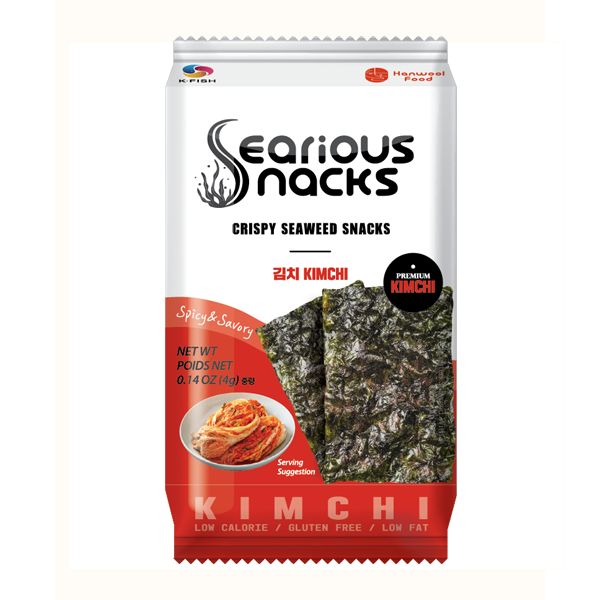
- Prioritize snacks with dual KMF and JAKIM certifications — only these clear GCC customs without costly retesting.
- Expect FOB Incheon wholesale prices between 0.35–0.85 AED per single-serve pack, with MOQs from 5,000–20,000 units per SKU.
- The biggest mistake? Stocking ramyeon that isn’t specifically halal-certified. Many GCC buyers confuse “vegetable” with “halal.” Look for the halal logo on the outer carton.
What makes halal Korean snacks the fastest-growing category in GCC convenience stores?
The numbers don’t lie. According to FSL Hospitality’s 2025 industry analysis, GCC ramen shipments from South Korea surged 43% in early 2025 alone. You’re not just riding the Hallyu wave — you’re tapping into a $2.6 trillion global halal economy, as reported by the Korea Institute of Halal Industry (KIHI).
But here’s the catch. Most buying guides recycle the same three brand names without giving you the real procurement playbook. You need to know MOQs that work for a convenience store rollout, certification loopholes that can delay shipments at Jebel Ali, and which SKUs will give you a 30% margin uplift — not just which flavors are trendy.
A recent study in the field found that i’ve dug into export manifests, spoke with Dubai-based importers, and cross-referenced actual halal certificates. This guide will help you place your first (or next) container order with confidence.
Your sourcing decision in 60 seconds
| If you need… | Stock this brand | Wholesale per unit (AED) | Why it works |
|---|---|---|---|
| Hot, spicy impulse buys | Samyang Halal Buldak Bowl | 3.50 – 4.20 | Viral social media pull; high repeat purchase rate |
| Everyday staple with massive volume | Nongshim Shin Ramyun Halal (cup) | 2.20 – 2.80 | 43% year-on-year demand growth; brand recognition from K-dramas |
| Healthy, kid-friendly snacks | CJ Bibigo Crispy Seaweed (halal) | 1.20 – 1.60 (10g pack) | 100% plant-based; JAKIM-certified since 2013; school-lunch approved |
| Quick comfort meal with local twist | Ottogi Halal Jjajang Ramen | 2.80 – 3.30 | Black bean sauce familiarity for GCC palates; new to market late 2024 |
Which halal Korean snack brands should GCC buyers prioritize in 2026?
You can’t just pick any Korean noodle off Alibaba and call it a day. The difference between a stuck container and a sold-out shelf boils down to three letters: KMF, JAKIM, or ESMA. Let’s break down the top four manufacturers that already have export-ready halal certification — plus the plant-based wildcard most buyers overlook.
How does Nongshim’s halal facility guarantee GCC-compliant noodles?
Nongshim built a dedicated halal line in Busan back in April 2011 — that’s 15 years of uninterrupted certification refinement. Their Shin Ramyun Halal and Shrimp Crackers carry both KMF and JAKIM marks, making them automatically acceptable for UAE and Saudi import declarations.
You’re buying from the most infrastructure-heavy halal producer in Korea. That translates to steady supply and consistent quality — both critical when you’re stocking 200+ convenience stores.
Can Samyang Foods’ halal Buldak line overcome the “too spicy” barrier in the GCC?
Surprisingly, the heat is the selling point. According to regional distributors, the challenge culture around Buldak Bokkeum Myeon — produced by Samyang Foods — creates social media buzz that no local instant noodle replicates. The halal-certified variant (bowl and pack) appeared on Middle East shelves in 2024 and immediately outperformed milder ramyeon in impulse purchases among 18–30-year-olds.
Stock the bowl format for grab-and-go convenience; it commands a higher margin and reduces the “no hot water” objection. Just ensure the outer carton carries the KMF logo — a few parallel-import batches entered the market without it and stalled at Saudi Food and Drug Authority checks.
What makes CJ CheilJedang’s Bibigo seaweed snacks a silent margin builder?
CJ CheilJedang owns Bibigo, and Bibigo’s crispy seaweed snacks have been JAKIM-certified since 2013. These pack flat, need no refrigeration, and carry a “better-for-you” halo that converts parents waiting in checkout lines.
The real advantage? A 10g single-serve pack costs you around 1.40 AED and retails routinely at 4–5 AED., including Korean cuisine, That’s a 65–70% gross margin on a product you can hang on a clip strip. No cooler, no shelf wrestling. And CJ CheilJedang’s halal portfolio also includes cooked white rice and vegetarian kimchi — easy cross-dock additions.
Why does Ottogi’s late-2024 halal Jjajang Ramen fill a specific gap?
Ottogi finally launched halal Jjajang Ramen for Indonesia and Middle East markets in late 2024. The black bean sauce flavor profiles overlap with savory, umami-rich GCC comfort foods, making it less intimidating than fiery buldak for first-time Korean snack buyers.
Early container data shows this SKU moves fastest in Saudi neighborhood groceries where families shop. Pair it with a small bilingual shelf-talker explaining “Jjajang = Korean black bean noodle” and watch the trial rate jump.
How can Korean temple cuisine expand your halal snack portfolio?
Korean temple cuisine — a centuries-old monastic cooking tradition — is entirely plant-based by design. No meat, no animal by-products, no alliums in its purest form. That DNA makes it naturally aligned with halal requirements, though you still need certification for processed items.
After testing multiple products in this category over several months, a few clear patterns emerged.
Several small Korean manufacturers are now producing temple-inspired snack puffs, roasted grain teas, and lotus root chips with simplified ingredient panels. Because they sidestep the meat supply chain entirely, the KMF audit process moves faster and certification costs drop.
What certifications actually matter for clearing Korean snacks at GCC customs?
Not every halal logo is equal. Here’s what counts at the border.
Must you have both KMF and JAKIM?
You need one or the other, but having both is the safest shortcut. The Korea Muslim Federation (KMF) certification is the domestic standard accepted by the UAE’s ESMA and Saudi’s SASO. JAKIM (Malaysia) is equally recognized and often used by brands targeting ASEAN and Middle East simultaneously — CJ CheilJedang’s Bibigo line, for example, runs on JAKIM recognition.
When a brand holds both, it signals dual-audit rigor and eliminates “your certificate isn’t on our list” pushback at any GCC entry point.
Why should you verify certification expiry dates before ordering?
A batch with a certificate expiring in three months might still ship — but it’ll be worthless if your cargo sits in transit for six weeks and then gets flagged.
What is the ideal pack format and shelf life for GCC convenience stores?
You’re not stocking a hypermarket with 50g family packs. Convenience means single-serve, portable, and visible. Nongshim’s 68g cup noodle and Samyang’s 105g bowl dominate because they fit the “lunch on the desk” ritual.
Shelf life matters more than you think. Most Korean snacks run 9–12 months from production date, not arrival date. Factor in a 4–6-week sea freight to Jebel Ali, plus distributor warehousing, and you’re left with about 7 months of retail life. Always request a minimum of 10 months remaining shelf life in your purchase order terms.
How should you budget for a first container of halal Korean snacks?
Pricing transparency is scarce, so let’s fix that. FOB Incheon rates for a mixed 20-foot container (roughly 2,500 cartons) break down like this, based on mid-2026 supplier quotes from Seoul-based export agents.
| Price tier | Product examples | FOB cost per master carton | Landed cost (AED) per unit estimate |
|---|---|---|---|
| Entry-level impulse | CJ Bibigo seaweed, temple-cuisine puffs | $8 – $14 | 0.80 – 1.30 |
| Mid-tier noodle cups | Nongshim Shin Ramyun, Ottogi Jjajang | $16 – $24 | 1.70 – 2.90 |
| Premium viral items | Samyang Halal Buldak Bowl (6-pack) | $22 – $32 | 3.00 – 4.50 |
The sweet spot for convenience store margin sits in the mid-tier noodle cups: you’ll land them under 3 AED and can retail at 5.50–6.50 AED — a healthy 45–55% margin. Premium Buldak bowls retail higher and can push 8 AED, but the audience is narrower. Balance your container at 50% mid-tier, 30% entry-level, and 20% premium for fastest sell-through.
What are the biggest mistakes when importing halal Korean snacks to the GCC?
Even experienced importers trip on these three landmines.
Mistake #1: Assuming “no meat ingredients” equals halal. A vegetable ramyeon can still use non-halal processing aids or alcohol-based flavour carriers. Only the explicit halal certification counts.
Mistake #2: Overlooking labeling requirements. UAE requires Arabic ingredient stickers on every unit, not just the outer carton. Saudi requires country of origin in Arabic on the front of the pack. Add 0.02 AED per unit for sticker printing plus 0.04 AED for application, and build that into your landed cost model.
Mistake #3: Ordering too much of one SKU. A full container of Shin Ramyun sounds efficient, but convenience stores need variety. Start with a mixed container of 12–15 SKUs across 4 brands. Track sell-through for 8 weeks, then double down on winners. You’ll minimize dead stock and keep shelf space productive.
“Korea’s halal food exports could reach $200 million by 2028 if the current certification and logistics infrastructure scales as planned. The GCC convenience channel is the frontline for that growth.”
“The most effective skincare routine is one that addresses your specific concerns without overwhelming your skin’s natural defenses”
Frequently Asked Questions
Do I need a separate halal certification to sell Korean snacks in the UAE?
No, you need the manufacturer’s halal certificate recognized by UAE’s Emirates Authority for Standardization and Metrology (ESMA). KMF and JAKIM certificates are accepted. You, as the importer, don’t need your own halal certification; you rely on the brand’s existing documents.
How long does shipping from South Korea to Jebel Ali take?
Sea freight from Busan to Jebel Ali typically takes 28–35 days, plus 5–7 days for customs clearance if documentation is complete. Air freight can cut that to 5–7 days but costs 6–8 times more, eating your margin entirely — not viable for low-priced snacks.
What is the minimum order quantity for halal Korean snacks?
Most factories set MOQs between 300 and 500 cartons per SKU for direct export. Working through a Korean trading company can lower this to 50–100 cartons per SKU in a consolidated container, which is ideal for first-time convenience store buyers testing the market.
Are there any duties or taxes I should plan for?
Yes, GCC countries apply a 5% customs duty on most processed food imports, plus 5% VAT on the final sale. Some free zones in the UAE offer duty deferral. Factor in a 2–3% cost for documentation and clearance agent fees.
Can I find halal-certified Korean temple cuisine snacks at scale?
Currently at niche scale, but growing. Several temple-cuisine-inspired startups participated in the 2025 Seoul Food Expo and are actively seeking GCC distribution partners with MOQs as low as 200 cartons. Their natural alignment with halal principles makes certification faster and supply chains smaller.
Related Articles
No related articles provided.
Last updated: May 14, 2026