
- For brightening: Beauty of Joseon Glow Deep Serum (rice + alpha arbutin), or the gentler Light On Serum (centella + vitamin C) for reactive skin
- For hydration: COSRX Hydrium Triple Hyaluronic Ampoule (three HA weights) or the Beauty of Joseon Revive Serum (ginseng + snail mucin)
- For pores / texture: COSRX Red Rice Inositol Pore Peel Serum (gentle rice exfoliation)
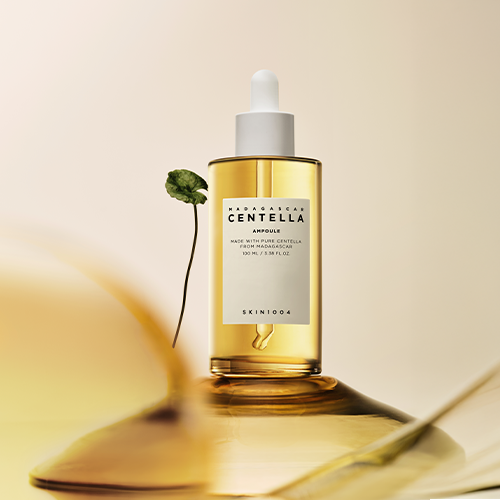
- For sensitive/reactive: SKIN1004 Madagascar Centella Ampoule (one-ingredient cica)
- For anti-aging: the L2 Bakuchiol 2% + Retinol 0.5% serum (cushioned renewal, PM)
The serum step is where Korean skincare delivers its most targeted results.
But the Korean serum market has hundreds of products across dozens of ingredient families.
Buying the wrong type for your skin concern means eight weeks of hoping for results you’ll never see.
This guide organizes Korean serums by what they actually do, explains the formulation differences that determine real-world effectiveness, and gives you a clear recommendation for each concern — including the options most Western guides miss.
Top Korean Serum Picks for 2026
![[coxir] Black Snail Collagen Serum 50ml](https://kbeautycontent.com/wp-content/uploads/2026/06/General_-coxir-Black-Snail-Collagen-Serum-50ml-300x300.jpg)
![[Be The Skin] 3D Hyaluron Capsuled Collagen NAD Serum 45ml](https://kbeautycontent.com/wp-content/uploads/2026/06/General_-Be-The-Skin-3D-Hyaluron-Capsuled-Collagen-NAD-Serum-45ml-300x300.png)
![[Beauty of Joseon] Revive Eye Serum : Ginseng + Retinal 30ml](https://kbeautycontent.com/wp-content/uploads/2026/06/32abf014-9f01-46d6-bcfd-86b89e1e08ca-300x300.jpg)
![[Beauty of Joseon] Ginseng Moist Sun Serum 50ml](https://kbeautycontent.com/wp-content/uploads/2026/06/bc1749c8-8308-4305-be48-fc9824521a14-300x300.jpg)
![[APLB] Snail Mucin Ginseng Ampoule Serum 40ml](https://kbeautycontent.com/wp-content/uploads/2026/06/General_-APLB-Snail-Mucin-Ginseng-Ampoule-Serum-40ml-300x300.jpg)
How Korean Serums Differ from Western Serums
Korean serums prioritize hydration + actives in a single step, where Western serums typically separate treatment (vitamin C, retinol) from hydration (separate HA serum). The Korean approach embeds hyaluronic acid, beta-glucan, or ferment filtrates into the treatment formula itself.
This means fewer layers to apply and better compatibility with the rest of a routine. A Korean vitamin C serum isn’t just ascorbic acid in a silicone base — it’s ascorbic acid plus three weights of HA plus adenosine plus a ferment extract.
That layering-in-one philosophy is the reason Korean serums feel lighter but deliver more hydration than equivalent Western products at the same active concentration.
The best formulas pack multiple functions into a single texture — hydration, brightening, barrier support — without requiring a six-step routine to see results.
Western serums start with the active and add hydration around it. Korean serums start with a hydrating base and stabilize the active inside that matrix.
The result is a serum that doesn’t sting, doesn’t pill under sunscreen, and doesn’t dry out your skin while treating hyperpigmentation or acne.
How to Choose: Match Serum Type to Skin Concern
Serums work when the active ingredient matches the biological process causing the concern.
Niacinamide regulates sebum production — it works for oily skin because it inhibits sebaceous gland overactivity. Centella asiatica reduces inflammation — it works for redness because it downregulates the cytokines that trigger vascular dilation.
Using a centella serum for hyperpigmentation won’t fail dramatically — it just won’t address the melanin synthesis pathway. Using a high-concentration vitamin C serum for redness will fail dramatically — it will make the redness worse. Match the active to the concern, and the serum works.
Mismatch them, and you waste eight weeks.
| Concern | Ingredient to Look For | Avoid If |
|---|---|---|
| Dark spots / hyperpigmentation | Vitamin C (L-ascorbic acid), niacinamide, alpha-arbutin, tranexamic acid | High-concentration L-ascorbic if sensitive (use MAP or glucoside form instead) |
| Dehydration / dullness | Hyaluronic acid (multi-weight), snail mucin, beta-glucan, propolis | Nothing specific — all skin types tolerate well |
| Enlarged pores / oiliness | Niacinamide (4–10%), BHA (salicylic acid), galactomyces | Heavy oil-based serums — worsen congestion |
| Acne / blemishes | Centella asiatica, tea tree, salicylic acid, propolis, zinc | Rich occlusive serums during active breakouts |
| Fine lines / anti-aging | Peptides, adenosine, retinol (PM), niacinamide, EGF | Mixing retinol with vitamin C or AHAs (irritation risk) |
| Redness / sensitivity | Centella asiatica, panthenol, allantoin, madecassoside | High-concentration vitamin C, AHAs, alcohol denat |
Vitamin C Serums: L-Ascorbic vs. Derivative Forms
Vitamin C is one of the most effective brightening ingredients in skincare. It inhibits tyrosinase, the enzyme that converts tyrosine into melanin. It also stimulates collagen synthesis and acts as an antioxidant that neutralizes free radicals from UV exposure.
But vitamin C is unstable — it oxidizes in the presence of light, air, and water, turning from effective to inert (or worse, irritating) within weeks if the formulation isn’t engineered correctly.
That instability is why Korean vitamin C serums come in multiple forms.
Some brands prioritize potency and accept the trade-off of shorter shelf life and higher irritation risk. Others prioritize stability and gentleness and accept that results take longer. The form of vitamin C determines which trade-off you’re making.
L-Ascorbic Acid (LAA): The most potent, most researched form. Inhibits melanin production and stimulates collagen synthesis. Also the most unstable — oxidizes quickly, stings sensitive skin at high concentrations (15%+), requires low pH formulation (around 3.5). Best for oily and normal skin with visible hyperpigmentation.
High-concentration L-ascorbic serums are the benchmark for this approach — maximum efficacy if you can tolerate it, at the cost of a short shelf life once the bottle is opened.
Magnesium Ascorbyl Phosphate (MAP): Stable water-soluble derivative. Works at neutral pH. Less potent than LAA but far less irritating. Ideal for sensitive skin or anyone who has reacted to LAA serums. Brightening effects take longer but build without irritation.
MAP converts to ascorbic acid on the skin after penetration, which is why it works at a slower rate than direct LAA application.
Ascorbyl Glucoside: Very stable. Converts to L-ascorbic acid on the skin. Even gentler than MAP. Beauty of Joseon’s Light On Serum leans on a gentle vitamin C paired with centella for the same low-irritation goal. The glucoside bond protects the ascorbic acid from oxidation during storage, and skin enzymes cleave the bond after application.
This is the gentlest vitamin C form available in Korean serums.
Marketing always says the new vitamin C formulation is stable. Stable, until it sits in a warehouse for four months and arrives at your door already oxidizing.
The Korean brands that use derivative forms ship better — they arrive usable and stay usable through a retail cycle.
Top Korean Serums by Category (2026)
Best for Brightening: Beauty of Joseon Glow Deep Serum (Rice + Alpha Arbutin)
This is an everyday brightening pick because it treats tone without the sting. Rice extracts do the hydrating, conditioning work while alpha arbutin — a gentle, stable brightening agent — nudges an uneven complexion toward a more even, radiant look over a few weeks. No high-strength L-ascorbic drama, no short shelf life to babysit.
For melanin-rich skin, where a harsh vitamin C can trigger the very post-inflammatory marks you are trying to fade, a hydrate-and-brighten formula like this is the safer long game. At roughly $21 for the 60ml size-up, it is also priced to reorder.
Best Gentle Vitamin C: Beauty of Joseon Light On Serum (Centella + Vitamin C)
If a strong vitamin C has irritated your skin, this is a gentler option. It pairs a low, tolerable dose of vitamin C with centella asiatica, so you get the tone-evening and brightening without the dryness or flush. The finish is lightweight and non-sticky — it layers under sunscreen cleanly.
Think of it as the daily-driver vitamin C: slower than a 20%+ serum, but one that a reactive-skinned customer will actually keep using instead of abandoning after a week. At about $13 for 30ml it is an easy first step into actives.
Best Snail Mucin: Beauty of Joseon Revive Serum (Ginseng + Snail Mucin)
Snail mucin brings naturally occurring hydration and repair compounds; ginseng adds an energising, antioxidant note. Together they make a silky serum that hydrates and visibly smooths fine lines around the eyes and face without the tacky finish snail serums are known for.
This is a good pick for a beginner who wants a single serum that just makes skin look healthier — hydration, bounce, and post-blemish recovery in one comfortable step, around $17 for the 60ml.
Best Hydrating: COSRX Hydrium Triple Hyaluronic Moisture Ampoule
Three forms of hyaluronic acid at different weights, fragrance-free, in a lightweight concentrate — surface plumping and deeper water-binding in the same layer. It sinks in fast, plays well with every other active, and buffers stronger treatments when reactive skin needs a cushion.
At around $4 it is a low-risk serum: nothing to react to, nothing to build tolerance for, and a price that makes it an easy add-on to any order.
Best for Pores + Texture: COSRX Red Rice Inositol Pore Peel Serum
A gentle, rice-powered exfoliating serum that smooths rough texture and refines the look of pores — without the harsh scrub or over-stripping that pushes oily skin into more oil. It is a good answer for bumpy texture and visible pores if you cannot tolerate a strong acid.
Use it two or three nights a week rather than as a daily active, which keeps the barrier intact while texture improves. The 80ml size lasts, so the per-use cost stays low.
Best for Sensitive / Reactive Skin: SKIN1004 Madagascar Centella Ampoule
A one-ingredient centella ampoule — pure Madagascar cica, nothing to argue with. For skin that runs red, hot, or over-exfoliated, this is the reset button: it calms inflammation and supports the barrier without fragrance, acids, or anything else that could provoke a reaction.
The texture is watery and sinks in immediately, so it layers under heavier products without pilling. At $20 for a full 100ml it is priced for regular use.
Best Anti-Aging: L2 Bakuchiol 2% + Retinol 0.5% Serum
A mid-strength renewal serum: bakuchiol 2% (a gentler, plant-derived retinol partner) with retinol 0.5%, cushioned by niacinamide, vitamin E, and hyaluronic acid. The support ingredients are the point — they let skin get the line-softening, texture-refining benefit of retinol with less of the peeling and irritation.
Move to this once your barrier has adjusted to gentler actives, and use it as a PM step. It is the anti-aging option for shoppers who want results but have been scared off retinol by a bad first experience.
“The multi-weight hyaluronic acid approach used in many Korean hydrating serums — where different molecular sizes target different skin depths — is genuinely effective and shows real advantages over single-weight HA in comparative studies.
Low-molecular HA penetrates to the dermis and attracts water at a deeper level, while high-molecular HA forms a surface film that prevents transepidermal water loss. The combination delivers both immediate plumping and sustained hydration.”
-
![[Beauty of Joseon] Light On Serum : Centella + Vita C 30ml – image 2](https://kbeautycontent.com/wp-content/uploads/2026/06/efa6d50e-3569-4c2d-ad35-978dc8a8cb0f-1-300x300.jpg)
![[Beauty of Joseon] Light On Serum : Centella + Vita C 30ml](https://kbeautycontent.com/wp-content/uploads/2026/06/00d818a3-4d94-477e-a132-649457e0b11d-300x300.jpg)
[Beauty of Joseon] Light On Serum : Centella + Vita C 30ml
$13.30 Add to cart -
![[COSRX] Red Rice Inositol Exfoliating Care Pore Peel Serum 80ml](https://kbeautycontent.com/wp-content/uploads/2026/06/COSRX_-COSRX-Red-Rice-Inositol-Exfoliating-Care-Pore-Peel-Serum-80ml-300x300.png)
[COSRX] Red Rice Inositol Exfoliating Care Pore Peel Serum 80ml
$15.97 Add to cart -
![[L2] Bakuchiol 2% Retinol 0.5% Serum + Niacinamide, Vitamin E, Hyaluronic Acid](https://kbeautycontent.com/wp-content/uploads/2026/06/General_-L2-Bakuchiol-2-Retinol-0.5-Serum-Niacinamide-Vitamin-E-Hyaluronic-Acid-300x300.png)
[L2] Bakuchiol 2% Retinol 0.5% Serum + Niacinamide, Vitamin E, Hyaluronic Acid
$19.20 Add to cart -
![[Beauty of Joseon] *size up* Glow Deep Serum: Rice + Alpha Arbutin 60ml – image 2](https://kbeautycontent.com/wp-content/uploads/2026/06/82d1dbec-fabb-4549-9d49-2210fc14eb3f-300x300.jpg)
![[Beauty of Joseon] *size up* Glow Deep Serum: Rice + Alpha Arbutin 60ml](https://kbeautycontent.com/wp-content/uploads/2026/06/27c3e0cd-b1e5-4db0-93a0-355b30c988a3-300x300.jpg)
[Beauty of Joseon] Glow Deep Serum: Rice + Alpha Arbutin 60ml
$21.17 Add to cart
Ingredients Compatibility: What Not to Mix
Layering the wrong actives together causes irritation or cancels out effectiveness. The most common failure is stacking three actives in one routine for faster results, then stopping everything when skin reacts.
Korean skincare philosophy is one or two actives per routine, layered into multiple hydrating steps. Not five actives fighting for penetration space and destabilizing each other’s pH.
Vitamin C + Retinol: Both are potent; together cause irritation and can destabilize each other. Use vitamin C AM, retinol PM. If you must use both in one routine, wait 30 minutes between application and apply a hydrating layer between them.
But splitting them into separate routines is the safer approach.
Vitamin C (LAA) + AHA/BHA: Both require low pH; both acidic. Together can cause sensitization, especially on darker skin tones where post-inflammatory hyperpigmentation from irritation is a higher risk. Use on alternate days or separate AM/PM.
If you’re using a low-concentration AHA toner (5-7%) and a vitamin C derivative (MAP or ascorbyl glucoside, not LAA), they can coexist in the same routine — but monitor for stinging.
Niacinamide + Vitamin C (LAA): Historically flagged as incompatible because niacinamide is alkaline and LAA requires acidic pH. Research has largely debunked this as a stability issue in modern formulations, but some users still see temporary flushing when the two are layered. Most current formulas are stable when used together.
If you experience flushing, wait 10-15 minutes between application.
Multiple exfoliants: Never layer AHA + BHA + enzyme exfoliants in the same routine. Choose one per session.
A common mistake: layering a BHA toner, an AHA serum, and a retinol treatment in the same PM routine, then wondering why skin is red and peeling by day three. One exfoliant at a time.
Build tolerance over four weeks before adding a second.
Retinol + anything acidic: Retinol works best at neutral to slightly acidic pH (around 5.5-6). AHAs, BHAs, and LAA vitamin C all lower pH below that range. Layering retinol with acids either inactivates the retinol or increases irritation. Use acids AM, retinol PM, or alternate nights.
How to Layer Serums in a Korean Skincare Routine
The Korean layering sequence follows the principle of thinnest to thickest texture, with actives applied based on pH and penetration requirements.
Standard sequence: cleanser → toner → active serum (vitamin C, niacinamide, retinol) → hydrating serum (snail mucin, HA) → moisturizer → sunscreen (AM only).
If you’re using two serums, the active serum goes first. Vitamin C or niacinamide applied directly after toner on damp skin penetrates better than when applied over a hydrating layer. The hydrating serum (snail mucin, HA, centella) goes second, after the active has had a chance to penetrate.
That hydrating layer seals the active and prevents transepidermal water loss while the active works.
If you’re using a retinol serum, that goes after the hydrating serum, not before. Retinol irritates less when applied over a hydrating buffer. The trade-off is slightly reduced penetration, but for most users, the reduced irritation is worth the minimal loss in potency.
Wait times between layers: 30-60 seconds for most serums. The skin should feel damp but not dripping when you apply the next layer. If you’re using a low-pH active (LAA vitamin C, AHA), wait 5-10 minutes before applying the next layer to allow the pH-dependent penetration to complete.
For all other serums, immediate layering is fine.
How Long Before You See Results
| Serum Type | Expected Timeline | Mechanism |
|---|---|---|
| Hydrating (HA, snail mucin) | Immediate to 3 days | Surface hydration visible within hours; deeper plumping within 2-3 days |
| Calming (centella, panthenol) | 1-2 weeks | Anti-inflammatory compounds reduce redness; barrier repair takes 7-14 days |
| Brightening (vitamin C, niacinamide) | 6-12 weeks | Melanin inhibition takes 4-6 weeks; visible fading of existing pigmentation takes 8-12 weeks |
| Pore control (niacinamide, BHA) | 4-8 weeks | Sebum reduction measurable at 4 weeks; visible pore refinement at 6-8 weeks |
| Anti-aging (retinol, peptides) | 12-24 weeks | Collagen synthesis takes 12+ weeks; fine line reduction visible at 16-20 weeks |
If a serum hasn’t delivered any visible change by the upper end of its expected timeline, it’s not working. Don’t extend to 16 weeks hoping a brightening serum will suddenly kick in. Eight weeks of consistent use is the outer limit for most actives.
If you’re seeing zero improvement by then, the active concentration is too low, the formulation is unstable, or the serum isn’t addressing the biological process causing your concern.
Shop This Guide
Every serum here is in stock in Sam Konneh’s Seoul-sourced wholesale catalog. Price, sale status, and stock update live — no stale numbers, no dead links.
![[COSRX]Hydrium Triple Hyaluronic Moisture Ampoule](https://kbeautycontent.com/wp-content/uploads/2026/06/COSRX_-COSRX-Hydrium-Triple-Hyaluronic-Moisture-Ampoule-300x300.jpeg)
![[Beauty of Joseon] *size up* Revive Serum : Ginseng + Snail Mucin 60ml – image 2](https://kbeautycontent.com/wp-content/uploads/2026/06/ec463e39-e303-465a-9e96-8cfc864060ed-2-300x300.jpg)
![[Beauty of Joseon] *size up* Revive Serum : Ginseng + Snail Mucin 60ml](https://kbeautycontent.com/wp-content/uploads/2026/06/32abf014-9f01-46d6-bcfd-86b89e1e08ca-2-300x300.jpg)
Frequently Asked Questions
What is the best Korean serum for beginners?
Start with the Beauty of Joseon Revive Serum (ginseng + snail mucin). It delivers real visible results (hydration, post-acne mark fading, texture improvement), tolerates almost all skin types, costs under $25, and has no active ingredients that require tolerance-building. It’s a meaningful upgrade from no serum with minimal risk of reaction.
Should I use a Korean serum in the morning or evening?
Hydrating serums (snail mucin, hyaluronic acid, beta-glucan): both AM and PM. Brightening serums with vitamin C: AM (antioxidant protection during UV exposure). Retinol and exfoliating serums: PM only (photosensitizing). Niacinamide: flexible — works AM or PM.
How many Korean serums can I use at once?
Maximum two in any one routine session. If you want to address multiple concerns, assign one serum to AM and one to PM. More than two serums in one session creates competing pH environments and significantly increases irritation risk.
The exception: one active serum (vitamin C, niacinamide) plus one hydrating serum (HA, snail mucin) can coexist in the same routine without issue.
Is snail mucin worth using?
Yes — particularly for dehydrated skin, post-acne marks, and barrier repair. The Beauty of Joseon ginseng + snail mucin serum is a well-tolerated entry point. The filtrate contains naturally occurring hyaluronic acid, allantoin, and glycoproteins that deliver documented skin repair benefits, not just marketing claims.
If the texture concerns you, the benefits justify a few seconds of initial slip.
What’s the difference between a serum and an ampoule?
Ampoules are concentrated serums — higher active ingredient percentage, smaller volume, typically used as an intensive treatment course (28–30 days) rather than daily indefinitely. Serums are for ongoing maintenance. Some brands use the terms interchangeably; check the ingredient concentration rather than the name on the packaging.
As a rule: ampoules are 30 mL or less, serums are 50-100 mL.
Can I use vitamin C and niacinamide together?
Yes. The historical incompatibility warning was based on older formulations where niacinamide and L-ascorbic acid reacted to form niacin, which caused flushing. Modern formulations are pH-buffered to prevent this reaction. If you experience flushing, it’s likely niacin flush from high-concentration niacinamide, not a chemical reaction.
Wait 10-15 minutes between applying the two if flushing occurs.
How do I know if a serum has oxidized?
Vitamin C serums: color change from clear/pale yellow to deep yellow, orange, or brown. Texture may become thicker or grainy. Smell may turn metallic or sour. If any of these occur, the serum is oxidized and should be discarded. Other serums: unusual separation, smell changes, or texture changes indicate degradation.
Most non-vitamin-C serums remain stable for 12 months after opening if stored properly.
What should I do if my skin reacts to a new serum?
Stop using the serum immediately. Return to your basic routine (cleanser, moisturizer, sunscreen) for 3-5 days until the reaction subsides. Do not introduce any other new products during this time.
Once your skin has calmed, reintroduce the serum at a lower frequency (every other day) or switch to a gentler alternative. If the reaction was severe (burning, swelling, widespread rash), do not retry the product — the reaction indicates an allergy or severe irritation, not a tolerance-building issue.
The Korean serums ranked above — Beauty of Joseon, COSRX, and SKIN1004 among them — are imported directly from Seoul into our wholesale catalog for retailers across Africa, the GCC, and Southeast Asia.
If you stock K-beauty and want to add treatment serums to your shelves, request a wholesale pricing sheet or schedule a sourcing call to discuss minimum order quantities and shipping timelines.
Last updated: April 2026
Related Articles
- Niacinamide in Korean Skincare: Benefits and How to Use It
- Hyaluronic Acid in Korean Skincare: Complete Guide
- The Best Korean Skincare Ingredients for Brightening
- Korean Summer Skincare Routine