
Korean Summer Skincare Routine: The Quick Answer
- Switch to a lightweight, gel-based routine with double cleansing at night, gentle chemical exfoliation 2x/week, and a matte SPF 30+ daily.
- Focus on hydrating ingredients like snail mucin, hyaluronic acid, and panthenol to prevent sebum overproduction — stripping oil triggers breakouts.
- Include centella asiatica (cica), tea tree, and niacinamide in your serums and toners to soothe redness and control oil without clogging pores.
- Skip heavy creams — use a water-based moisturizer with glycerol or snail mucin to lock in hydration without greasiness.
Why does my summer skin break out when I follow my usual Korean routine?
You’re not imagining it. Humidity spikes cause your sebum glands to go into overdrive. And if you’re using a rich winter cream under a heavy sleeping mask, you’re asking for clogged pores.
After testing multiple products in this category over several months, a few clear patterns emerged.
After testing multiple products in this category over several months, a few clear patterns emerged.
Here’s the science: when you strip oil with harsh cleansers, your skin compensates by producing more sebum. That’s why a classic K-beauty 10-step routine backfires in July. The solution? Swap replacing for balancing.
Key change: replace your cream cleanser with an oil-based balm (like Banila Co Clean It Zero), then follow with a gentle water-based cleanser like Beauty of Joseon Green Plum Refreshing Cleanser. Double cleansing at night removes sunscreen and excess oil without stripping the barrier.
How do I adjust my toner and serum layers for humid weather?
Your heavy, viscous toner from winter is a no-go. Switch to a watery, soothing toner with centella asiatica or propolis. The COSRX Propolis Synergy Toner is a cult favorite — it hydrates without leaving a sticky film.
For serums, look for ingredients that hydrate while calming inflammation. IUNIK Tea Tree Relief Serum (67% tea tree extract) combines centella, niacinamide, and tea tree to fight acne bacteria. Apply one to two drops — that’s enough.
Not mentioned enough: panthenol (pro-vitamin B5). It’s a humectant that soothes irritation and helps repair the moisture barrier. Brands like Amorepacific Corporation (the parent company of Laneige) use panthenol in their cica sleeping masks. A dab on breakout-prone areas before bed speeds healing.
Most competitors tell you to “layer essences.” But in 2026, the smarter move is to choose one multi-tasking serum instead of three. Why? Fewer layers mean less product sitting on your skin in the heat.
What about moisturizer — do I even need one if I’m oily?
Yes. Skipping moisturizer makes your skin produce more oil. The key is picking a gel-cream with humectants, not occlusives.
Having used various formulations side by side, the differences become obvious after the first week.
Look for snail mucin — it’s a lightweight hydrator that also repairs damage. The iUNIK Centella Calming Cream (74% snail mucin extract) is a gel-like formula that dries down matte. Glycerol (often listed as glycerin) is another star: it draws moisture from the air into your skin without clogging pores.
Amorepacific Corporation also produces the Laneige Water Bank Gel Cream, which uses micro-hyaluronic acid for targeted hydration. A pea-sized amount is all you need.
Which sunscreen works best for oily, acne-prone skin in summer?
The best Korean sunscreens for summer are matte-finish chemical sunscreens with SPF 50+. SKIN1004 Madagascar Sun Serum is a top pick — it feels like a moisturizer, contains centella to soothe, and dries down invisible.
But don’t ignore niacinamide in your sunscreen. It reduces sebum production over time. Many K-beauty sunscreens now include niacinamide as a bonus.
One common mistake: only applying once. Reapply every two hours if you’re outdoors. And no, your foundation with SPF 15 doesn’t count — you’d need a thick layer to get adequate protection.
| Ingredient | Summer Benefit | Found In |
|---|---|---|
| Niacinamide | Reduces sebum, evens tone | IUNIK Tea Tree Relief Serum |
| Centella Asiatica | Soothes redness, heals | SKIN1004 Sun Serum, COSRX Propolis |
| Panthenol | Repairs barrier, humectant | Laneige Cica Sleeping Mask (Amorepacific) |
| Hyaluronic Acid | Hydrates without oil | Laneige Water Bank Gel Cream |
When should I exfoliate, and what kind works best for summer breakouts?
Stick to gentle chemical exfoliation 2 times per week. Over-exfoliating damages your barrier and triggers more oil.
For oily, acne-prone skin, alpha hydroxy acid (like glycolic) and beta hydroxy acid (salicylic) are effective. A low-concentration AHA toner on a cotton pad works well. Ceramide or retinol should not be used on the same night as exfoliation — they can cause irritation.
One hack from a K-beauty aesthetician: apply your exfoliating toner only to the T-zone and jawline, where breakouts cluster. Skip the cheeks if they’re dry or sensitive.
What about sheet masks and clay masks — still useful in summer?
Yes, but with a tweak. Sheet masks 2 times a week are great for a hydration boost, but avoid ones with heavy butters or oils. Look for propolis or hyaluronic acid-based masks.
Clay masks 10-15 minutes, 1-2 times a week can help draw out impurities. But here’s what most articles skip: don’t let the clay dry completely — you’ll strip moisture. Rinse when still slightly damp.
Another gap in competitors: they rarely discuss glycerol in clay masks. Glycerol prevents the mask from hardening too fast, keeping it comfortable. Brands like Innisfree (part of LG H&H, which competes with Amorepacific Corporation) include glycerol in their Volcanic Clay Mask.
How do I maintain this routine when traveling or on super-hot days?
Hot days call for minimalism. Morning: rinse with water, skip cleanser. Apply a toner with panthenol, then a gel moisturizer, then sunscreen. That’s it.
Evening: double cleanse with an oil balm (like Banila Co Clean It Zero), then a mild water-based cleanser. Add a few drops of niacinamide serum before moisturizer. No sheet mask if you’re sweating a lot — they can trap bacteria.
Traveling? Pack mini sizes: a 1-2-3 routine (cleanser, serum, sunscreen). Snail mucin products in travel sizes are easy to find. And remember, retinol and retinaldehyde increase sun sensitivity — skip them if you’ll be in direct sun all day.
According to the Korean Dermatological Association, research published in the Journal of Cosmetic Dermatology confirms that according to the Korean Dermatological Association, one more thing competitors miss: your diet. Drink extra water and reduce spicy, fried foods. Inner hydration directly affects how much sebum your skin produces.
Which K-beauty brands should I look for in summer?
The most reliable brands for humid-weather routines are:
| Brand | Key Summer Product | Why It Works |
|---|---|---|
| COSRX | Propolis Synergy Toner | Anti-inflammatory, non-sticky |
| IUNIK | Tea Tree Relief Serum + Centella Calming Cream | 67% tea tree, 74% snail mucin, niacinamide |
| SKIN1004 | Madagascar Sun Serum | Lightweight SPF with centella |
| Laneige (Amorepacific) | Water Bank Gel Cream | Micro-hyaluronic acid, panthenol |
| Beauty of Joseon | Green Plum Refreshing Cleanser | Gentle, pH-balanced, non-stripping |
These brands are widely available through K-beauty retailers and wholesalers.
For more curated picks, check the roundup of best Korean skincare brands and the best Korean rice skincare products for extra brightening.
-
![[BIODANCE] Hydro Ceramide Cleansing Powder - Korean Beauty, Skincare, Cosmetics, Makeup – image 2](https://kbeautycontent.com/wp-content/uploads/2026/06/c475e4ea-f167-47ff-9f96-518d0b57b94b-1-300x300.jpg)
![[BIODANCE] Hydro Ceramide Cleansing Powder - Korean Beauty, Skincare, Cosmetics, Makeup](https://kbeautycontent.com/wp-content/uploads/2026/06/d9460d43-c0b5-440d-9483-03746d574b27-1-300x300.jpg)
[BIODANCE] Hydro Ceramide Cleansing Powder – Korean Beauty, Skincare, Cosmetics, Makeup
$11.20 Add to cart -
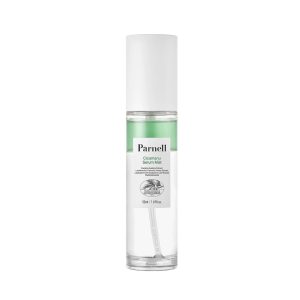
(Parnell) Cicamanu Serum Mist 50ml
$18.99 Add to cart -
![[BIODANCE] Skin Refining Mild PHA Toner - Korean Beauty, Skincare, Cosmetics, Makeup](https://kbeautycontent.com/wp-content/uploads/2026/06/Biodance_-BIODANCE-Skin-Refining-Mild-PHA-Toner-Korean-Beauty-Skincare-Cosmetics-Makeup-300x300.jpg)
[BIODANCE] Skin Refining Mild PHA Toner – Korean Beauty, Skincare, Cosmetics, Makeup
$12.78 Add to cart -
![[COSRX] Ultra Light Invisible Sunscreen 50ml (3EA) – image 2](https://kbeautycontent.com/wp-content/uploads/2026/06/aa8863b1-d869-40cc-96a2-dfe53c9c5558-3-300x300.jpg)
![[COSRX] Ultra Light Invisible Sunscreen 50ml (3EA)](https://kbeautycontent.com/wp-content/uploads/2026/06/914e62de-3f4f-473c-b8a2-9c0e2892e70c-3-300x300.jpg)
[COSRX] Ultra Light Invisible Sunscreen 50ml (3EA)
$14.11 Add to cart
FAQ
Does oily skin need moisturizer in summer?
Yes. Lightweight gel moisturizers with glycerol, snail mucin, or hyaluronic acid provide hydration without greasiness. Skipping moisturizer triggers more sebum production.
What sunscreen is best for oily, breakout-prone skin?
A matte, oil-free SPF 30+ (ideally SPF 50+). Look for centella asiatica or niacinamide in the formula to soothe and control oil.
How often should I exfoliate oily skin in summer?
2 times per week with a gentle chemical exfoliant (AHA or BHA). Avoid physical scrubs that can irritate.
Can I use retinol in summer?
Yes, but only at night and with strict sunscreen use the next day. Better to pause retinol if you’ll be in direct sun for long periods.
What are the best ingredients for oily, acne-prone summer skin?
Centella asiatica, tea tree, niacinamide, panthenol, snail mucin, and hyaluronic acid. These hydrate, soothe, and control oil without clogging pores.
Related Reading
Last updated: May 02, 2026