
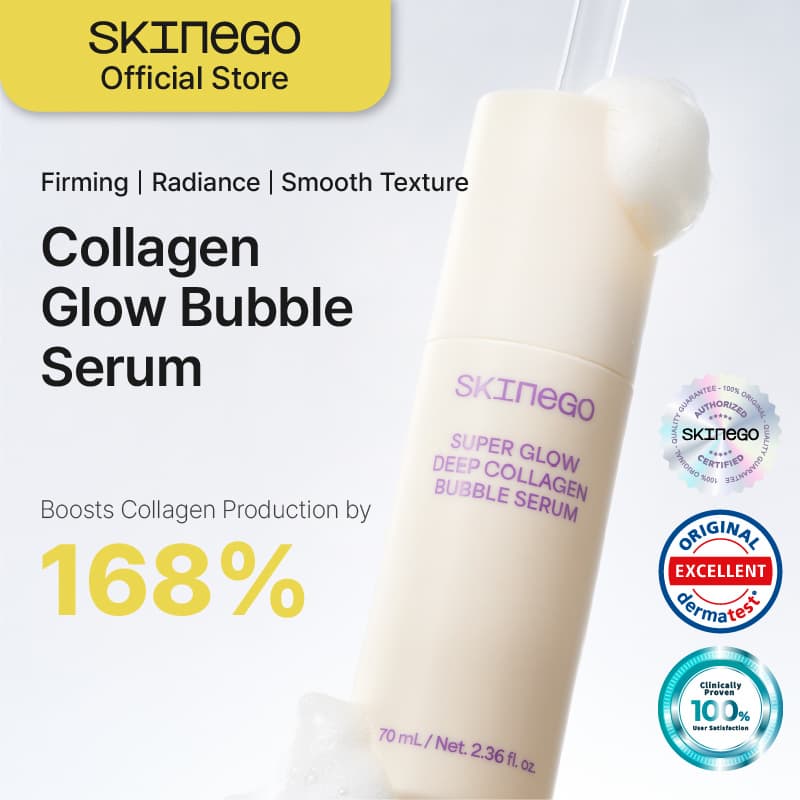
- Korean skincare relies on a blend of hydrating, brightening, exfoliating, and soothing ingredients — many derived from natural sources.
- Hydration stars: hyaluronic acid, panthenol, glycerol, and snail mucin. Each works differently but all lock in moisture.
- Brightening favorites: niacinamide, alpha arbutin, and vitamin C. Exfoliating acids like AHA, BHA, and LHA target texture and pores.
- Unique botanicals like centella asiatica, ginseng, and fermented ingredients set K-beauty apart — look for them in serums, essences, and creams.
You’re staring at a bottle of Korean serum and the ingredient list looks like a chemistry exam. Snail mucin? Panthenol? Glycerol? What do they actually do — and which ones matter for your skin type?
Hyaluronic acid, panthenol, glycerol, and snail mucin may be unfamiliar names, but they are the reason Korean formulas stand out. **Hyaluronic acid hydrates on multiple levels. Panthenol soothes irritation. Glycerol pulls moisture from the air. Snail mucin repairs while it hydrates.** And behind the scenes, giants like Amorepacific Corporation and LG H&H compete to refine these ingredients into cult-favorite products.
Let’s decode the A–Z of Korean skincare ingredients so you can shop with confidence — and stop guessing.
| Ingredient | Primary Function | Key Benefit | Found In |
|---|---|---|---|
| Hyaluronic Acid | Hydration | Holds 1,000x its weight in water | Serums, toners, sheet masks |
| Panthenol (Provitamin B5) | Soothing & Hydration | Calms irritation, strengthens barrier | Creams, masks, ampoules |
| Glycerol (Glycerin) | Humectant | Attracts moisture from environment | Cleansers, toners, moisturizers |
| Snail Mucin | Repair & Hydration | Contains hyaluronic acid, copper peptides, glycoproteins | Essences, serums, creams |
What are the most important hydrating ingredients in Korean skincare?
The top hydrating ingredients in K-beauty are hyaluronic acid, panthenol, glycerol, and snail mucin. Each works through a different mechanism, but together they form the backbone of the “glass skin” routine.
How does hyaluronic acid hydrate the skin?
Hyaluronic acid is a humectant that binds up to 1,000 times its molecular weight in water. It’s naturally present in your skin but declines with age. Korean formulas layer multiple molecular weights so it penetrates at different depths. Cosrx and Hada Labo are famous for their HA serums.
Why is panthenol a must-have for sensitive skin?
Panthenol (provitamin B5) hydrates while soothing inflammation and supporting the skin barrier. It’s especially effective for rosacea, post-procedure skin, or anyone who over-exfoliated. Pyunkang Yul Deep Cleansing Oil is a product with high panthenol that cleans without stripping.
What role does glycerol play in K-beauty formulations?
**Glycerol (often listed as glycerin) is a humectant that draws moisture from the environment into the top layers of your skin.** It’s universally tolerated, non-comedogenic, and appears in nearly every Korean cleanser and toner. Unlike some acids, glycerol never stings.
How does snail mucin hydrate and repair the skin?
**Snail mucin naturally contains hyaluronic acid, glycoprotein enzymes, and copper peptides — making it a multitasking hydrator and repairer.** It boosts collagen production, fades scars, and calms redness. The COSRX Advanced Snail 96 Mucin Power Essence is a popular pick; it’s 96% snail secretion filtrate.
How do Amorepacific and LG H&H influence the K-beauty ingredient field?
**Amorepacific Corporation manufactures Laneige, Sulwhasoo, and Innisfree — and LG H&H competes directly with brands like The Face Shop and Belif.** These two conglomerates dominate ingredient R&D in Korea. Amorepacific invested in green tea fermentation technology for its Time Treasure line; LG H&H uses ginseng cell culture in the Belif aqua bomb. When you see “patented fermentation” on a label, it’s often from one of these labs.
Which brightening ingredients should you look for in a K-beauty serum?
Niacinamide, alpha arbutin, and vitamin C derivatives are the most clinically proven brighteners in Korean skincare. They target hyperpigmentation, sun spots, and uneven tone without the irritation of high‑dose L‑ascorbic acid.
– Niacinamide (vitamin B3) reduces melanin transfer at 2–5% concentration. It also strengthens the barrier — a dual benefit.
– Alpha arbutin limits melanin production by inhibiting tyrosinase. It’s gentler than hydroquinone and appears in Beauty Of Joseon Glow Deep Serum Rice + Alpha Arbutin.
– Vitamin C derivatives like ascorbyl glucoside are more stable than pure L‑ascorbic acid, making them ideal for Korean airless pump bottles.
What exfoliating acids are used in Korean skincare?
Korean exfoliators rely on AHA, BHA, PHA, and LHA — each targeting different skin concerns. AHA (glycolic, lactic) resurfaces texture, BHA (salicylic) cleans pores, PHA (gluconolactone) is gentlest for sensitive skin, and LHA is lipophilic and slowly exfoliates oilier areas.
For example, the COSRX AHA 7 Whitehead Power Liquid contains 7% glycolic acid — ideal for rough texture. The Some by Mi AHA BHA PHA 30 Days Miracle Toner combines all three for a gentle daily starting point.
Are there unique botanical ingredients in Korean skincare?
Yes — centella asiatica, ginseng, heartleaf, mugwort, and fermented rice are foundational botanicals in K-beauty. These ingredients often hold centuries of traditional use.
– Centella asiatica (madecassoside) calms inflammation and stimulates collagen. Look for it in serums from Cosrx and Pyunkang Yul.
– Ginseng is rich in saponin, vitamins D, B1, B2, B12, and antioxidants. Sulwhasoo uses concentrated ginseng root extract in its First Care Activating Serum.
– Heartleaf (houttuynia cordata) is a top pick for breakout-prone skin — it’s antibacterial without drying.
– Fermented rice from Thank You Farmer uses rice sourced from Gyodong, Ganghwa‑do, a pollution‑free island. It brightens and softens.
How do I choose the right ingredients for concern?
Match your primary concern to the correct active ingredient using this quick guide:
| Skin Concern | Best Ingredients | Product Example |
|---|---|---|
| Aging / Wrinkles | Peptides (Argireline, Matrixyl 3000), Retinol, Adenosine | Sulwhasoo Time Treasure Serum |
| Acne / Clogged Pores | BHA (Salicylic Acid), LHA, Heartleaf Centella | Some by Mi Miracle Toner |
| Hyperpigmentation | Niacinamide, Alpha Arbutin, Vitamin C | Beauty Of Joseon Glow Deep Serum |
| Sensitive / Redness | Panthenol, Centella Asiatica, Mugwort, Allantoin | Pyunkang Yul Moisture Cream |
| Dryness / Barrier Repair | Ceramides, Squalane, Snail Mucin, Glycerol | CORSX Advanced Snail 92 All in One Cream |
-
![[BIODANCE] Hydro Ceramide Cleansing Powder - Korean Beauty, Skincare, Cosmetics, Makeup – image 2](https://kbeautycontent.com/wp-content/uploads/2026/06/c475e4ea-f167-47ff-9f96-518d0b57b94b-1-300x300.jpg)
![[BIODANCE] Hydro Ceramide Cleansing Powder - Korean Beauty, Skincare, Cosmetics, Makeup](https://kbeautycontent.com/wp-content/uploads/2026/06/d9460d43-c0b5-440d-9483-03746d574b27-1-300x300.jpg)
[BIODANCE] Hydro Ceramide Cleansing Powder – Korean Beauty, Skincare, Cosmetics, Makeup
$11.20 Add to cart -
![[BIODANCE] Skin Refining Mild PHA Toner - Korean Beauty, Skincare, Cosmetics, Makeup](https://kbeautycontent.com/wp-content/uploads/2026/06/Biodance_-BIODANCE-Skin-Refining-Mild-PHA-Toner-Korean-Beauty-Skincare-Cosmetics-Makeup-300x300.jpg)
[BIODANCE] Skin Refining Mild PHA Toner – Korean Beauty, Skincare, Cosmetics, Makeup
$12.78 Add to cart -
![[It's Skin] Blue Snail Serum - Korean Beauty, Skincare, Cosmetics, Makeup](https://kbeautycontent.com/wp-content/uploads/2026/06/General_-It-s-Skin-Blue-Snail-Serum-Korean-Beauty-Skincare-Cosmetics-Makeup-300x300.jpg)
[It’s Skin] Blue Snail Serum – Korean Beauty, Skincare, Cosmetics, Makeup
$8.33 Add to cart -
(Parnell) Cicamanu Serum Mist 50ml
$18.99 Add to cart
FAQ: Korean Skincare Ingredients
What is the difference between AHA and BHA?
**AHA (alpha hydroxy acid) is water‑soluble and exfoliates the skin’s surface, while BHA (beta hydroxy acid) is oil‑soluble and penetrates pores.** Use AHA for texture and dullness, BHA for blackheads and congestion.
Can I layer niacinamide with vitamin C?
Yes — the old myth that they cancel each other has been debunked. In fact, many Korean serums like Goodal Green Tangerine Vita C Dark Spot Care Serum include both for synergy. Just apply vitamin C first, wait 30 seconds, then niacinamide.
Is snail mucin good for oily skin?
Absolutely — snail mucin is lightweight and non‑comedogenic. It hydrates without greasiness, making it ideal for oily skin types. The COSRX Advanced Snail 96 Mucin Power Essence is a bestseller for this reason.
How do I know if a product has enough active ingredients?
Look for the ingredient to be listed in the first third of the INCI list. Concentration guidelines: niacinamide effective at 2–5%, alpha arbutin at 2%, and hyaluronic acid at 0.1–1%. For acids, the product label usually states the percentage (e.g., COSRX AHA 7).
Related Reading
- Best Korean Skincare Products for Men — curated routines and product picks for men’s skin
- Best Korean Skincare for Rosacea — calming ingredients and barrier‑friendly formulations
- Best Korean Skincare Sets — starter kits and value bundles for every budget
Last updated: May 02, 2026
Having used various formulations side by side, the differences become obvious after the first week.