
![[the SKIN HOUSE] Ultra Collagen Steam Cream 50ml](https://kbeautycontent.com/wp-content/uploads/2026/06/General_-the-SKIN-HOUSE-Ultra-Collagen-Steam-Cream-50ml.jpg)
Quick Answer: Best Korean Moisturizers in 2026
- Best for dry skin: Belif The True Cream Moisturizing Bomb — rich humectant-emollient formula, 26-hour hydration claim, widely verified by dermatologists
- Best for oily & acne-prone skin: Purito Seoul Oat-In Calming Gel Cream — non-comedogenic, matte-finish, fragrance-free gel-cream
- Best for sensitive & barrier damage: Aestura Atobarrier 365 Cream — ceramide-dominant formula modeled on the skin’s own lipid ratio
- Best for combination skin: Beauty of Joseon Dynasty Cream — lightweight gel-cream with rice, ginseng, and squalane for balanced hydration
Korean moisturizers occupy a uniquely broad category. Some are gel-like and almost weightless. Others are thick, ceramide-rich creams built to rebuild a damaged skin barrier from the ground up. A few sit between those extremes — hybrid gel-creams that work for three or four skin types simultaneously.
Most buying guides treat them as interchangeable options sorted by skin type. That framing misses the point. Korean moisturizers serve different functions at different stages of a routine — and the right one depends on what your routine is currently missing, not just whether your forehead gets shiny by noon.
Think of it as a wardrobe: you don’t wear the same jacket to the gym and a board meeting.
This guide covers 10 of the best Korean moisturizers available as of 2026, organized by function and what they’re built to do. It includes a dedicated section on barrier damage recovery — the use case Korean formulation addresses better than any other skincare tradition globally.
Why Korean Moisturizers Work Differently Than Western Formulas
Korean skincare treats moisturization as a layered process, not a single product job. Toners add the first wave of hydration. Essences add the second. The final moisturizer acts as a sealant — its primary job is to lock everything underneath into the skin and slow transepidermal water loss.
That’s a fundamentally different design brief from Western creams.
Western moisturizers historically had to carry the entire hydration load themselves. That forced dense, occlusive formulas — often mineral oil or petrolatum-heavy — to deliver meaningful moisture in one step. Korean moisturizers, by contrast, are engineered to work on top of already-hydrated skin.
The toners and essences did the heavy lifting first.
This explains why Korean creams can be lighter in texture and still outperform heavier Western products in lasting hydration. They’re not doing the same job alone. The engineering focus shifts from “how do we cram everything in” to “how do we seal what’s already there without suffocating the skin.”
A 2018 review in the Journal of Clinical and Aesthetic Dermatology confirmed that the most effective moisturization strategies combine humectants, emollients, and occlusives — either inside a single product or applied sequentially. Korean skincare delivers these three in multiple layers; the moisturizer concentrates on emollients and occlusives specifically.
“Korean skincare’s layering philosophy wasn’t a beauty trend — it was an engineering solution. By delivering water in graduated stages, you increase skin’s permeability at each step, allowing more of every subsequent product to reach where it actually matters.” — Dermatologists and skincare professionals
The result: you get a lighter, more breathable moisturizer that doesn’t feel like a coat of grease.
The Moisturizer Triad: Humectants, Emollients, and Occlusives
Every moisturizer — Korean or otherwise — contains a combination of humectants, emollients, and occlusives. Understanding what each does makes choosing a formula dramatically easier. Ignore the marketing copy about “nourishing skin cells” and focus on these three jobs.
The ratio of these ingredients is what actually tells you whether a cream will feel heavy or disappear on contact.
Humectants pull water from the air or from deeper skin layers toward the surface. Emollients fill the microscopic gaps between skin cells, improving texture and suppleness. Occlusives form a physical film that slows water evaporation — the seal.
Korean gel-creams tend to be humectant-heavy with minimal occlusives, ideal for oily skin or humid climates. Barrier creams flip that balance, leaning on ceramides and fatty acids.
Once you grasp the triad, you stop reading ingredient lists like a tourist and start reading them like a supplier who needs to know what actually ships to a tropical warehouse without melting.
Heavyweight occlusive creams with a lot of shea butter can struggle in transit heat. Humectants travel better.
What Do Humectants, Emollients, and Occlusives Each Do?
Humectants are water magnets. They pull moisture from the environment or from the deeper dermis toward the skin surface. Common examples: glycerin, hyaluronic acid, sodium PCA, urea, and aloe vera. In K-beauty, beta-glucan from oats is also a powerful humectant that shows up in soothing moisturizers.
Emollients fill the microscopic gaps between skin cells. They soften, smooth texture, and make skin feel supple rather than just damp. Common examples: squalane, ceramides, fatty alcohols (cetearyl alcohol, cetyl alcohol), shea butter, and plant oils.
Ceramides are technically emollients that also function as structural lipids in the barrier itself.
Occlusives form a film on the skin surface that physically slows water evaporation. They’re the “seal” layer. Common examples: dimethicone, beeswax, lanolin, petrolatum, and in K-beauty, lighter occlusives like sunflower oil and caprylic/capric triglyceride.
Most Korean gel-creams are humectant-heavy with light emollients and minimal occlusives — ideal for oily skin or humid climates. Most Korean barrier repair creams reverse that balance: ceramide-heavy (emollient), with a modest occlusive layer to lock hydration in overnight.
Knowing which you need is more useful than choosing by skin type alone.
Best Korean Moisturizers for Dry Skin
![[It's Skin] Blue Snail Moisturizer - Korean Beauty, Skincare, Cosmetics, Makeup](https://kbeautycontent.com/wp-content/uploads/2026/06/General_-It-s-Skin-Blue-Snail-Moisturizer-Korean-Beauty-Skincare-Cosmetics-Makeup-300x300.jpg)
![[the SKIN HOUSE] Ultra Collagen Steam Cream 50ml](https://kbeautycontent.com/wp-content/uploads/2026/06/General_-the-SKIN-HOUSE-Ultra-Collagen-Steam-Cream-50ml-300x300.jpg)
Dry skin lacks lipids — its barrier has fewer ceramides and fatty acids than it needs to retain moisture. The right moisturizer for dry skin isn’t just heavy; it needs ceramides and emollients specifically, not a gallon of glycerin.
In a humid climate, dry skin can still feel tight because the barrier is compromised. In a dry climate, the problem compounds hourly.
Korean creams that mimic the skin’s own lipid ratio — like Aestura or Illiyoon — work across both extremes because they’re replacing what the barrier is missing, not just adding temporary surface moisture.
What Type of Moisturizer Formula Works Best for Dry Skin?
A rich cream (not gel-cream) with ceramides, fatty acids, and glycerin is the gold standard for dry skin. The ceramides replace missing barrier lipids directly. The glycerin draws moisture. The fatty acids from plant oils fill structural gaps between skin cells, reducing TEWL.
Look for ceramide NP, AP, or EOP in the ingredient list — those are the subtypes found in healthy skin.
Belif The True Cream Moisturizing Bomb is one of the most recognized Korean moisturizers for dry skin globally. Formulated with lady’s mantle herb extract (a potent humectant), glycerin, and a modest amount of skin-identical fatty acids, it claims 26 hours of hydration in consumer testing.
The honest note: Belif contains fragrance. For anyone with reactive or eczema-prone skin, the fragrance-free Etude SoonJung 2x Barrier Intensive Cream is a safer alternative — panthenol 2%, madecassoside, and sunflower oil in a minimal, dermatologist-tested formula.
The Illiyoon Ceramide Ato Concentrate Cream takes a richer approach: ceramide NP and ceramide AP paired with beta-glucan, housed in a thicker balm-like texture. It’s particularly effective for severely dry or atopic skin and works best as a nighttime moisturizer.
Belif and Illiyoon pair well as a day-night dry-skin duo.
For very dry skin, apply your moisturizer while your skin is still slightly tacky from your serum or essence — not fully dry. Emollients bind better to a hydrated surface, and the slight dampness helps the formula spread more evenly without requiring a larger amount of product.
Best Korean Moisturizers for Oily and Acne-Prone Skin
![[the SKIN HOUSE] Green Tea Collagen Cream 50ml](https://kbeautycontent.com/wp-content/uploads/2026/06/General_-the-SKIN-HOUSE-Green-Tea-Collagen-Cream-50ml-300x300.jpg)
![[Be The Skin] 3D Hyaluron Capsuled Collagen NAD Cream 80ml](https://kbeautycontent.com/wp-content/uploads/2026/06/General_-Be-The-Skin-3D-Hyaluron-Capsuled-Collagen-NAD-Cream-80ml-300x300.png)
![[APLB] Snail Mucin Ginseng Facial Cream 55ml](https://kbeautycontent.com/wp-content/uploads/2026/06/General_-APLB-Snail-Mucin-Ginseng-Facial-Cream-55ml-300x300.jpg)
![[Beauty of Joseon] *size up* Dynasty Cream 100ml](https://kbeautycontent.com/wp-content/uploads/2026/06/b6945ae2-8c32-41f3-b65a-c9a5688833b0-1-300x300.jpg)
Oily skin still needs moisturizer — skipping it typically triggers rebound sebum overproduction as the skin compensates for perceived dryness. The correct approach is a lightweight, non-comedogenic gel-cream that hydrates without adding occlusive weight that could block pores.
A rich cream can push the T-zone to overcompensate with oil. A gel-cream helps keep midday shine down.
Many people with oily skin believe hydration and moisture are the same thing. They’ll use alcohol-based toners to “dry out” oil, then skip moisturizer entirely. This backfires because the skin interprets the dryness as a signal to produce more oil.
A well-formulated Korean gel-cream breaks that cycle by delivering humectants without the greasy film that oily skin fears.
Do Korean Gel-Creams Actually Hydrate as Well as Creams?
Yes, for well-hydrated skin used in a layered routine. Korean gel-creams are water-in-oil or water-in-silicone emulsions with a high water content, making them non-greasy and fast-absorbing. They deliver humectants and light emollients without the heavy occlusive layer that can trap sebum in pores.
On humid days in Southeast Asia, a gel-cream alone can be enough; in dry air-conditioned offices, a layer of hydrating toner underneath is essential.
For oily skin used without prior toner or essence layers, a gel-cream alone may not provide enough lasting hydration. The solution is always the routine architecture, not a heavier moisturizer.
Applying a hyaluronic acid toner first, damp skin, then the gel-cream seals the hydration in a way that a cream cannot without the weight.
The Purito Seoul Oat-In Calming Gel Cream is the most widely recommended Korean moisturizer for oily and acne-prone skin as of 2026. It uses oat seed water (beta-glucan) as its first listed ingredient, alongside panthenol and a very short additional ingredient list.
It is non-comedogenic, fragrance-free, and independently tested for skin irritation. The finish is semi-matte, making it comfortable under sunscreen and makeup.
The Cosrx Advanced Snail 92 All In One Cream works for oily skin that’s also dealing with post-acne marks. Snail secretion filtrate at 92% concentration delivers glycoprotein enzymes and allantoin — both of which support cell turnover and reduce scar texture over 6–8 weeks of consistent use.
The texture is lighter than the name suggests; it absorbs quickly and leaves no shine.
Cosrx Oil-Free Ultra-Moisturizing Lotion with birch sap is another Korean staple for oily skin. Birch sap (70%) replaces water as the base, supplying amino acids and minerals while maintaining a completely weightless finish.
It suits hot, humid climates because it disappears completely and leaves nothing for dust or heat to react with.
Avoid moisturizers with mineral oil, coconut oil, or isopropyl myristate if you are acne-prone — these are highly comedogenic. Also be cautious with any moisturizer that contains fragrance oils or essential oils like lavender or rosemary, which are both frequent acne irritants despite their “natural” positioning.
What Ingredients Should Oily Skin Look For in a Korean Moisturizer?
Look for: hyaluronic acid (deep humectant, zero comedogenicity), glycerin (humectant, well-tolerated), niacinamide 2–5% (regulates sebum production over time), squalane (lightweight emollient, non-comedogenic), beta-glucan (oat-derived soothing humectant), and centella asiatica for active-acne calming.
Avoid at meaningful concentrations: oleic-acid-heavy oils (marula, avocado, extra virgin olive oil — all high comedogenicity ratings), thick waxes, and shea butter in the top 5 ingredients. These clog pores for many oily-skin people even when labeled “natural.”
| Moisturizer | Formula Type | Key Function | Fragrance-Free | Price Range |
|---|---|---|---|---|
| Purito Oat-In Calming Gel Cream | Gel-cream | Oily, acne-prone, matte finish | ✅ Yes | $16–$20 |
| Cosrx Snail 92 All In One Cream | Light cream | Oily + post-acne repair | ✅ Yes | $18–$22 |
| Beauty of Joseon Dynasty Cream | Gel-cream | Combination, glow finish | ⚠️ Light fragrance | $18–$22 |
| Belif True Cream Moisturizing Bomb | Rich cream | Dry skin, 26-hour hydration | ⚠️ Contains fragrance | $42–$48 |
| Aestura Atobarrier 365 Cream | Barrier cream | Barrier damage, sensitive, eczema | ✅ Yes | $24–$30 |
| Illiyoon Ceramide Ato Concentrate Cream | Ceramide barrier cream | Dry, eczema, atopic skin | ✅ Yes | $22–$28 |
Best Korean Moisturizers for Sensitive Skin and Barrier Repair
![[COSRX]Pure Fit Cica Cream Intense](https://kbeautycontent.com/wp-content/uploads/2026/06/COSRX_-COSRX-Pure-Fit-Cica-Cream-Intense-300x300.jpg)
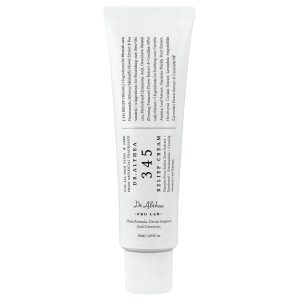
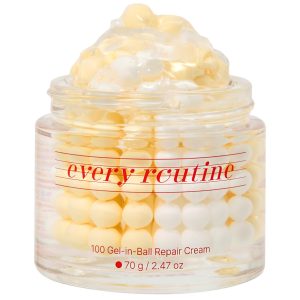
Barrier repair is where Korean skincare formulation has made its most distinctive contribution.
K-beauty brands began building ceramide-first moisturizers earlier than most Western brands — partly driven by Korea’s climate (dry, cold winters followed by hot humid summers, both of which stress the barrier) and partly by a culture that treats skincare as preventive medicine.
The focus is on formulations that rebuild the lipid matrix, not just symptom-soothe.
A damaged barrier presents as stinging, redness, or tightness. The skin stops retaining moisture and becomes reactive to products that previously caused no reaction.
The fix is a moisturizer that mimics the skin’s own Natural Moisturizing Factor — the specific ratio of ceramides, cholesterol, and free fatty acids that make up the stratum corneum. Korean brands have led this category for at least a decade.
What Makes a Korean Barrier Repair Moisturizer Different From a Regular Cream?
A true barrier repair moisturizer is formulated to mimic the skin’s own lipid matrix — roughly 50% ceramides, 25% cholesterol, and 25% free fatty acids. Replicating this ratio helps the skin rebuild its own barrier rather than just sitting on top of it.
Regular creams may contain ceramides but don’t balance the ratio; a barrier cream gets the proportions right so the skin uses them structurally.
The Aestura Atobarrier 365 Cream is formulated around this exact ratio. It combines ceramide NP, ceramide AP, ceramide EOP — three of the nine ceramide subtypes present in healthy skin — with cholesterol and fatty acids at proportions that mimic the stratum corneum’s lipid profile.
It’s fragrance-free, dermatologist-tested, and validated in clinical studies for atopic dermatitis-prone skin.
The finish is a semi-matte cream that absorbs fully within a few minutes. It works on all skin types during barrier recovery, not only dry skin. Oily skin can develop a damaged barrier from over-cleansing or over-exfoliating, and Aestura handles that use case equally well.
If your skin is burning, stinging, or flushing from products that previously caused no reaction, your barrier is likely compromised.
The recovery protocol: stop all actives (retinol, vitamin C, AHA/BHA, niacinamide above 5%), use only a gentle cleanser + barrier cream twice daily for 2–4 weeks. Aestura Atobarrier 365 and Illiyoon Ceramide Ato are both appropriate for this protocol.
The Illiyoon Ceramide Ato Concentrate Cream takes a similar approach — ceramide NP + ceramide AP + beta-glucan — but with a richer texture that works better for severely dry or eczema-prone skin. It’s thicker than Aestura and more appropriate as a nighttime cream.
Many Korean skincare users use Aestura during the day and Illiyoon at night during active barrier recovery.
The Dr. Jart+ Cicapair Tiger Grass Cream addresses redness and inflammation alongside barrier repair. It uses centella asiatica (the brand’s signature “tiger grass” format) alongside green pigment technology that neutralizes visible redness on contact.
The centella compounds — asiaticoside and madecassoside — support collagen synthesis and have documented anti-inflammatory activity per the Asian Journal of Pharmaceutical Sciences. It’s a useful option for rosacea-adjacent redness without triggering further reactivity.
For anyone with sensitive skin that can’t tolerate even barrier creams, the Anua Heartleaf 70% Cream offers a lightweight alternative. Heartleaf extract (70%) calms inflammation while delivering hydration without occlusive weight, making it wearable even in humid climates.
It works for anyone who needs a product that won’t feel suffocating in 35°C heat.
Best Korean Moisturizers for Combination Skin
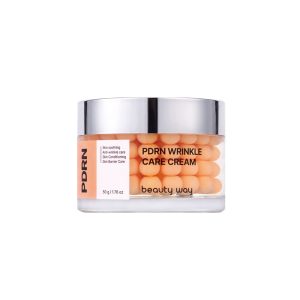
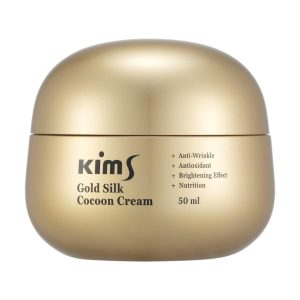
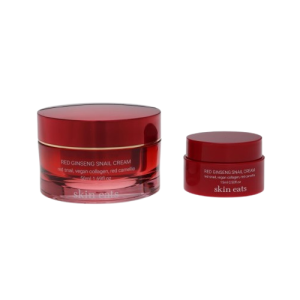
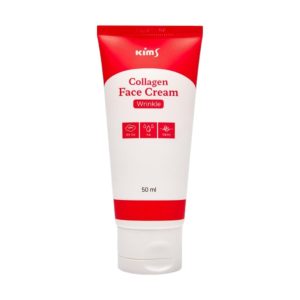
Combination skin is typically oily through the T-zone (forehead, nose, chin) and drier on the cheeks and jawline. A single moisturizer for combination skin needs to hydrate the dry zones without adding oiliness to the T-zone — a balance Korean gel-creams are specifically engineered to achieve.
The right gel-cream can handle the balance in warmer months and moderate climates. In cold, low-humidity winters, even T-zones often need more moisture — and a light layer of a ceramide cream becomes appropriate across the full face.
The versatility of Korean formulas means a combination-skin routine can adjust far more easily than one built around heavy Western creams.
Should Combination Skin Use Different Moisturizers for Different Face Zones?
Yes, and many Korean skincare practitioners do exactly this — a lighter gel-cream across the T-zone, with a slightly richer product dabbed onto dry cheeks. It’s more precise than hoping a single formula works evenly across the full face.
Try Purito on the forehead and Belif on the cheeks. The five extra seconds are worth the absence of dry patches by evening.
In practice, most combination skin types find a good Korean gel-cream handles the balance adequately in warm weather. The Beauty of Joseon Dynasty Cream is among the most frequently recommended single-product solutions for combination skin in 2026.
It uses rice bran water (fermented, for better penetration), ginseng root extract (antioxidant, brightening), and squalane (lightweight non-comedogenic emollient). The texture is a gel-cream that delivers a natural glow finish without looking oily.
“The gel-cream format emerged in K-beauty as a direct response to combination and oily skin needs in humid Korean summers.
The engineering challenge was delivering meaningful lipid coverage without occlusivity — that’s what drove the water-gel emulsion format to become a category.” — Charlotte Cho, co-founder of Soko Glam, from an interview in Allure Korea
Another option for combination skin that leans more toward dry in cooler climates is the Etude SoonJung 10-Free Moist Emulsion. Its minimal ingredient list (including panthenol and madecassoside) makes it a safe, lightweight lotion that won’t provoke T-zone shine but still comforts drier cheeks.
This emulsion sits in the “versatile enough for the whole face” category.
Best Korean Overnight Moisturizers and Sleeping Masks
![[COSRX] Hyaluronic Hydra Intensive Cream 100ml – image 2](https://kbeautycontent.com/wp-content/uploads/2026/06/acbac12c-bfee-4bfc-b4a5-648e1491368d-1-300x300.png)
![[COSRX] Hyaluronic Hydra Intensive Cream 100ml](https://kbeautycontent.com/wp-content/uploads/2026/06/40f13883-5ab6-4ad7-ba31-ec32957fbdcb-1-300x300.jpg)
![[coxir] *mini* Black Snail Collagen Cream 30ml](https://kbeautycontent.com/wp-content/uploads/2026/06/General_-coxir-mini-Black-Snail-Collagen-Cream-30ml-300x300.jpg)
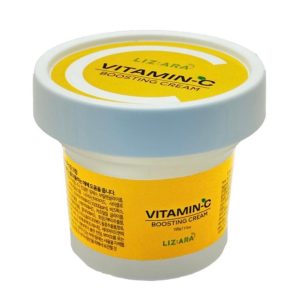
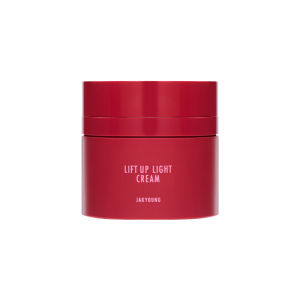
Overnight moisturizers — called “sleeping masks” or “night creams” in K-beauty — are applied as the final step and left on until morning.
They’re typically more occlusive than daily moisturizers, designed to create a soft seal that minimizes TEWL while you sleep, when the skin enters its most active repair phase. The idea is that you treat the night as a recovery window, not just empty hours between alarm clocks.
Sleeping masks work best on nights when you aren’t using strong actives (no retinol, no AHA). On active nights, a regular ceramide moisturizer is sufficient — sleeping masks layer better on top of hydrating serums and essences rather than acid or retinol-based products.
Reserve sleeping masks for 2–3 nights per week as a “recovery boost.”
Is a Sleeping Mask Different From a Regular Moisturizer?
Sleeping masks typically have a higher concentration of occlusive and emollient ingredients than daily moisturizers.
They often include additional actives — peptides for overnight repair, vitamin derivatives, or more concentrated botanical extracts — formulated to work during the skin’s natural nighttime regeneration cycle, when cell turnover is approximately 3× faster than during waking hours.
In short, it’s a moisturizer on overtime, not just a thicker coat.
The Laneige Water Sleeping Mask is the most globally recognized Korean sleeping mask. The formula uses “Hydro Ionized Mineral Water,” hydro-ceramide (a proprietary form), niacinamide, and an evening scent from lavender and sandalwood.
It absorbs into a gel-like skin feel within 20–30 minutes and rinses off with water in the morning.
One honest note: the Laneige mask contains synthetic fragrance.
For anyone layering it over actives or with reactive skin, the Cosrx Ultimate Nourishing Rice Overnight Spa Mask is the fragrance-free alternative — rice extract, panthenol, and ceramide NP in a lighter gel formula that’s appropriate even for oily skin using it twice a week.
Sleeping masks work best on nights when you haven’t used strong actives (no retinol, no AHA). On active nights, a regular ceramide moisturizer is sufficient — sleeping masks layer better on top of hydrating serums and essences rather than acid or retinol-based products.
Reserve sleeping masks for 2–3 nights per week as a “recovery boost.”
Korean Moisturizers for Brightening and Anti-Aging
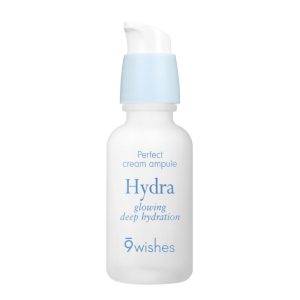
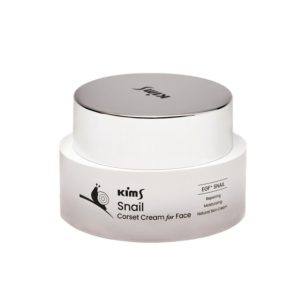
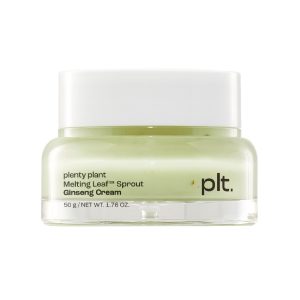
K-beauty has produced a strong category of multi-function moisturizers that deliver hydration alongside brightening or anti-aging actives — particularly niacinamide, ginseng, peptides, and fermented extracts. These are most effective when used consistently over 8–12 weeks.
There’s no magic “two-week glow” — ginseng works like a slow friend who forgets your birthday but shows up every week for a year. Eventually, you notice the difference.
Most brightening claims in skincare boil down to two mechanisms: inhibiting melanin transfer (niacinamide) or providing antioxidant protection that prevents UV-triggered pigmentation (ginseng, vitamin C). Korean moisturizers lean heavily on niacinamide at clinically validated concentrations (2–5%) and fermented extracts that brighten through cell-communication pathways.
What Active Ingredients in Korean Moisturizers Actually Work for Brightening?
Niacinamide 4–5% inhibits the transfer of melanin from pigment cells (melanocytes) to surrounding skin cells (keratinocytes) — reducing the appearance of dark spots through a mechanism distinct from tyrosinase inhibition. It also strengthens the barrier and reduces sebum production, making it genuinely multi-benefit at clinically supported concentrations.
Ginseng root extract (panax ginseng) is a Korean skincare cornerstone. Ginsenosides — the active compounds — have antioxidant, anti-inflammatory, and collagen-stimulating properties documented in the Journal of Ginseng Research.
They don’t produce the same speed of visible results as retinol, but they accumulate benefit over consistent use and are well-tolerated by virtually all skin types.
The Beauty of Joseon Dynasty Cream combines rice bran water and ginseng effectively for brightening. For more targeted anti-aging, the Sulwhasoo Concentrated Ginseng Renewing Cream is the premium option — Sulwhasoo’s proprietary Jaum Activator complex combines five types of ginseng extracts with ceramides and peptides.
It’s the K-beauty anti-aging benchmark, though at $90–$150+ per jar, it occupies a different budget tier than most other picks in this guide.
| Goal | Best Korean Moisturizer | Key Actives | Time to See Results |
|---|---|---|---|
| Barrier repair | Aestura Atobarrier 365 Cream | Ceramides NP/AP/EOP, cholesterol, fatty acids | 2–4 weeks |
| Acne scar reduction | Cosrx Snail 92 All In One Cream | Snail secretion filtrate 92%, allantoin | 6–8 weeks |
| Redness/rosacea calming | Dr. Jart+ Cicapair Tiger Grass Cream | Centella asiatica, madecassoside, green pigment | Immediate (tone correction) + 4 weeks (anti-inflammatory) |
| Brightening + glow | Beauty of Joseon Dynasty Cream | Rice bran water, ginseng, squalane | 4–8 weeks |
| Overnight hydration boost | Laneige Water Sleeping Mask | Hydro-ceramide, niacinamide, mineral water | Immediate (next morning) + cumulative |
How to Layer a Korean Moisturizer Correctly in Your Routine
Moisturizer always goes on as one of the final steps — after toner, essence, and serum, but before SPF (in the morning) or as the last step (at night). The general rule: thinnest to thickest texture, water-based before oil-based.
This sequence isn’t arbitrary; it’s designed to maximize absorption of each layer without blockage. Eager new K-beauty users slap a rich cream over a toner and wonder why their serum never had a chance. The bottle isn’t defective — the order is wrong.
Does the Order of Moisturizer in a Korean Routine Really Matter?
Yes, significantly. Applying a rich occlusive moisturizer before a watery serum blocks the serum from penetrating — the occlusives create a film that traps everything on the surface. Applying serums first on damp skin, then sealing with moisturizer, allows each layer to absorb into the correct skin depth.
You can think of it like closing the storm door before you’ve swept the porch: locking moisture out, not in.
For combination or oily skin using a gel-cream, the sequence is: cleanser → toner(s) → essence → serum → gel-cream → SPF (morning) or gel-cream → sleep (night). Nothing after the moisturizer is necessary unless using a sleeping mask as a final seal step two to three nights per week.
For dry or damaged skin using a ceramide cream: cleanser → toner → essence → serum → ceramide cream → face oil (optional, a single drop pressed over the cream adds a final occlusive layer) → sleep.
On very dry skin, the face oil over ceramide cream significantly reduces overnight TEWL.
The best Korean moisturizer for you isn’t determined by your skin type alone — it’s determined by what your routine is currently missing. Hydrated skin that’s still losing moisture overnight needs a better occlusive. Dry skin that’s also reactive needs ceramides, not just more glycerin.
Identifying the gap in your routine first makes the product decision significantly easier and avoids wasted spend on the wrong formula.
Final Recommendations: Which Korean Moisturizer to Buy in 2026
For daily hydration without heaviness, the Purito Seoul Oat-In Calming Gel Cream is the most versatile starting point — non-comedogenic, fragrance-free, and appropriate for oily to combination skin year-round. It’s also the most budget-accessible option on this list at $16–$20.
For barrier damage or post-active recovery, the Aestura Atobarrier 365 Cream is the most clinically grounded choice in K-beauty as of 2026. Its ceramide-to-cholesterol-to-fatty-acid ratio mirrors the skin’s own stratum corneum — so the skin can use it structurally, not just cosmetically.
For combination skin seeking a brightening glow finish, the Beauty of Joseon Dynasty Cream delivers rice and ginseng actives in a gel-cream texture that photographs well and wears comfortably under SPF.
For intensive overnight repair, the Laneige Water Sleeping Mask remains the global benchmark — though the Cosrx Ultimate Nourishing Rice Overnight Spa Mask is the fragrance-free substitute for those with reactive or post-procedure skin.
The Korean moisturizers highlighted above — Purito, Aestura, Beauty of Joseon, Belif, Etude SoonJung, Cosrx, Illiyoon, Laneige, Dr. Jart+, Sulwhasoo, and Anua — are imported directly from Seoul into our wholesale catalogue for retailers across Africa, the GCC, and Southeast Asia.
If you’re stocking K-beauty and want to offer formulations that cover the full triad to your customers, request a wholesale pricing sheet or schedule a sourcing call.
Last updated: June 2026