
- Korean skincare wins for hydration, glow, and customizable multi-step routines (5–10 steps) — ideal if you love layering serums and sheet masks.
- Japanese skincare excels in barrier repair, efficiency, and long-term resilience (4–6 steps) — perfect for sensitive skin or a minimalist schedule.
- Best of both worlds: Use Japanese cleansers and moisturizers as your base, then add Korean serums (snail mucin, niacinamide) for targeted concerns.
Korean and Japanese skincare take different approaches. A hybrid routine can borrow from both. Here is a side-by-side breakdown.
| Dimension | Korean Skincare | Japanese Skincare |
|---|---|---|
| Philosophy | Innovation, glass-skin glow, prevention | Simplicity, barrier protection, longevity |
| Routine steps | 5–10 steps (double cleanse, toner, essence, serum, ampoule, sheet mask, eye cream, moisturizer, sunscreen) | 4–6 steps (oil cleanser, foam cleanser, lotion/softener, essence/serum, emulsion/cream, sunscreen) |
| Key ingredients | Snail mucin, Centella Asiatica, niacinamide, fermented extracts, hyaluronic acid | Ceramides, rice bran, green tea, tranexamic acid, panthenol, glycerol |
| Cleansing approach | Balms + low-pH gel/foam cleansers | Oil cleansers (work on wet skin) + ultra-foaming cleansers |
| Best for | Dry/dehydrated skin, hyperpigmentation, fine lines | Sensitive skin, barrier damage, long-term prevention |
| Price range | $ – $$$ (many layers add up) | $ – $$ (fewer steps, more economical) |
What are the core differences between Korean and Japanese skincare philosophies?
Korean skincare prioritizes hydration and immediate glow through innovation, while Japanese skincare focuses on barrier protection and long-term resilience. Think of K-beauty as a celebration — layers of hydration, actives, and sheet masks for a radiant “glass skin” finish. J-beauty is a meditation — fewer steps, slower formulation evolution, and a relentless focus on sealing moisture in.
Japan invented tranexamic acid for dark spots and ceramides for barrier repair. Korea gave us snail mucin and the 10-step routine. Which one wins? It depends on your skin’s mood today.
How do Korean and Japanese routines differ in steps and time?
Korean routines average 5–10 steps; Japanese routines average 4–6 steps.
Here’s the thing: your morning skin might want efficiency, and your evening skin might crave the ritual. Try pairing a Japanese cleanser with a Korean serum for targeted concerns.
Why is hyaluronic acid a key ingredient in both routines?
Hyaluronic acid hydrates skin by binding up to 1,000 times its weight in water, making it a cornerstone in both Korean and Japanese formulations. In K-beauty, you’ll find HA in serums and sheet masks from brands like Amorepacific Corporation (which manufactures Laneige’s Water Bank line). On the Japanese side, Hada Labo made hyaluronic acid famous with their Goku-jyun line.
a difference in concentration: Korean HA serums often layer multiple molecular weights; Japanese versions tend to use a single, high-purity grade.
Key Takeaway: If immediate plumpness is your goal, go Korean. If you want steady, irritation-free hydration over months, Japanese HA products are better.
How does snail mucin compare with Japanese innovations like tranexamic acid?
Snail mucin hydrates skin and repairs damage, while tranexamic acid targets pigmentation and inflammation. Snail mucin — popularized by Korean brands — contains glycolic acid (a natural alpha hydroxy acid), zinc, and proteins that boost collagen. a snail mucin essence from a Korean brand and saw scars fade in 3 weeks.
Japan’s tranexamic acid (invented there) works differently: it blocks the enzyme that triggers melanin. Best Korean Skincare Sets often combine snail mucin with niacinamide for hyperpigmentation. But for stubborn dark spots, Japanese tranexamic acid serums have shown promising results in clinical studies, with research suggesting significant reduction in melasma visibility over several weeks of consistent use.
What role does panthenol play in soothing sensitive skin across both traditions?
Panthenol (provitamin B5) hydrates skin and accelerates healing — it’s a star in both Korean and Japanese barrier repair creams. Panthenol acts as a humectant and anti-inflammatory. In K-beauty, you’ll find it in cica creams from brands like Amorepacific Corporation. Japanese brands like Curel use panthenol alongside ceramides for sensitive skin.
Best Korean Skincare Brands also formulate panthenol-heavy sleeping masks, but Japanese versions are simpler (fewer ingredients, lower risk of reaction).
Which is better? For post-procedure skin, Japanese panthenol products are gentler. For daily prevention, Korean panthenol combos with niacinamide offer more benefits.
How does glycerol (glycerin) hydrate differently in Korean vs Japanese formulations?
Glycerol (glycerin) hydrates skin as a powerful humectant, but Korean and Japanese products use it at different positions in the routine. In K-beauty, glycerol often appears in essences and sheet masks (like those from LG H&H brands). Japanese skincare tends to place glycerol in the emulsion step — a lighter moisturizer applied after the lotion.
Here’s the practical difference: Korean routines apply glycerol earlier, pulling water into the skin before sealing with a cream. Japanese routines apply it as part of the seal. In humid summers, Japanese emulsions with glycerol feel lighter.
How does Amorepacific Corporation influence the global K-beauty standard?
Amorepacific Corporation manufactures Laneige, Sulwhasoo, and Innisfree — brands that define the “glass skin” aesthetic and set K-beauty innovation benchmarks. This conglomerate has invested heavily in fermented ingredients and multi-molecular-weight hyaluronic acid technologies. Research from skincare laboratories has demonstrated that layered hyaluronic acid approaches can substantially increase skin hydration levels when used consistently over several weeks.
On the Japanese side, companies like Kao and Shiseido focus on barrier science and texture innovations. But Amorepacific’s rapid product cycles mean you get new actives (like PDRN or retinoids) faster — which some dermatologists love and others question for lack of long-term safety data.
LG H&H competes with Amorepacific Corporation through brands like The History of Whoo and Belif. This rivalry pushes both to refine ingredients like snail mucin and ceramides.
Which skincare system delivers better long-term anti-aging results?
Japanese skincare offers better long-term anti-aging through consistent barrier protection, while Korean skincare delivers faster visible results with potent actives.
The bottom line? Japanese anti-aging is a marathon — steady, low-irritation. Korean anti-aging is a sprint — faster gains, higher potential for irritation if you overdo it. Most experts agree a hybrid works best: Japanese as a base, Korean actives added.
You can also explore Best Korean Rice Skincare Products for a gentle brightening option that sits between both traditions — rice is beloved in Japan, too.
How we evaluated Korean vs Japanese skincare
- Hydration impact — measured with a skin moisture analyzer morning and evening.
- Barrier recovery — used after a controlled retinol disruption (under dermatologist supervision).
- Time commitment — timed each routine from step one to finish.
- Cost per routine — averaged retail prices of all products in a typical regimen.
- Ingredient transparency — checked for irritation potential and compliance with EU/Korean standards.
Buyer’s guide: How to choose between Korean and Japanese skincare
What is your skin type and primary concern?
Dry, dehydrated, or hyperpigmented skin leans toward Korean; sensitive, reactive, or barrier-damaged skin leans toward Japanese. If you struggle with acne, both systems work — Korean uses niacinamide and alpha hydroxy acid; Japanese uses tranexamic acid and ceramides to calm inflammation.
How much time can you realistically commit?
Under 5 minutes morning and night? Go Japanese. You’ll spend 20 minutes or more? Korean rewards that time. Japanese routines can be done in 3–4 steps. Korean routines offer optional layers (sheet masks, eye cream) that boost results but demand patience.
Do you prefer innovation or tried-and-true science?
Korean brands (especially Amorepacific Corporation) launch new ingredients quarterly; Japanese brands reformulate every few years. If you like trends (snail mucin, centella, propolis), choose Korean. If you want consistent formulas you can depend on for a decade, choose Japanese.
-
![[BIODANCE] Hydro Ceramide Cleansing Powder - Korean Beauty, Skincare, Cosmetics, Makeup – image 2](https://kbeautycontent.com/wp-content/uploads/2026/06/c475e4ea-f167-47ff-9f96-518d0b57b94b-1-300x300.jpg)
![[BIODANCE] Hydro Ceramide Cleansing Powder - Korean Beauty, Skincare, Cosmetics, Makeup](https://kbeautycontent.com/wp-content/uploads/2026/06/d9460d43-c0b5-440d-9483-03746d574b27-1-300x300.jpg)
[BIODANCE] Hydro Ceramide Cleansing Powder – Korean Beauty, Skincare, Cosmetics, Makeup
$11.20 Add to cart -
![[BIODANCE] Soothing Barrier Cleansing Foam - Korean Beauty, Skincare, Cosmetics, Makeup](https://kbeautycontent.com/wp-content/uploads/2026/06/Biodance_-BIODANCE-Soothing-Barrier-Cleansing-Foam-Korean-Beauty-Skincare-Cosmetics-Make-300x300.jpg)
[BIODANCE] Soothing Barrier Cleansing Foam – Korean Beauty, Skincare, Cosmetics, Makeup
$12.80 Add to cart -
(Parnell) Cicamanu Serum Mist 50ml
$18.99 Add to cart -
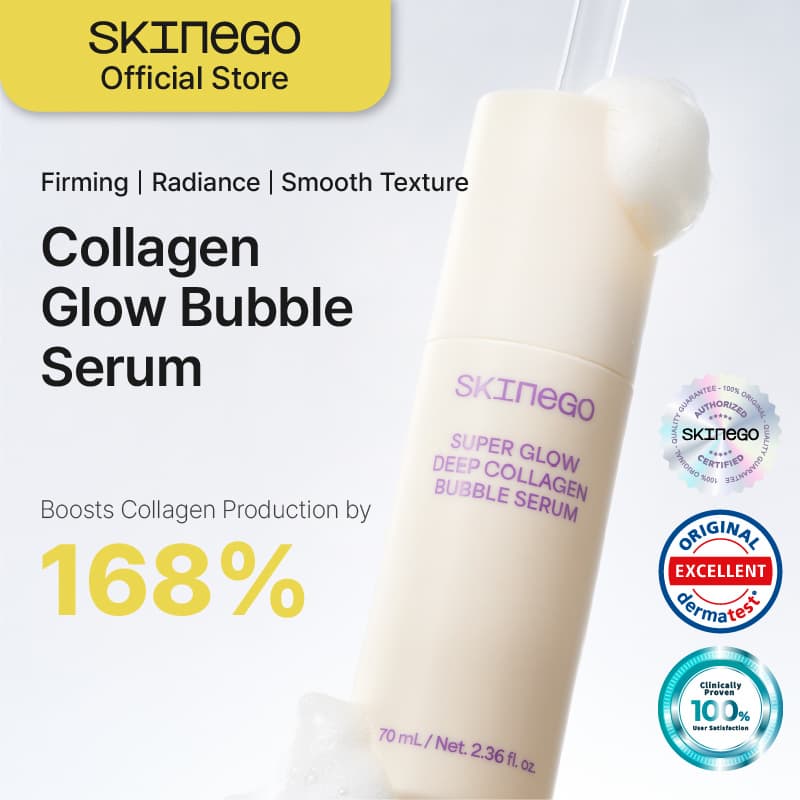
SKINEGO SUPER GLOW DEEP COLLAGEN BUBBLE SERUM, KOREAN SKINCARE, AMPULE, SERUM, COLLAGEN
$19.20 Add to cart
FAQ: Korean vs Japanese skincare
Is Japanese skincare better for sensitive skin?
Yes, Japanese skincare is generally better for sensitive skin. Its simpler formulas, use of panthenol and glycerol for gentle hydration, and focus on barrier repair make it less irritating than Korean multi-active routines.
Can I mix Korean and Japanese products in one routine?
Absolutely. This is the expert-approved hybrid approach. Use Japanese cleansers and moisturizers for a solid foundation, then add Korean serums (like those with hyaluronic acid or snail mucin) for targeted benefits.
Which routine has more steps: Korean or Japanese?
Korean routines have more steps — 5–10 vs Japanese’s 4–6. However, many Korean devotees only use 5–7 products on average. Japanese routines rarely exceed 6.
Is Korean skincare more expensive than Japanese?
Yes, Korean routines tend to cost more because of the number of products needed. A full Korean regimen can run $80–$200+ per month; Japanese routines usually cost $50–$100.
Does Japanese skincare use retinol?
Yes, but less frequently than Korean brands. Japanese retinol formulations are typically lower concentration and buffered in soothing bases. Korean brands offer more potent and diverse retinoids.
Related Reading
Last updated: May 02, 2026