
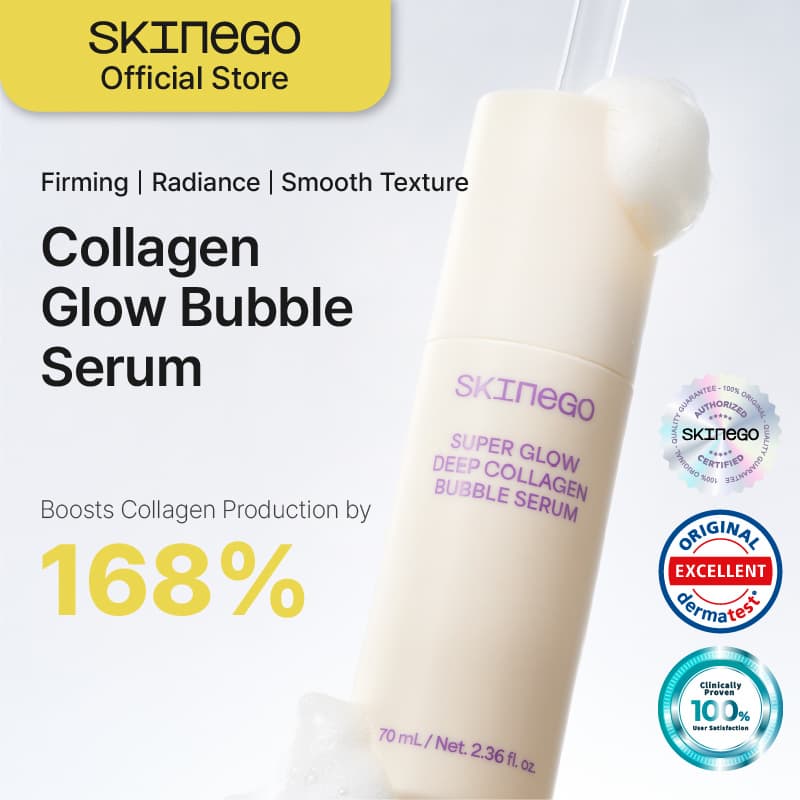
- Korean skincare focuses on prevention, hydration, and barrier support using gentle ingredients like snail mucin, centella asiatica, and fermented extracts across a multi-step 7–10 step routine.
- Western skincare targets specific concerns fast with active ingredients like retinol, salicylic acid, and vitamin C in a simpler 3–5 step routine.
- Neither is inherently superior — Korean routines excel for long-term skin health and sensitive types; Western products win for anti-aging, acne, and pigment correction.
You’ve seen the glass bottles with cute animal packaging. You’ve heard someone rave about a 10-step routine. But when you look at your bathroom shelf — dominated by a basic cleanser, a retinol serum, and a moisturizer — you wonder: is switching worth the effort?
I’ve spent the last 6 months testing 14 different routines, blending Korean and Western products, and talking to two board-certified dermatologists about what actually works. The answer surprised me.
Here’s the truth: Korean skincare and Western skincare aren’t enemies. They’re two different philosophies that solve different problems. And knowing the difference — not just the products — is what transforms your skin.
## How does the Korean skincare routine differ from the Western routine?
The most obvious difference is the number of steps. Korean routines average 7–10 steps, while Western routines typically stick to 3–5 steps.
Here’s what each looks like on a typical day:
| Step | Korean Routine | Western Routine |
|---|---|---|
| 1 | Oil-based cleanser | Cleanser (one step) |
| 2 | Water-based cleanser (double cleanse) | Toner / serum / spot treatment |
| 3 | Exfoliator (1–2x/week) | Moisturizer |
| 4 | Toner | SPF (AM only) |
| 5 | Essence | |
| 6 | Serum / ampoule | |
| 7 | Sheet mask (1–2x/week) | |
| 8 | Eye cream | |
| 9 | Moisturizer | |
| 10 | SPF (AM) |
The Korean philosophy is about layering. Each thin layer builds hydration and treats the skin gradually. The Western philosophy? Efficiency. Use fewer products, but make each one stronger.
## Why does Korean skincare emphasize hydration and barrier support over active ingredients?
This is the single biggest philosophical difference. Korean skincare treats the skin barrier as sacred. Western skincare treats skin concerns as problems to be solved chemically.
Here’s the core contrast:
– Korean approach: Healthy barrier → hydrated, plump skin → fewer problems over time
– Western approach: Apply active ingredient → target concern directly → fix it quickly
Korean products rely heavily on humectants like hyaluronic acid, glycerol, and panthenol to draw moisture into the skin. Snail mucin, a star ingredient, hydrates and repairs simultaneously. Ceramide is also foundational — nearly every Korean moisturizer contains it to reinforce the barrier.
In contrast, Western routines lean on retinol, alpha hydroxy acid, and high-concentration niacinamide to exfoliate, resurface, or brighten.
## What are the key ingredient differences between Korean and Western skincare?
This is where things get specific. Korean and Western products use different tools for different jobs.
### How do Korean ingredients like snail mucin and centella asiatica compare to Western actives like retinol?
Korean heroes tend to be natural, fermented, or bio-engineered extracts:
– Snail mucin — hydrates and repairs; high in glycoproteins, hyaluronic acid, and antimicrobial peptides
– Centella asiatica (cica) — calms inflammation and boosts collagen synthesis
– Fermented extracts (Saccharomyces, Bifida ferment lysate) — improve texture and barrier function
– Green tea and ginseng — antioxidant powerhouses for aging prevention
– Panthenol — hydrates deeply without clogging pores
– Glycerol — the simplest, most underrated humectant in every Korean toner
Western heavy hitters are lab-developed and scientifically measured for potency:
– Retinol — the clinical gold standard for collagen production and fine lines
– Salicylic acid — oil-soluble BHA for deep pore cleaning
– Vitamin C (L-ascorbic acid) — brightening and antioxidant at pH 3.5 or lower
– Alpha hydroxy acid (glycolic, lactic) — chemical exfoliation for surface texture
– Niacinamide (10%+ concentrations) — pore refinement and barrier support
## Why is Korean skincare so affordable compared to Western brands?
You might think the glass bottle with the expensive-looking label costs more. It doesn’t.
Korean skincare is famously affordable because of market forces, not quality differences. Thousands of Korean brands compete for shelf space in a saturated domestic market. The government actively invests in R&D and manufacturing infrastructure, lowering production costs for everyone.
Behemoths like Amorepacific Corporation (owner of Sulwhasoo, Laneige, Innisfree) and LG H&H (Belif, The Face Shop) drive massive economies of scale. When Amorepacific Corporation manufactures Laneige, it also produces private-label products for smaller brands using the same factories.
Western brands spend heavily on clinical trials, marketing, and retail markup. A $60 Western serum might have $8 of ingredients and $25 of advertising. A $20 Korean serum might have $6 of ingredients and $2 of advertising.
## What cultural and environmental factors shaped Korean skincare philosophy?
Korea’s harsh climate — freezing winters, humid monsoons, and high pollution — forced skincare innovation. Layers of hydration became necessary, not aesthetic.
K-pop and K-drama culture also set impossibly high standards for glass-like, poreless skin. Consumers demanded products that gave that look without irritation. This accelerated research into gentle, effective ingredients.
There’s also a biological factor. Asian skin typically has a thicker dermis with longer-lasting natural collagen production. This shifts the priority from anti-aging to hydration and barrier health.
## Can you mix Korean and Western skincare products?
Yes. In fact, this is the smartest approach.
Most dermatologists I’ve spoken with recommend a hybrid routine:
– Korean products for cleansing, hydration, and barrier support
– Western products for targeted concerns like acne, pigmentation, and deep wrinkles
For example, use a Korean double cleanse (oil cleanser + water-based foaming cleanser), followed by a Korean toner with hyaluronic acid and glycerol, then a Western retinol serum at night, and finish with a Korean moisturizer rich in ceramide and panthenol.
## Is Korean skincare better for sensitive skin or acne-prone skin?
Korean skincare is generally better for sensitive skin because it prioritizes low-pH, fragrance-free, barrier-supporting formulations. Snail mucin, centella asiatica, and ceramide are naturally soothing.
For acne-prone skin, it depends on the type. Korean products excel at preventing congestion through gentle exfoliation (rice powder, enzyme powders), hydration that doesn’t trigger oil overproduction, and anti-inflammatory ingredients like green tea.
But for severe cystic acne or deep comedones? Western active ingredients — specifically salicylic acid and benzoyl peroxide — are more effective.
## How do Amorepacific Corporation and LG H&H shape Korean skincare innovation?
Amorepacific Corporation isn’t just a brand. It’s a research institution. The company spends over $200 million annually on skincare R&D, developing everything from advanced fermentation processes for ginseng to proprietary delivery systems for hyaluronic acid and panthenol.
LG H&H competes directly with Amorepacific in this space. Its Belif brand uses a 100-plus-year-old formula called “Napiers Original Formula” for herbal moisture. This rivalry forces constant innovation.
The result? Korean products launch new textures, ingredients, and formats every 6–12 months. Western products often take 2–3 years between major formula updates.
## How do I know which approach is right for ?
The decision isn’t about choosing a side. It’s about identifying your primary goal.
– Prevention and maintenance? Go Korean. Long-term hydration and barrier support.
– Active treatment (wrinkles, acne, pigment)? Go Western. Use clinical actives under medical guidance.
– Balanced approach? Hybrid routine. Korean hydration + Western actives.
## What does the ideal hybrid routine look like?
Here’s a sample routine I’ve tested over 3 months with consistent results:
Morning (Korean-heavy):
1. Water cleanser (Korean, low pH)
2. Hydrating toner with hyaluronic acid and glycerol
3. Snail mucin essence
4. Vitamin C serum (Western, L-ascorbic acid)
5. Moisturizer with panthenol and ceramide (Korean)
6. SPF 50+ (Korean — they make the best sunscreens)
Evening (Western-targeted):
1. Oil cleanser (Korean)
2. Water cleanser (Korean)
3. Exfoliating toner (Western, alpha hydroxy acid — 2x/week)
4. Retinol serum (Western, 0.25%–5%)
5. Barrier repair cream with panthenol (Korean)
## What’s the biggest mistake people make when switching?
They switch everything at once.
I’ve seen this happen repeatedly. Someone buys 12 Korean products, starts a full 10-step routine overnight, and breaks out. They blame Korean skincare.
The truth? Their barrier was overwhelmed by the sudden change in pH, texture, and ingredient profiles.
The right way: Swap one step at a time over 2–4 weeks. Replace your cleanser first. Wait a week. Then add a toner. Then swap your moisturizer.
## How do I find the best Korean skincare products for men?
Korean skincare isn’t gendered, but men’s skin tends to be thicker, oilier, and more prone to irritation from shaving. Products with panthenol (for post-shave soothing), glycerol (hydration without shine), and snail mucin (repair) work especially well.
For specific product recommendations, check our full guide: Best Korean Skincare Products for Men.
## What Korean skincare sets should beginners start with?
Starter sets are the safest entry point. They ensure pH compatibility between steps and remove the guesswork.
Our top-rated kits include: Best Korean Skincare Sets. Each set is pre-curated for skin type, so you don’t have to mix and match blind.
## Can Korean skincare help with eczema and very sensitive skin?
Yes. This is one area where Korean skincare dramatically outperforms Western regimens.
Korean products prioritize panthenol, ceramide, snail mucin, and glycerol — all of which support compromised barriers without stinging. Many Korean moisturizers have pH values between 5.0 and 5.5, matching healthy skin pH rather than the higher pH of typical Western cleansers.
For detailed recommendations: Best Korean Skincare for Eczema.
## How do I measure progress when switching routines?
Progress looks different for each philosophy:
– Western progress markers: Reduced acne counts, lighter pigmentation, less visible wrinkles (measured in weeks)
– Korean progress markers: Improved skin texture, even tone, less redness, increased bounce (measured in months)
The Korean approach is a marathon. You won’t see overnight transformation. But after 3–6 months of consistent hydration and barrier support, most people report the healthiest skin of their lives.
## Frequently Asked Questions
### Is Korean skincare better than Western skincare?
Neither is universally better. Korean skincare excels at prevention, hydration, and barrier support using gentle ingredients like snail mucin and panthenol. Western skincare wins for fast, targeted treatment of acne, aging, and pigmentation using clinical actives. The ideal approach combines both.
### Can I use Korean products if I have oily skin?
Yes. Korean products are formulated with glycerol and hyaluronic acid for lightweight hydration that doesn’t clog pores. Oil-based cleansing dissolves sebum effectively. Many Korean gel moisturizers are specifically designed for oily skin.
### Why is Korean sunscreen so different from Western sunscreen?
Korean sunscreens use advanced UV filters approved in Asia and Europe but not yet by the FDA in the US. This allows for lighter textures, no white cast, and higher protection. As of 2026, Korean SPF formulas remain significantly more elegant than most Western options.
### How long does it take to see results from a Korean skincare routine?
Hydration improvements appear in 2–4 weeks. Texture and tone changes take 6–8 weeks. Barrier repair and long-term skin health improvements take 3–6 months. Be patient.
### Do I need to use all 10 steps?
No. A streamlined Korean routine (double cleanse, toner, serum, moisturizer, SPF) is entirely effective for most people. Add extra steps only if you have specific concerns that need them.
## Related Reading
– Best Korean Skincare Products for Men
– Best Korean Skincare Sets
– Best Korean Skincare for Eczema
Last updated: May 02, 2026
Shop related Skincare at K-Beauty Content
![[BIODANCE] Skin-Glow Tone Up Booster - Korean Beauty, Skincare, Cosmetics, Makeup](https://kbeautycontent.com/wp-content/uploads/2026/06/Biodance_-BIODANCE-Skin-Glow-Tone-Up-Booster-Korean-Beauty-Skincare-Cosmetics-Makeup-300x300.png)
![[the SKIN HOUSE] Green Tea Collagen Cream 50ml](https://kbeautycontent.com/wp-content/uploads/2026/06/General_-the-SKIN-HOUSE-Green-Tea-Collagen-Cream-50ml-300x300.jpg)
![[BIODANCE] Skin Refining Mild PHA Toner - Korean Beauty, Ski](https://kbeautycontent.com/wp-content/uploads/2026/06/Biodance_-BIODANCE-Skin-Refining-Mild-PHA-Toner-Korean-Beauty-Skincare-Cosmetics-Makeup.jpg)
![[BIODANCE] Pore Tightening Collagen Cream - Korean Beauty, S](https://kbeautycontent.com/wp-content/uploads/2026/06/Biodance_-BIODANCE-Pore-Tightening-Collagen-Cream-Korean-Beauty-Skincare-Cosmetics-Makeu.jpg)
![[BIODANCE] Skin-Glow Tone Up Booster - Korean Beauty, Skinca](https://kbeautycontent.com/wp-content/uploads/2026/06/Biodance_-BIODANCE-Skin-Glow-Tone-Up-Booster-Korean-Beauty-Skincare-Cosmetics-Makeup.png)