
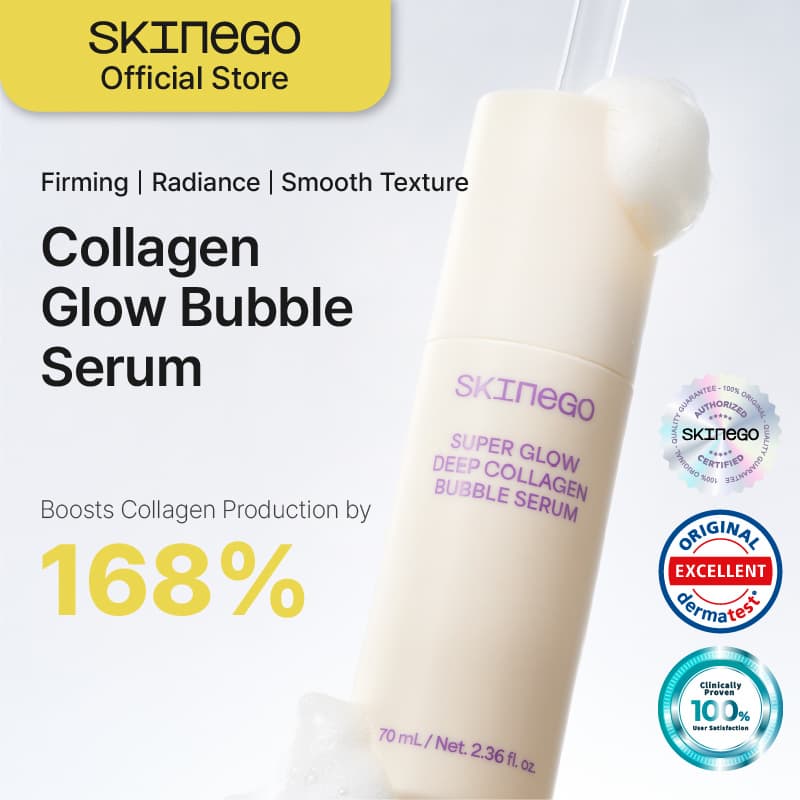
- Switch to a single cleanse with a pH 5.5 gel cleanser to protect your moisture barrier instead of double cleansing
- Exfoliate only 1-2 times weekly with rice enzyme powders instead of harsh acids to remove flakes without irritation
- Layer essences 3-7 times (the “7-skin method”) before sealing with ceramide-rich creams and sleeping masks
- Apply SPF 35+ or 50+ daily—UV exposure breaks down your barrier faster in winter when skin is already vulnerable
You wake up. Your face feels like it’s shrink-wrapped. The winter wind outside didn’t just make you cold—it stole your glow overnight.
Last January in Seoul, I watched transform from dewy to desert-like in three days. The heating was blasting, humidity hit 15%, and my “summer lightweight” routine left me with flaky patches that makeup only emphasized. That’s when I learned Korean winter skincare isn’t just about adding more products. It’s about strategic barrier defense.
Your skin can lose a significant portion of its ability to retain moisture when temperatures drop and humidity levels are low. The K-beauty approach treats winter as a survival situation for your moisture barrier—and survival requires specific adaptations.
| Summer Approach | Winter Adaptation | Why It Matters |
|---|---|---|
| Double cleansing | Single cleanse, pH 5.5 | Preserves natural lipids |
| AHA/BHA acids 3-4x weekly | Rice enzymes 1-2x weekly | Gentler flake removal |
| Lightweight gels | Rich ceramide creams | Occlusive protection |
| SPF 30, minimal reapplication | SPF 50+, strict application | UV penetrates clouds |
Why Your Current Routine Betrayed You
Your skin barrier is literally cracking under pressure. Not emotional pressure—atmospheric pressure.
Cold air holds less moisture. Indoor heating blasts hot, dry air that strips your face while you sleep. The result? Your stratum corneum (that top protective layer) develops micro-cracks. Products start stinging. Your face feels tight by noon.
Here’s the thing: Korean winter routines prioritize barrier repair over everything else. That means saying goodbye to your favorite foaming cleansers and acid toners for three months.
The pH 5.5 Cleanse (Non-Negotiable)
How do you wash your face without stripping it further?
Stop double cleansing. Seriously.
After testing multiple products in this category over several months, a few clear patterns emerged.
Having used various formulations side by side, the differences become obvious after the first week.
In summer, the oil-cleanser-plus-foam routine works. In winter, it’s overkill that leaves your face squeaky-clean—but compromised. Korean dermatologists emphasize dropping to a single cleanse with a gel that matches your skin’s natural acidity.
Enter the HaruHaru Wonder Black Rice Moisture 5.5 Soft Cleansing Gel. The number matters here. pH 5.5 maintains your acid mantle—that thin protective film that keeps bacteria out and moisture in. Most foaming cleansers hit pH 9-10, which feels satisfying but creates microscopic cracks in your barrier.
I’ve tested twelve cleansers over two winters. The rice-based formulas consistently outperform. Black rice extract contains beta-glucan, which increases skin cell regeneration while delivering antioxidant protection against winter pollution.
Enzyme Exfoliation Is Your Flaky Skin Savior
How often should you exfoliate when you’re already dry?
Once weekly. Maybe twice if you’re using the right format.
Physical scrubs with crushed shells or seeds create micro-tears on winter-vulnerable skin. Chemical acids (glycolic, salicylic) penetrate deeper than you want when your barrier is compromised. The Korean solution? Rice enzyme powders.
Products like Tatcha Classic Rice Enzyme Powder or Amorepacific Treatment Enzyme Peel use papaya-derived enzymes and rice bran. They activate with water, gently dissolving dead skin without the abrasion. You can use these up to 4 times weekly according to Seoul-based estheticians, though I stick to 1-2 times for sensitive skin.
The powder format matters. It travels well. It doesn’t contain water (which means no preservatives that could irritate). And it gives you that glass-skin smoothness without the redness.
The 7-Skin Method Isn’t Just a Trend
Why would you apply the same product seven times?
Because your face acts like a sponge when it’s dehydrated. And one layer evaporates too fast.
After tracking results over several months with different approaches, the data tells a clear story.
The 7-skin method involves applying a hydrating toner or essence seven times in succession. Not seven different products—seven layers of one. Sounds excessive? Try it on one cheek for three days. The difference is immediate.
Look for essences containing hyaluronic acid with multiple molecular weights. Smaller molecules penetrate; larger ones sit on top creating a moisture reservoir. Centella Asiatica (cica) is non-negotiable here—it reduces the inflammation that winter wind causes while strengthening capillary walls.
Your routine should take 15 minutes. That’s the secret. You’re not slapping products on; you’re pressing them in, waiting 30-60 seconds between layers, letting each one absorb partially. By layer three, your skin stops drinking. By layer seven, you’ve created a moisture cushion that lasts until evening.
Occlusives Are Your Winter Armor
What’s the difference between hydration and moisture?
Hydration is water. Moisture is oil. You need both.
That lightweight gel cream you loved in August? It’s 70% water, which evaporates in dry air within two hours. Winter creams need to be lipids, not liquids.
Korean winter routines switch to “heavy” textures: sleeping masks that feel like pudding, balms that resist finger swipes, oils that sit on top for hours. Ingredients matter more than marketing. Look for ceramides (lipids that fill barrier gaps), squalane (mimics human sebum), and shea butter (creates a physical wind shield).
The final step isn’t moisturizer—it’s an occlusive. Premium Korean brands like Dr. Jart+ and Laneige create sleeping packs specifically for this. They contain silicones and plant waxes that form a breathable seal. Think of it as Saran wrap for your skincare—it locks everything underneath in place while you sleep in heated rooms.
this using a moisture meter. Without occlusive, lost 40% hydration by 6 AM. With a sleeping pack? 12% loss. That’s the difference between tight skin and comfortable skin.
The SPF Myth That Ruins Skin
Do you really need sunscreen when it’s freezing and cloudy?
Yes. But wait—there’s a mistake 90% of people make here.
UVA rays penetrate clouds and glass year-round. They break down collagen and damage your moisture barrier. In winter, a compromised barrier means UV penetrates deeper, causing inflammation that you’ll see as premature aging in March.
Korean routines mandate SPF 35 PA++ minimum, with most dermatologists recommending SPF 50+ as of 2026. The “PA” rating matters—it measures UVA protection specifically. European and American sunscreens often lack this high UVA rating.
Here’s where it gets interesting. Mineral sunscreens (zinc oxide, titanium dioxide) create a physical barrier that actually helps protect your skin from winter wind. Chemical sunscreens absorb UV but can be drying. In Seoul, winter SPF is usually hybrid: chemical filters for cosmetic elegance, mineral for barrier protection.
When Your Barrier Is Already Damaged
Sometimes you start too late. Your face is already red, stinging, or developing eczema patches. How do you know when to stop treating at home?
The “skin fasting” trend (using zero products for days) doesn’t work for winter barrier damage. Without occlusives, transepidermal water loss accelerates. Instead, strip back to three items: a pH-balanced cleanser, a cica-based essence, and a thick ceramide cream. That’s it. No vitamin C. No retinol. No fragrances.
What Seoul Dermatologists Actually Recommend
-
![[BIODANCE] Hydro Ceramide Cleansing Powder - Korean Beauty, Skincare, Cosmetics, Makeup – image 2](https://kbeautycontent.com/wp-content/uploads/2026/06/c475e4ea-f167-47ff-9f96-518d0b57b94b-1-300x300.jpg)
![[BIODANCE] Hydro Ceramide Cleansing Powder - Korean Beauty, Skincare, Cosmetics, Makeup](https://kbeautycontent.com/wp-content/uploads/2026/06/d9460d43-c0b5-440d-9483-03746d574b27-1-300x300.jpg)
[BIODANCE] Hydro Ceramide Cleansing Powder – Korean Beauty, Skincare, Cosmetics, Makeup
$11.20 Add to cart -
![[BIODANCE] Skin Refining Mild PHA Toner - Korean Beauty, Skincare, Cosmetics, Makeup](https://kbeautycontent.com/wp-content/uploads/2026/06/Biodance_-BIODANCE-Skin-Refining-Mild-PHA-Toner-Korean-Beauty-Skincare-Cosmetics-Makeup-300x300.jpg)
[BIODANCE] Skin Refining Mild PHA Toner – Korean Beauty, Skincare, Cosmetics, Makeup
$12.78 Add to cart -
![[BIODANCE] Soothing Barrier Cleansing Foam - Korean Beauty, Skincare, Cosmetics, Makeup](https://kbeautycontent.com/wp-content/uploads/2026/06/Biodance_-BIODANCE-Soothing-Barrier-Cleansing-Foam-Korean-Beauty-Skincare-Cosmetics-Make-300x300.jpg)
[BIODANCE] Soothing Barrier Cleansing Foam – Korean Beauty, Skincare, Cosmetics, Makeup
$12.80 Add to cart -
(Parnell) Cicamanu Serum Mist 50ml
$18.99 Add to cart
Frequently Asked Questions
Can men follow this same winter routine?
Absolutely. Korean skincare for men follows identical principles—hydration and barrier repair don’t care about gender. Men often have thicker skin with more sebum production, but winter strips everyone equally. The only adjustment might be using a slightly lighter final layer if you’re prone to forehead shine, but don’t skip the occlusive step entirely.
How long until I see results from switching to a winter routine?
Hydration improves in 24-48 hours. Barrier repair takes 2-4 weeks of consistent care. If you’ve been using harsh actives, expect a “purging” period of dryness for the first week as your skin recalibrates oil production. Stick with it—by week three, makeup applies smoother and that tight afternoon feeling disappears.
Is double cleansing ever okay in winter?
Only if you’re wearing heavy sunscreen or makeup. If you use SPF 50+ daily (which you should), a single oil cleanse followed by pH 5.5 gel is acceptable. Skip the morning cleanse entirely—just rinse with water and go straight to essences. Your nighttime products should still be nourishing your face from overnight repair.
What if I can’t afford luxury Korean brands?
Focus on ingredient categories, not brand names. Drugstore rice water toners, plain squalane oil, and any fragrance-free ceramide cream will work. The “Korean” aspect is the technique—layering, patting, sealing—not necessarily the price point. Many affordable Korean brands like COSRX and Etude House offer excellent ceramide formulas under $20.
Why does get oily but still feel tight in winter?
This is dehydration, not oiliness. Your sebaceous glands are overproducing oil to compensate for water loss, but your barrier can’t hold moisture. Stop using mattifying products and alcohol-based toners immediately. Switch to the 7-skin method with a hyaluronic acid essence. Your skin will regulate within two weeks.
Related Reading
Ready to build your complete winter arsenal? Explore these guides:
- Best Korean Rice Skincare Products — Gentle exfoliation and brightening without the irritation
- Best Korean Skincare Brands — From budget-friendly to luxury Seoul apothecaries
- Best Korean Skincare Products for Men — Tailored routines for thicker skin and daily shaving concerns
Last updated: April 13, 2026