
![[COSRX]Hydrium Triple Hyaluronic Water Wave Sheet Mask](https://kbeautycontent.com/wp-content/uploads/2026/06/COSRX_-COSRX-Hydrium-Triple-Hyaluronic-Water-Wave-Sheet-Mask.jpeg)
Quick Answer: Best Korean Sheet Masks in 2026
- Best for hydration: [Anua] PDRN Hyaluronic Acid Capsule 100 Serum Mask 23ml (1ea)Hyaluronic Acid Mask — five molecular weights, fragrance-free, no sticky residue
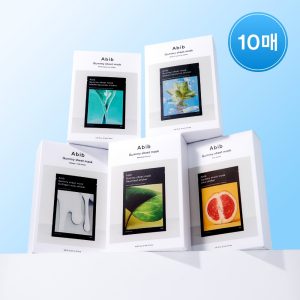
- Best for sensitive/reactive skin: ABIB Gummy Sheet Mask Vita Sticker 27 ml — 75% heartleaf extract, cools on contact
- Best for barrier repair: [COSRX] 5 PDRN Hydrogel Eye Patch & Mask Duo — snail secretion filtrate, allantoin, and hyaluronic acid
- Best for pre-event glow: [BIODANCE] Refreshing Sea Kelp Real Deep Mask – Korean Beauty, Skincare, Cosmetics, Makeup — jelly film worn 3–4 hours, turns transparent as skin absorbs the collagen
- Best budget pick: Round Lab 1025 Dokdo Hydrating Water Gel Mask — hypoallergenic, mineral-rich deep sea water, under $3/mask
Most “best Korean sheet mask” lists sort picks by skin type: one for dry, one for oily, one for sensitive.
That framing sounds helpful. In practice, it’s how beginners shop—not how K-beauty veterans actually do it.
If you’ve used sheet masks for more than a few months, you already know your skin type. What you actually need to figure out is: what does my skin need right now, today?
If you’ve ever stood in front of a mirror debating whether you’re oily, combination, or “dehydrated but also breaking out,” you’ve already wasted ten minutes you could have spent masking.
This guide is organized by skin goal and occasion—the same way Korean beauty consumers actually shop. You’ll also find a breakdown of mask materials that’s missing from most roundups.
![[Anua] PDRN Hyaluronic Acid Capsule 100 Serum Mask 23ml (1ea) – image 2](https://kbeautycontent.com/wp-content/uploads/2026/06/0cf85c51-a6b3-4d85-a989-6742245fef0f-2-300x300.jpg)
![[Anua] PDRN Hyaluronic Acid Capsule 100 Serum Mask 23ml (1ea)](https://kbeautycontent.com/wp-content/uploads/2026/06/13b13704-7465-441f-a59f-61b139261d2f-2-300x300.png)

![[COSRX] *TIMEDEAL* 5 PDRN Hydrogel Eye Patch & Mask Duo](https://kbeautycontent.com/wp-content/uploads/2026/06/0534e472-5917-4763-8b9b-674f031f7a8b-3-300x300.jpg)
![[SOME BY MI] Hyaluron Moisturizing Glow Luminous Ampoule Mask (1ea)](https://kbeautycontent.com/wp-content/uploads/2026/06/Some-By-Mi_-SOME-BY-MI-Hyaluron-Moisturizing-Glow-Luminous-Ampoule-Mask-1ea-300x300.jpg)
Why Skin Goal Beats Skin Type When Picking a Mask
Your skin type is fixed. Your skin goals change weekly—sometimes daily. On Monday you might need barrier repair after over-exfoliating. On Thursday night you want a glow before a dinner. After a long flight, you need pure hydration fast.
A mask organized by skin goal tells you exactly what to reach for. A mask organized by skin type just confirms what you already know.
Most guides assume you’re looking for a one-size-fits-all product. But experienced K-beauty users build a small rotation of masks for different missions. That’s much more practical. This approach recognizes that your face is a moving target, not a static label.
It’s also how Korean dermatologists think about mask therapy—issue-driven, not identity-driven.
The five occasions below cover most of what your skin will actually throw at you. You’ll stop staring at your mask drawer and pick the right one in seconds.
The 5 Sheet Mask Occasions Worth Planning Around
| Skin Goal | When to Reach for It | Key Ingredient to Look For |
|---|---|---|
| Hydration boost | After travel, AC-heavy environments, winter | Multi-weight hyaluronic acid |
| Barrier repair | After over-exfoliation, harsh weather, redness | Snail secretion filtrate, ceramides, panthenol |
| Brightening session | Weekly treatment for dullness, uneven tone | Niacinamide, tranexamic acid, vitamin C derivatives |
| Calming a flare-up | Post-waxing, after active breakout, rosacea flare | Heartleaf, centella asiatica, madecassoside |
| Pre-event glow | Night before a big event, interview, wedding | Bio-collagen film, adenosine, peptides |
Understanding Sheet Mask Materials (The Part Everyone Skips)
The fabric a sheet mask is made from isn’t just a texture preference. It dictates how long you can wear it, how much serum it delivers, and whether it’ll slide off while you’re trying to answer emails. Most roundups pretend the mask material doesn’t exist—that’s a mistake.
Korean sheet masks come in three main material families: cotton/non-woven, hydrogel, and bio-cellulose. Each has a different wear time, serum capacity, and contact quality. Knowing the difference lets you pick the right mask for the occasion, not just the right serum.
Let’s break them down so you can shop like a pro instead of guessing by feel.
What’s the difference between cotton, hydrogel, and bio-cellulose masks?
Cotton/non-woven fiber masks are the most common. They hold a generous amount of serum and deliver it quickly. Wear time is 15–20 minutes. They work for all five skin goal occasions and are the most versatile daily-use option.
Cotton masks tend to be the most affordable, which makes them a good fit for hydration and barrier repair. They’re also less likely to slip, though some cheaper versions can feel scratchy around the edges.
Hydrogel masks come in two pieces (top and bottom) and are made from a gelatin-derived gel. They’re denser and cooler on application—especially useful for calming and brightening. Hydrogels stay moist longer than cotton, so they’re a little more forgiving if you forget to set a timer.
Because they conform tightly and don’t dry out as fast, hydrogels suit the post-waxing calm-down routine.
Bio-cellulose masks (like the Biodance Bio-Collagen mask) form a thin, transparent film directly on your skin. They’re worn for 3–4 hours—some people sleep in them. Think of this format as a leave-on treatment, not a quick masking session.
Bio-cellulose masks are the skincare equivalent of wearing noise-cancelling headphones: they’re a commitment, but the experience is transformative. Also, you will look slightly unhinged wearing a translucent second skin for three hours. That’s part of the charm.
✅ Pro Tip
If you run hot or have active inflammation, reach for a hydrogel over cotton. Hydrogels have a noticeably cooler touch on application, which helps reduce that initial flushing sensation while the actives get to work.
Best Korean Sheet Masks by Skin Goal (2026)
Goal 1: Hydration Boost — [Anua] PDRN Hyaluronic Acid Capsule 100 Serum Mask 23ml (1ea)
The goal 1 pick is the [Anua] PDRN Hyaluronic Acid Capsule 100 Serum Mask 23ml (1ea). Anua PDRN Hyaluronic Acid Capsule 100 Serum Mask: a watery essence with glow oil capsules that burst to deliver deep hydration and a radiant, makeup-ready finish. It does one job well without fuss.
Goal 2: Calming a Flare-Up — ABIB Gummy Sheet Mask Vita Sticker 27 ml
The goal 2 pick is the ABIB Gummy Sheet Mask Vita Sticker 27 ml. Formulated with Nourishing Botanicals, K-Beauty ABIB Gummy Sheet Mask Vita Sticker 27 ml offers daily dietary support for overall vitality and wellness. It does one job well without fuss.
Goal 3: Barrier Repair — [COSRX] 5 PDRN Hydrogel Eye Patch & Mask Duo
The goal 3 pick is the [COSRX] 5 PDRN Hydrogel Eye Patch & Mask Duo. COSRX’s hydrogel eye patch & mask duo with snail mucin, niacinamide, and PDRN helps nourish dry, tired skin with a cooling, close-fitting hydrogel for a smoother, more hydrated look. It does one job well without fuss.
Goal 4: Brightening Session — [SOME BY MI] Hyaluron Moisturizing Glow Luminous Ampoule Mask (1ea)
The goal 4 pick is the [SOME BY MI] Hyaluron Moisturizing Glow Luminous Ampoule Mask (1ea). A single-use ampoule sheet mask that delivers a surge of refreshing hydration for a dewy, luminous glow. It does one job well without fuss.
Goal 5: Pre-Event Glow — [BIODANCE] Refreshing Sea Kelp Real Deep Mask – Korean Beauty, Skincare, Cosmetics, Makeup
The goal 5 pick is the [BIODANCE] Refreshing Sea Kelp Real Deep Mask – Korean Beauty, Skincare, Cosmetics, Makeup. BIODANCE Refreshing Sea Kelp Real Deep Mask is a cooling hydrogel mask that deeply hydrates and refreshes skin, ideal for all skin types seeking a revitalized feel. It does one job well without fuss.
Best Budget Pick: Round Lab 1025 Dokdo Hydrating Water Gel Mask
Round Lab’s Dokdo mask is a top under-$3 sheet mask. It uses deep-sea water from Korea’s Dokdo island, which contains a balance of minerals that help regulate skin pH and improve moisture retention.
The water-gel texture sits lightly on skin without the heavy post-mask tackiness some cotton masks leave behind.
It’s hypoallergenic, fragrance-free, and suitable for sensitive skin. At roughly $18 for a 10-pack, it’s practical for daily use and delivers noticeably better hydration than most masks at twice the price point.
It suits anyone who wants to build a daily masking habit without going broke. It’s also a great gateway mask for anyone new to K-beauty—effective, non-intimidating, and won’t sensitize your skin.
💡 Key Takeaway
Don’t equate price with performance in Korean sheet masks. The Korean beauty market is exceptionally competitive at the budget tier, and brands like Round Lab, [Anua] PDRN Hyaluronic Acid Capsule 100 Serum Mask 23ml (1ea), and Some By Mi formulate at quality levels that would cost 3–5x more from Western beauty brands.
How to Use Korean Sheet Masks Correctly (Most People Get Step 3 Wrong)
When in your routine should you apply a sheet mask?
Apply a sheet mask after toner, before any creams or oils. In a standard Korean routine: cleanse → toner → sheet mask → moisturizer → facial oil (if you use one). Toner preps skin to absorb the mask better. The moisturizer afterward seals in everything the mask delivered.
Skipping toner reduces absorption because your skin’s surface is less receptive.
How long should you leave a Korean sheet mask on?
15–20 minutes for standard cotton and hydrogel masks. Never past 30 minutes. Once a mask dries out, it reverses direction and begins pulling moisture back out of your skin. More time does not equal more benefit. Set a timer.
The exception: bio-cellulose formats like Biodance are designed to stay on for 3–4 hours or overnight. The film doesn’t dry out—it slowly absorbs into skin, so no reverse osmosis occurs.
What do you do with the leftover serum in the packet?
Use it. Apply the remaining serum from the packet to your neck, décolletage, and the backs of your hands after removing the mask. Most masks include 25–30ml of serum and the sheet only absorbs 15–20ml during wear. The rest is a full serum application you’d otherwise throw away.
Squeeze leftover essence from the packet into your palm and pat it onto your arms and elbows — those areas rarely get the same skincare love as your face.
Do you rinse off a Korean sheet mask after?
No rinsing. Remove the mask and pat the remaining serum gently into your skin with clean fingertips. Follow immediately with moisturizer while the skin is still damp from the serum. Rinsing removes the active ingredients the mask just spent 20 minutes delivering.
If your skin feels tacky, wait a minute—it will absorb. If it still feels sticky after five minutes, you may have used a mask with glycerin-heavy serum; just blot gently with a tissue instead of rinsing.
How often should you use a Korean sheet mask?
For most masks: 2–3 times per week. Daily use of gentle hydrating masks is acceptable if your skin tolerates it well. Daily use of exfoliating or brightening masks (those with acids) is not recommended. Overuse can compromise your barrier and trigger breakouts.
Dermatologists recommend watching for early overuse signs: unexpected tightness after masking, small breakouts in unusual spots, or the post-mask glow lasting less time than it used to. If any of these appear, skip a few days.
“Over-masking is a real phenomenon. Even gentle, hydrating masks can disrupt your barrier if used daily without rest days. Skin maceration—over-hydration at the surface—weakens the lipid barrier the same way over-soaking weakens skin around a bandage. Two to three times a week is a safer cadence for most people.”
The 4 Mistakes That Destroy Glass Skin
Mistake 1: Leaving the mask on until it dries
Dry mask = reverse suction. The sheet pulls moisture out of your skin. Set a timer for 20 minutes. No, you will not absorb “extra” by staying longer—your skin is not a sponge.
Mistake 2: Applying a mask over active acids or retinoids
As noted earlier, this traps actives at higher concentrations and can cause chemical burns. Mask first, then actives, or use them on alternating nights.
Mistake 3: Skipping moisturizer after masking
Sealing is everything. If you don’t lock in the serum with an occlusive layer, transepidermal water loss pulls it right back out. A light gel cream is usually enough.
Mistake 4: Over-exfoliating with acid masks
Stinging is not a glow — it’s a cry for help. Acid masks are treatments, not daily ritual.
Mistake 5: Masking on dirty skin
You must cleanse before masking. Masks aren’t cleansers, and applying one over makeup or daily grime seals in everything you wanted to remove. Always start with a clean canvas.
-
![[BIODANCE] Refreshing Sea Kelp Real Deep Mask - Korean Beauty, Skincare, Cosmetics, Makeup – image 2](https://kbeautycontent.com/wp-content/uploads/2026/06/7a039fdd-356e-4fc6-bdd5-21c155fc6844-300x300.jpg)
![[BIODANCE] Refreshing Sea Kelp Real Deep Mask - Korean Beauty, Skincare, Cosmetics, Makeup](https://kbeautycontent.com/wp-content/uploads/2026/06/c2e1728c-0e01-460d-a13d-fdff7a50fb35-300x300.jpg)
[BIODANCE] Refreshing Sea Kelp Real Deep Mask – Korean Beauty, Skincare, Cosmetics, Makeup
$18.62 Add to cart -
![[Mary&May] Vegan Collagen Red Ginseng Mask (30g * 4ea)](https://kbeautycontent.com/wp-content/uploads/2026/06/General_-Mary-May-Vegan-Collagen-Red-Ginseng-Mask-30g-4ea-300x300.jpg)
[Mary&May] Vegan Collagen Red Ginseng Mask (30g * 4ea)
$19.60 Add to cart -
![[I'm From] Renew Ginseng Mask 70g](https://kbeautycontent.com/wp-content/uploads/2026/06/General_-I-m-From-Renew-Ginseng-Mask-70g-300x300.webp)
[I’m From] Renew Ginseng Mask 70g
$16.80 Add to cart -
![[SOME BY MI] Galactomyces Glutathione Glow Serum Mask (1ea) – image 2](https://kbeautycontent.com/wp-content/uploads/2026/06/9a723328-adac-4323-aa27-2a167a936144-300x300.jpg)
![[SOME BY MI] Galactomyces Glutathione Glow Serum Mask (1ea)](https://kbeautycontent.com/wp-content/uploads/2026/06/1cf56a7a-1cd5-420b-bbcc-c3b9dcc29414-300x300.jpg)
[SOME BY MI] Galactomyces Glutathione Glow Serum Mask (1ea)
$1.76 Add to cart
What Seoul Dermatologists Say About Sheet Mask Strategy
The Korean dermatological consensus on sheet masks has matured. The focus is no longer on masking daily—it’s on targeted, intentional masking. If you’re treating a specific skin goal, one or two masks a week deliver better results than daily generic hydration.
The key insight from Seoul clinics: sheet masks are most effective when paired with a toner that has a similar pH and ingredient family. For example, a heartleaf toner + Abib heartleaf mask amplifies the calming effect beyond what either could do alone.
“The real power of sheet masking comes from pairing it with the right prep. When you use a toner from the same ingredient line as your mask, you prime the skin’s receptors. That synergy is why Korean women often buy the toner and mask from the same collection.”
The 2026 Ingredient Shift: Heartleaf Replaces Centella as the Top Calming Choice
For most of the 2010s and early 2020s, centella asiatica (cica) was the go-to calming ingredient in Korean skincare. It’s still excellent. But as of 2025–2026, Korean brands and formulators have largely moved to heartleaf as the calming active of choice.
Heartleaf (houttuynia cordata) shows faster initial anti-inflammatory response in formulation testing. Brands like Abib, ISNTREE, and Beauty of Joseon have launched heartleaf-forward lines that are outselling their centella predecessors.
If you’re specifically targeting reactive, redness-prone skin in 2026, look for masks listing houttuynia cordata extract in the first five ingredients on the label. Centella still works, but heartleaf works faster—and in the attention economy of your face, faster matters.
✅ Pro Tip
Centella asiatica and heartleaf can be layered safely—they’re not competing actives. If your mask uses heartleaf but you own a centella toner, use both in the same routine. The calming effects are additive, not redundant.
Glass Skin Routine FAQ
Can I use sheet masks with retinol?
Yes, but not at the same time. Use retinol on one night and a hydrating or barrier-repair mask on the next. The mask can help counteract the dryness retinol often causes, but layering them together increases irritation risk.
Do I need to use toner before a sheet mask?
Highly recommended. A pH-balancing toner preps the skin to absorb serum more efficiently. Without it, you’re leaving hydration on the table. If you’re in a rush, a mist toner is better than nothing.
Can I reuse a sheet mask?
No. Once a sheet mask has been on your face, it’s contaminated with bacteria and used up its serum load. Reusing it is like wearing yesterday’s contact lenses—just don’t.
Can men use these masks?
Absolutely. Skin is skin. Masks don’t check your gender—they just check if you remembered to take them off before the 30-minute mark.
Reading the Ingredients List: What the Label Position Tells You
Cosmetic ingredients are listed in descending order by concentration. The first five ingredients make up the vast majority of the formula.
If the active you’re paying for—say, niacinamide for brightening or snail mucin for barrier repair—appears near the bottom after preservatives and thickeners, the concentration is too low to do much. It’s label marketing.
When buying sheet masks, check that your target active appears in the top five to seven ingredients. Anything below the preservatives (usually phenoxyethanol or sodium benzoate) is present in trace amounts only.
If the ingredient list reads like a chemistry textbook and the active you want is behind “fragrance,” you’re paying for nice-smelling water. That’s fine if you want aromatherapy, but don’t expect skin transformation.
| Ingredient | What It Does | What to Avoid Pairing With |
|---|---|---|
| Hyaluronic acid (sodium hyaluronate) | Binds water to skin; multi-weight versions penetrate at different depths | Nothing — universally compatible |
| Snail secretion filtrate | Moisture retention, surface repair, allantoin soothing | Vitamin C (can reduce effectiveness) |
| Niacinamide | Brightening, pore appearance, regulates oil | High-dose vitamin C in same step |
| Houttuynia cordata (heartleaf) | Anti-inflammatory, calms redness, reduces skin temperature | Nothing — pairs well with centella |
| AHA/BHA/PHA blend | Surface exfoliation, brightening, unclogs pores | Retinol or other acids the same evening |
What Even the Best Masks Get Wrong
No mask is perfect. Here are the common frustrations across categories.
The biggest consistency issue: packaging. Moisture levels can vary wildly from packet to packet—like a skincare lottery. You might win a saturated sheet, or you might win a damp towelette.
Sheet fit is the second problem. Korean masks are generally cut for a Korean face shape, with a narrower nose bridge and higher cheekbone cutouts than Western-cut masks. If you have a wider face or nose, the fit may gap.
This reduces contact time with the active ingredients, which is the whole point.
The Abib Gummy Sticker format addresses this better than most — the sticker-type fit is genuinely more adjustable. Cotton masks can slip at the edges.
Final Verdict: Build a Mask Rotation, Not a Single Pick
The Korean approach to sheet masks is never “find one and stick with it.” The routine is designed to address whatever your skin needs that week.
A practical starting rotation for most people: the [Anua] PDRN Hyaluronic Acid Capsule 100 Serum Mask 23ml (1ea), the COSRX Snail Mask after any heavy exfoliation session, and the Abib Heartleaf on flare-up days.
Add the Biodance Bio-Collagen mask to your rotation for events, and the Round Lab Dokdo for budget-conscious daily use in between. That’s five masks for five occasions—and your skin is covered for whatever 2026 throws at it.
📦 For Spas, Aestheticians & Bulk Buyers
If you’re looking to stock sheet masks that practically sell themselves, reach out for verified Korean distributor contacts and competitive minimum order pricing. Let’s get your treatment rooms stocked with the masks your clients will actually ask for by name.
Last updated: April 13, 2026