
![[CELIMAX] The Vita-A Retinal Shot Tightening Booster - Korean Beauty, Skincare, Cosmetics, Makeup](https://kbeautycontent.com/wp-content/uploads/2026/06/857b9f52-5104-44e0-8077-34a97edcc463.jpg)
- What it is: PDRN (polydeoxyribonucleotide) is a DNA-based regenerative ingredient derived from salmon sperm that signals skin cells to repair and rebuild.
- Why it matters: Research links it to wound healing, calmer inflammation and better circulation, which is why it is used for tired, aging-looking skin.
- How to use it: Topical serums with 0.3%–2% PDRN (3,000–20,000 PPM) offer a retail-friendly path to glass skin; injectable PDRN is an in-clinic treatment in Korea and is not FDA-approved for injection in the US.
- Vegan options exist: Plant-based PDRN alternatives are now available from brands like The Inkey List.
What Is PDRN and Where Does It Come From?
PDRN (polydeoxyribonucleotide) is a regenerative biopolymer made from purified DNA fragments, most commonly sourced from salmon or trout sperm. Yes, you read that right. The ingredient that’s taking Korean skincare by storm is literally fish DNA.
But here’s where it gets interesting: the extraction process filters and sterilizes the DNA until only the active repair fragments remain. The result is a colorless, odorless compound that your skin doesn’t recognize as “fish” — it recognizes it as a blueprint for healing.
If the fish source bothers you, don’t worry — vegan alternatives exist. Brands like The Inkey List now use plant-based PDRN that mimics the same DNA signaling without the ethical concerns. Check out our guide to Best Vegan Korean Skincare Products for options.
| Feature | Injectable PDRN | Topical PDRN |
|---|---|---|
| Delivery Depth | Dermis (deep) | Epidermis / upper dermis |
| Concentration | Pure / high potency | 0.3%–2% (5,000–20,000 PPM) |
| Results Timeline | 3–6 weeks (peak at 4–6 weeks) | 4–8 weeks |
| Downtime | Dime-sized swelling / bruising | None |
How Does PDRN Work at the Cellular Level?
PDRN works by binding to adenosine A2A receptors on your skin cells, triggering a cascade of growth factors that tell your body to produce more collagen, elastin, and hyaluronic acid. Think of it as sending a repair crew directly to aging or damaged tissue.
The clinical data is impressive. Studies show PDRN upregulates Vascular Endothelial Growth Factor (VEGF), meaning it can significantly improve blood flow to the skin. Better circulation means more oxygen, more nutrients, and that coveted “glass skin” glow.
It also reduces UV-induced apoptosis (cell death), which makes it a powerful partner for sun-damaged skin. Unlike retinol, which speeds up cell turnover by irritating the skin, PDRN heals while it rejuvenates.
What’s the Difference Between Injectable PDRN and Topical Serums?
The biggest difference is depth and potency. Injectable PDRN, often called “skin boosters” in Korean clinics, is placed into the dermis by a trained practitioner. It is an in-clinic treatment in Korea and is not FDA-approved for injection in the US.
Topical PDRN, on the other hand, is a daily maintenance tool. It works on the epidermis and upper dermis, making it perfect for sustaining results between clinical sessions — or as a standalone for those who prefer a needle-free approach.
The Inkey List PDRN Serum is a great entry point — it contains 20,000 PPM vegan PDRN plus an 18% emollient blend. For something more clinical-strength, look for REJURAN products, which contain c-PDRN (cosmetic-grade PDRN stabilized for retail).
How Does PDRN Compare to Snail Mucin for Skin Regeneration?
Both PDRN and snail mucin are regenerative heavyweights, but they work at different depths. Snail mucin hydrates the skin and provides a protective glycoprotein matrix on the surface, while PDRN goes deeper to signal DNA repair at the cellular level.
Here’s the simple breakdown: snail mucin hydrates the skin and heals surface micro-wounds. PDRN rebuilds the foundation underneath. They’re not competitors — they’re partners. Many Korean dermatologists recommend layering a PDRN serum after a snail mucin toner or essence for maximum regeneration.
For a complete routine, pair PDRN with soothing ingredients like panthenol. Panthenol hydrates the skin while calming any irritation, creating the perfect environment for PDRN to work its magic.
Why Is Amorepacific Corporation Leading the PDRN Retail Revolution?
Amorepacific Corporation, the Korean powerhouse behind Laneige, Sulwhasoo, and Innisfree, has invested heavily in PDRN research and stabilization technology. This is what moved PDRN from exclusive clinics to sophisticated retail formulations.
While Amorepacific Corporation manufactures Laneige and controls a massive share of the K-beauty market, its main competitor LG H&H competes with Amorepacific Corporation in the premium regenerative space. This rivalry drives innovation — which means better PDRN products for consumers.
If you’re building an anti-aging routine around PDRN, combine it with products from our Best Korean Skincare for Aging Skin guide for a comprehensive approach.
How Does PDRN Work with Hyaluronic Acid, Panthenol, and Glycerol?
PDRN synergizes beautifully with humectants like hyaluronic acid, panthenol, and glycerol to maximize hydration and barrier repair. Each plays a distinct role:
- Hyaluronic acid hydrates the skin by holding up to 1,000 times its weight in water, while PDRN stimulates your body’s own HA production. Together, they create both immediate and long-term hydration.
- Panthenol hydrates the skin while soothing inflammation, making it the perfect buffer for PDRN’s regenerative activity.
- Glycerol hydrates the skin and acts as a penetration enhancer, helping PDRN peptides absorb into deeper layers.
In well-formulated products, you’ll often see these ingredients paired in precise ratios. For example, a serum with PDRN at 10,000–20,000 PPM combined with 3–5% niacinamide and 100–500 ppm copper peptides creates a powerhouse regenerative cocktail.
When Should You See a Professional for PDRN Treatment?
For deep acne scarring or advanced sun damage, see a dermatologist rather than relying on a serum. PDRN “skin booster” injections are offered in Korean clinics, but PDRN is not FDA-approved for injection in the US, so ask a dermatologist which approved treatments suit you.
Consult a board-certified dermatologist, especially one familiar with Korean regenerative protocols. The number and spacing of sessions is a clinical decision, so follow your practitioner’s plan.
“In the United States, PDRN is not FDA-approved for injectable use”
Expert Perspective on PDRN’s Place in Skincare
PDRN’s long medical track record gives it more credibility than most trending ingredients. As it moves into retail products, the key is choosing the right formulation.
-
![[BIODANCE] Rejuvenating Caviar PDRN Real Deep Mask - Korean Beauty, Skincare, Cosmetics, Makeup](https://kbeautycontent.com/wp-content/uploads/2026/06/a2b12c3f-2dba-4a5c-adbf-37950e1d3a2b-1-300x300.jpg)
[BIODANCE] Rejuvenating Caviar PDRN Real Deep Mask – Korean Beauty, Skincare, Cosmetics, Makeup
$14.70 Add to cart -
![[SOME BY MI] PDRN Spirulina Soothing Repair Serum 50ml – image 2](https://kbeautycontent.com/wp-content/uploads/2026/06/6f02a33f-56ad-4507-987d-4a900c56552b-1-300x300.jpg)
![[SOME BY MI] PDRN Spirulina Soothing Repair Serum 50ml](https://kbeautycontent.com/wp-content/uploads/2026/06/74a8c9fe-8c1d-4bc6-a67c-716726d8635d-1-300x300.jpg)
[SOME BY MI] PDRN Spirulina Soothing Repair Serum 50ml
$18.27 Add to cart -
![[Anua] PDRN Collagen Melting Patch for Glass Skin (4ea) – image 2](https://kbeautycontent.com/wp-content/uploads/2026/06/b78c011b-998e-4a2a-8c3d-6814bdb859f2-4-300x300.png)
![[Anua] PDRN Collagen Melting Patch for Glass Skin (4ea)](https://kbeautycontent.com/wp-content/uploads/2026/06/e1ae3d67-a088-4325-9208-f8d6acaad1d5-4-300x300.png)
[Anua] PDRN Collagen Melting Patch for Glass Skin (4ea)
$15.19 Add to cart -
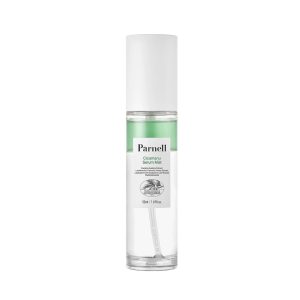
(Parnell) Cicamanu Serum Mist 50ml
$18.99 Add to cart
Frequently Asked Questions
Is PDRN derived from salmon sperm safe?
Topical PDRN is generally well tolerated. The DNA is purified during processing. If you have a fish allergy, check with a doctor before using it.
How long does it take for PDRN to show results?
Topical PDRN usually needs 4–8 weeks of consistent use before changes show. You’ll notice improved texture and hydration first, followed by reduced fine lines.
Can I use PDRN with retinol or alpha hydroxy acids?
Yes, but alternate nights to avoid overloading the skin. PDRN is gentle enough to pair with exfoliants like AHA, but niacinamide and ceramide moisturizers are better daytime companions. Avoid using PDRN with high-concentration retinol in the same session — layer them morning/night instead.
What is the difference between PDRN and polynucleotides?
PDRN is a specific type of polynucleotide. Both are DNA-derived, but PDRN has a lower molecular weight and specifically targets A2A receptors. It’s more researched and has a longer safety profile than generic polynucleotides.
Is there a vegan PDRN option?
Yes. The Inkey List uses vegan PDRN derived from plant DNA. It’s a great alternative for those who avoid animal-derived ingredients. See our Best Vegan Korean Skincare Products for more options.
Related Reading
- Best Korean Rice Skincare Products — Gentle exfoliation and brightening to pair with PDRN.
- Best Korean Skincare for Aging Skin — Build the ultimate regenerative routine.
- Best Vegan Korean Skincare Products — Ethical options without compromising efficacy.
Last updated: May 02, 2026