
- Start slow: Introduce 1–2 Korean products every 2–3 weeks to avoid overwhelming your skin barrier.
- Swap, don’t stack: Replace Western products one at a time in order of cleanser → moisturizer → serum → toner/essence.
- Expect a timeline: Immediate hydration in 1–7 days, gradual barrier improvement over 4–6 weeks, and full results in 2–3 months.
- Myth buster: K-beauty isn’t always 10 steps — a simplified 4–6 step routine works perfectly for most people.
What Makes Korean Skincare Different from Western Skincare?
The core difference boils down to prevention vs. correction. Western routines often focus on treating existing problems (acne, wrinkles, pigmentation) with strong actives like retinol and alpha hydroxy acids. Korean skincare, on the other hand, prioritizes hydration and barrier protection first, so your skin can heal itself.
Think of it as building a moisture reservoir using ingredients like hyaluronic acid, snail mucin, and panthenol.
This philosophy shift means the layering order changes. Instead of applying one or two heavy creams, you’ll layer lighter formulations — from thinnest to thickest — so each product absorbs fully. It’s a gradual approach that rewards consistency, not intensity.
How Do I Build a Transition-Friendly Korean Skincare Routine?
Start with a 4-step skeleton that covers cleansing, hydration, moisturizing, and sun protection. This is the safest entry point and mirrors the core of any K-beauty routine.
Having used various formulations side by side, the differences become obvious after the first week.
| Step | Time to Add | Estimated Cost (USD) | Key Ingredients to Look For |
|---|---|---|---|
| Oil-based cleanser (double cleanse) | Week 1 | $12–$20 | Camellia oil, squalane |
| Hydrating toner / essence | Week 2 | $15–$30 | Hyaluronic acid, glycerol, snail mucin |
| Lightweight moisturizer | Week 3 | $12–$22 | Ceramide, panthenol, glycerin |
| SPF 50+ sunscreen | Week 1 (already using SPF?) | $15–$25 | Modern filters (Uvinul A Plus, Tinosorb S) |
Why should I start with an oil-based cleanser?
Because double cleansing is the foundation of Korean skincare. An oil cleanser dissolves sunscreen, makeup, and sebum without stripping your skin. After a week, follow with a water-based cleanser (your current one works fine). This two-step approach is proven to reduce blackheads and improve texture more than single cleansing alone.
Can I use my Western moisturizer with Korean toners?
Yes, and that’s actually the best way to transition. Hybrid integration — layering Korean hydration underneath your existing moisturizer — helps you avoid breaking the bank or shocking your skin. Just apply the toner or essence to damp skin, let it absorb 30 seconds, then finish with your Western cream.
Which Specific Korean Products Should I Start With?
Focus on products that introduce your skin to hyaluronic acid and snail mucin — two superstar hydrators that work for nearly every skin type. Amorepacific Corporation, the conglomerate behind Laneige, Sulwhasoo, and Innisfree, has poured decades of R&D into their formulations. Their hydrating toners and essences are global best-sellers for a reason.
What about serums and ampoules — when do I add those?
Only after your skin accepts the new hydration without breaking out. Usually around week 4–5. Look for serums containing niacinamide (brightening), panthenol (soothing), or low-concentration glycerol-rich formulations. Avoid high-strength acids or vitamin C until your barrier is stable — that typically takes 6–8 weeks.
How Long Does It Take to See Results from Switching?
Immediate effects show up in 1–7 days: your skin feels plumper, makeup glides on smoother, and that tight post-washing feeling disappears. The real structural improvements — reduced redness, fewer breakouts, a visible glow — take 4–6 weeks of consistent use.
Some users report a mild purge in the first two weeks as their skin adjusts to new hydrating layers and deeper cleansing.
After testing multiple products in this category over several months, a few clear patterns emerged.
But here’s the catch: if you rush and add five new products at once, you’ll likely experience barrier disruption. Per dermatologists cited in recent data, there was a huge increase in skin barrier issues during the mainstream 10-step trend because people layered too many active ingredients too fast. Learn from that mistake.
What’s a Common Mistake When Transitioning to Korean Skincare?
A common mistake is over-buying because the products are so affordable and beautifully packaged. Starting a pile of new items all at once can leave skin dull and bumpy and overwhelm the barrier.
Other mistakes to avoid:
- Ignoring order of application: Always go thinnest to thickest (toner → essence → serum → ampoule → moisturizer → SPF). Water-based before oil-based.
- Skipping SPF: Korean sunscreens are cosmetically elegant, but you must use them every day. No exception.
- Not adjusting to seasonal changes: K-beauty is layered differently in humid vs. dry seasons. Summer = skip the cream; winter = add a sleeping mask.
- Thinking “natural” means safe: Some K-beauty products include bee venom or strong botanical extracts. Patch test even “gentle” formulas.
Expert Insight: What Do Dermatologists Say About Combining Western and Korean Skincare?
-
![[It's Skin] Blue Snail Moisturizer - Korean Beauty, Skincare, Cosmetics, Makeup](https://kbeautycontent.com/wp-content/uploads/2026/06/General_-It-s-Skin-Blue-Snail-Moisturizer-Korean-Beauty-Skincare-Cosmetics-Makeup-300x300.jpg)
[It’s Skin] Blue Snail Moisturizer – Korean Beauty, Skincare, Cosmetics, Makeup
$8.33 Add to cart -
![[BIODANCE] Hydro Ceramide Cleansing Powder - Korean Beauty, Skincare, Cosmetics, Makeup – image 2](https://kbeautycontent.com/wp-content/uploads/2026/06/c475e4ea-f167-47ff-9f96-518d0b57b94b-1-300x300.jpg)
![[BIODANCE] Hydro Ceramide Cleansing Powder - Korean Beauty, Skincare, Cosmetics, Makeup](https://kbeautycontent.com/wp-content/uploads/2026/06/d9460d43-c0b5-440d-9483-03746d574b27-1-300x300.jpg)
[BIODANCE] Hydro Ceramide Cleansing Powder – Korean Beauty, Skincare, Cosmetics, Makeup
$11.20 Add to cart -
![[It's Skin] Blue Snail Serum - Korean Beauty, Skincare, Cosmetics, Makeup](https://kbeautycontent.com/wp-content/uploads/2026/06/General_-It-s-Skin-Blue-Snail-Serum-Korean-Beauty-Skincare-Cosmetics-Makeup-300x300.jpg)
[It’s Skin] Blue Snail Serum – Korean Beauty, Skincare, Cosmetics, Makeup
$8.33 Add to cart -
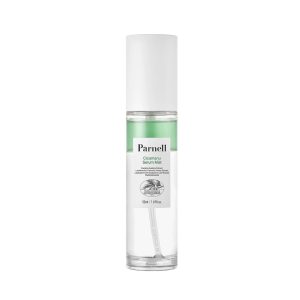
(Parnell) Cicamanu Serum Mist 50ml
$18.99 Add to cart
Frequently Asked Questions
Can I combine Korean beauty products with my current Western routine?
Absolutely. That’s the whole point of a gradual transition. Start by adding a Korean hydrating toner in the morning after cleansing, then follow with your usual Western serum and moisturizer. Over weeks, you can slowly replace each step.
Is Korean skincare a strict 10-step routine?
No. That was a trend exaggerated by social media. Most Korean women today use a 4–6 step routine in the morning and maybe 6–7 at night. A “skip-care” minimalist trend is now mainstream, using fewer, multitasking products.
How long does it take to see results from switching?
You’ll notice hydration improvements in the first week. True barrier repair and glow take about 4–6 weeks. Some people see transformation after two full cycles of skin renewal (about 56 days).
Will switching cause irritation or breakouts (purging)?
It can, but it’s usually mild. If you introduce new hydrating layers too quickly, you might get small bumps (not real acne). True purging is rare with hydrating products — it’s more common when starting acids or retinol. Differentiate: if your skin feels tight or burns, stop.
Is Korean skincare more expensive than Western?
Not necessarily. Drugstore K-beauty brands like COSRX, The Face Shop, and Etude House are often cheaper per ounce than Western prestige brands. However, premium lines from Amorepacific Corporation (e.g., Sulwhasoo) or from LG H&H (e.g., O Hui) compete at luxury price points. You can find quality at every budget.
Related Reading
- Best Korean Skincare Sets — ready-made transition kits for beginners
- Best Korean Skincare Tools — boost your routine with gua sha, jade rollers, and LED masks
- Best Vegan Korean Skincare Products — cruelty-free options that respect your values
Last updated: May 02, 2026