
- Ceramides are natural lipids that make up about 50% of your skin barrier – they act like the “mortar” between skin cells, locking in moisture and keeping irritants out.
- They repair damage fast: Clinical studies show consistent topical use restores barrier function within days, especially when combined with hydrators like hyaluronic acid, panthenol, and glycerol.
- Korean skincare excels at ceramide formulations – think multi-layered creams, serums, and ampoules that also pair with calming ingredients like centella (Cica) for sensitive skin.
- Start using them if your skin feels tight, stings after cleansing, or looks red and flaky. Layer them after water-based hydrators and before heavier oils.
You wash your face, and within minutes it feels like someone stretched a drum over your cheeks. Your moisturizer stings. That tight, angry feeling? That’s your skin barrier screaming for help. And one of the most effective ways to calm it down – especially in Korean skincare – is with ceramides.
Ceramides aren’t just trendy. They’re well studied for helping with transepidermal water loss and restoring a damaged barrier. Here’s everything you need to know, and which products fit.
| Key Fact | Detail | Why It Matters |
|---|---|---|
| Ceramides make up ~50% of your skin barrier | They form the lipid matrix between skin cells | Low levels = moisture loss and sensitivity |
| Barrier restores in days with consistent use | Studies confirm rapid functional repair | Even damaged skin can bounce back quickly |
| Dryness linked to low ceramides 1 to 6 | Nine types exist in human skin | Multi-ceramide formulas work better |
| K-beauty leads with 5-Cera Complex | Dr.Jart+ patented a blend of 5 ceramides | More complete barrier repair |
What Exactly Are Ceramides and Why Do They Matter for Your Skin Barrier?
Ceramides are waxy lipid molecules that naturally make up about 50% of your skin’s outermost layer (the stratum corneum). Think of your skin cells as bricks and ceramides as the mortar that holds them together. Without enough mortar, the wall crumbles – and moisture escapes.
Your body produces ceramides naturally, but production declines with age. Stress, harsh cleansers, over-exfoliation, and even weather can strip them away. When that happens, transepidermal water loss (TEWL) skyrockets. Your skin becomes dehydrated, red, and reactive.
How Do Ceramides Help Repair a Damaged Skin Barrier?
Ceramides plug the microscopic gaps between skin cells, instantly reducing water loss and blocking irritants. A 2020 study confirmed that barrier function begins restoring within just days of consistent ceramide application. That’s faster than most other barrier-repair ingredients.
Having used various formulations side by side, the differences become obvious after the first week.
Here’s the sequence: you apply a ceramide product → the lipids integrate into your skin’s existing matrix → TEWL drops → skin feels less tight → inflammation subsides. Over two to four weeks, the barrier physically thickens.
Do ceramides work better with other ingredients?
Yes – especially when paired with humectants like hyaluronic acid, panthenol, and glycerol. Ceramides alone don’t pull water into the skin; they seal it. So the classic K-beauty technique is to layer a hydrating toner or serum (with hyaluronic acid or panthenol) first, then lock everything in with a ceramide cream.
Can ceramides help with acne-prone skin?
Absolutely. Damaged barriers often lead to excess oil production and inflammation – two acne triggers. By restoring balance, ceramides reduce redness and help prevent breakouts without clogging pores. Many Korean ceramide creams are non-comedogenic.
Who Should Use Ceramides and Why?
Anyone with dry, sensitive, irritated, or eczema-prone skin should prioritize ceramides – but even normal skin benefits from them. Ceramides are part of the skin’s own barrier lipids, so they suit most skin types, especially a damaged barrier.
Signs you need ceramides right now:
- Your skin stings after applying moisturizer.
- You see flaking or redness around your nose and cheeks.
- Your sunscreen burns.
- You’ve overdone retinol or acids lately.
If you’re using retinol, alpha hydroxy acids, or beta hydroxy acids, your barrier is under constant assault. Adding a ceramide product (or swapping your moisturizer for one) can mean the difference between glowing results and a raw, red face.
How Do You Layer Ceramides in a Korean Skincare Routine?
The golden rule: apply ceramides after water-based hydrators but before oils. A typical K-beauty ceramide routine looks like this:
AM: Cleanse → hydrating toner with hyaluronic acid or panthenol → ceramide serum or cream → SPF
PM: Double cleanse → same hydrating toner → ceramide-rich moisturizer (or a sleeping mask with ceramides)
Should you use a ceramide serum, cream, or both?
Both if you can, but start with one. Serums (like Dr.Jart+ Ceramidin Serum or Pai Instant Kalmer) deliver a concentrated dose of lipids. Creams (like the Dr.Jart+ Ceramidin Cream) seal everything in. If your barrier is really damaged, use a serum first, then a cream over it.
Can you use ceramides with Cica (centella asiatica)?
This is the ultimate K-beauty power couple. Centella Asiatica soothes inflammation, while ceramides rebuild the barrier. Many Korean brands combine them – look for “Cica + ceramide” combos. They’re especially good for post-acne redness or sensitivity from treatments.
What Ingredients Work Best with Ceramides?
Humectants (hyaluronic acid, glycerol, panthenol) and soothing agents (centella, niacinamide) are the top partners. Here’s a breakdown of the most effective pairings:
| Ingredient | Role | How It Works with Ceramides |
|---|---|---|
| Hyaluronic acid | Attracts water | Hydrates the skin before ceramides seal that moisture in |
| Glycerol (glycerin) | Humectant + barrier support | Boosts ceramide synthesis naturally; works synergistically |
| Panthenol | Soothing, hydrating | Reduces redness while ceramides repair; common in K-beauty |
| Niacinamide | Barrier strengthening, oil control | Helps skin produce its own ceramides over time |
If you’re interested in vegan or rice-based options, check our Best Vegan Korean Skincare Products and Best Korean Rice Skincare Products guides.
When Should You See a Dermatologist About a Damaged Barrier?
If your skin remains red, painful, or flaky after two weeks of consistent ceramide use, see a professional. Some conditions like eczema, rosacea, or contact dermatitis need prescription treatments.
Expert Perspective: Why Ceramides Are a K-Beauty Staple
-
![[BIODANCE] Hydro Ceramide Cleansing Powder - Korean Beauty, Skincare, Cosmetics, Makeup – image 2](https://kbeautycontent.com/wp-content/uploads/2026/06/c475e4ea-f167-47ff-9f96-518d0b57b94b-1-300x300.jpg)
![[BIODANCE] Hydro Ceramide Cleansing Powder - Korean Beauty, Skincare, Cosmetics, Makeup](https://kbeautycontent.com/wp-content/uploads/2026/06/d9460d43-c0b5-440d-9483-03746d574b27-1-300x300.jpg)
[BIODANCE] Hydro Ceramide Cleansing Powder – Korean Beauty, Skincare, Cosmetics, Makeup
$11.20 Add to cart -
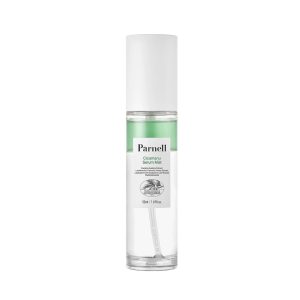
(Parnell) Cicamanu Serum Mist 50ml
$18.99 Add to cart -
![[BIODANCE] Soothing Barrier Cleansing Foam - Korean Beauty, Skincare, Cosmetics, Makeup](https://kbeautycontent.com/wp-content/uploads/2026/06/Biodance_-BIODANCE-Soothing-Barrier-Cleansing-Foam-Korean-Beauty-Skincare-Cosmetics-Make-300x300.jpg)
[BIODANCE] Soothing Barrier Cleansing Foam – Korean Beauty, Skincare, Cosmetics, Makeup
$12.80 Add to cart -
![[DR.JART] Cryo Rubber Soothing Mask - Korean Beauty, Skincare, Cosmetics, Makeup – image 2](https://kbeautycontent.com/wp-content/uploads/2026/06/36e256ea-b335-435e-9be4-d279a11b9fce-4-300x300.jpg)
![[DR.JART] Cryo Rubber Soothing Mask - Korean Beauty, Skincare, Cosmetics, Makeup](https://kbeautycontent.com/wp-content/uploads/2026/06/6ab8d5a1-9da8-4480-a9cf-bbe0bc1cb3ed-4-300x300.jpg)
[DR.JART] Cryo Rubber Soothing Mask – Korean Beauty, Skincare, Cosmetics, Makeup
$12.74 Add to cart
FAQ: Ceramides in Korean Skincare
Can ceramides cause breakouts?
No – in fact, they help reduce breakouts by soothing inflammation and balancing oil production. Most K-beauty ceramide products are non-comedogenic. If you have very oily skin, opt for a gel-based ceramide cream rather than a heavy balm.
Do I need ceramides if isn’t dry?
Yes – even oily skin benefits from a healthy barrier. Ceramides prevent TEWL and protect against irritation, which can trigger excess oil. They’re preventative, not just corrective.
How long does it take for ceramides to repair the barrier?
You’ll see improvement in 3–5 days and significant repair in 2–4 weeks. Studies show barrier function begins restoring within days, but full thickness rebuild takes longer. Consistency is key.
Can I use ceramides with retinol or acids?
Absolutely, and you should. Retinol and AHAs/BHAs accelerate cell turnover, which can damage the barrier. Applying a ceramide moisturizer after these actives prevents irritation without reducing their efficacy.
Are Korean ceramide products better than Western ones?
They’re often more advanced in formulation complexity. K-beauty brands like Dr.Jart+ use proprietary multi-ceramide blends (e.g., 5-Cera Complex) and pair them with soothing ingredients like Cica, whereas many Western products rely on single ceramides. But both can work well.
Last updated: May 02, 2026