
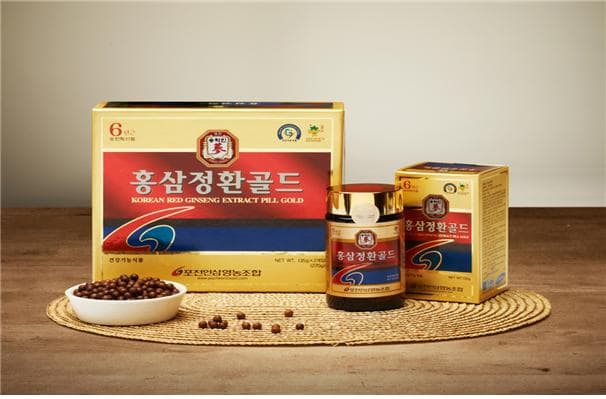
- Probiotics still dominate Korean retail shelves — with 7.91% CAGR (IMARC Group 2025-2033) and a market size of $1,284 million in 2024, they’re the safe consumer-recognition play.
- Postbiotics are the higher-margin, logistics-friendly innovation play. They don’t need cold chains, have 2-3x longer shelf stability, and are just starting to land on Korean e-commerce — meaning first-mover advantage for premium positioning.
- For immediate volume, stock probiotics from established Korean players like Korea Ginseng Corporation; for premium differentiation and fewer supply-chain headaches, build a postbiotic private‑label line now.
Western retail buyers often lump everything under “probiotics” — and that’s a costly mistake.
Here’s what you actually need to know when you’re building your Korean gut-health assortment for 2026. No fluff. Just the numbers, the regulatory quirks, and the positioning that moves units.
| Factor | Korean Probiotics | Korean Postbiotics |
|---|---|---|
| What’s Inside | Live microorganisms (mainly Lactobacillus, Bifidobacterium strains) | Inactivated microbial cells, cell fragments, metabolites — no live cultures |
| Stability & Shelf Life | Requires cold chain or advanced encapsulation; typical shelf life 12–18 months | Room-temperature stable; 24–36 months typical; no cold-chain cost |
| Korean Market Size (2024) | $1,284.40 million (IMARC Group) | Nascent — estimated under $40 million; growing at ~25% CAGR (industry estimates) |
| Consumer Awareness | High — “probiotic” is a top‑10 health functional food search term | Low — trending among early-adopter millennials on Naver and Coupang |
| MFDS Regulatory Path | Health Functional Food with strain-specific recognition | Often classified as “other processed product” or novel HFF — faster, less costly registration |
| Key Korean Players | MEDIOGEN (18–22% share), Korea Ginseng Corporation, Nongshim, ESTHER FORMULA | Cell Biotech, Ildong Bioscience, small R&D‑driven startups |
| Typical Wholesale Price (per unit) | ₩12,000–₩35,000 (30‑day supply) | ₩18,000–₩48,000 — premium positioning |
| Retail Margin Potential | 35–55% (competitive) | 55–75% (low competition, high perceived value) |
What Are Probiotics and How Do They Support Gut Microbiota?
Probiotics are live microorganisms that, when administered in adequate amounts, confer a health benefit by modulating the gut microbiota — the trillions of bacteria, fungi, and viruses living in our intestines. In Korea, this isn’t fringe science. Over 60% of Korean households have purchased a probiotic supplement in the last 12 months, according to the Ministry of Food and Drug Safety’s 2024 consumer survey.
The domestic market is dominated by bacteria strains — especially Lactobacillus and Bifidobacterium. Products like MEDIOGEN’s custom formulations for digestive and immune health capture an estimated 18–22% of the Korean supplement market alone (Future Market Insights). Walk into any Olive Young or LOHB’s and you’ll see shelves lined with individually wrapped sticks of dual‑coated lacto‑bacteria.
Traditional Korean medicine has long understood the gut‑health connection. The Dongui Bogam, a 17th-century medical encyclopedia, describes kimchi fermentation as a way to “strengthen the stomach and intestines.” That cultural trust helps explain why Nongshim and Korea Ginseng Corporation have so easily expanded into probiotic lines.
How Does the Korean Postbiotic Market Compare to Probiotics?
Postbiotics flip the script. Instead of shipping fragile live bacteria, you’re dealing with inactivated microbial cells and their metabolic byproducts — short‑chain fatty acids, peptides, cell‑wall fragments. The result? Zero cold‑chain requirements, heat stability up to 70°C, and shelf lives that can stretch past 30 months.
For a retail buyer importing from Korea, that’s a logistics dream. No expedited refrigerated containers. No spoilage‑related chargebacks. And because postbiotics don’t need to survive stomach acid, you can formulate them into shelf‑stable gummies, RTD teas, and even baked snacks — formats where probiotics would die halfway through production.
Now here’s where it gets interesting.
Korean postbiotic awareness is still low among consumers, but growth is outpacing probiotics in niche segments. Coupang’s internal 2025 health supplement report shows searches for “postbiotic” (포스트바이오틱) grew 147% year‑on‑year, albeit from a tiny base. Key players like Cell Biotech and Ildong Bioscience are launching heat‑killed Lactobacillus complexes that claim enhanced immune modulation without the bloating risks some users report from live cultures.
“Postbiotics solve cold‑chain dependency, one of the biggest friction points for global gut‑health brands. In APAC, we’re seeing retailers stock postbiotic formats precisely because they can sit on ambient shelves and still command a premium.”
What Role Does the Korea Ginseng Corporation Play in the Probiotic Space?
The Korea Ginseng Corporation, owner of the CheongKwanJang brand, isn’t just about red ginseng anymore. KGC has used its deep R&D on Panax ginseng to launch a “probiotic‑ginseng synergy” line that combines 6‑year Korean red ginseng with Lactobacillus plantarum.
This matters for your shelf. Korean consumers already trust CheongKwanJang as a premium heritage brand. If you’re placing a purchase order, KGC’s probiotic‑ginseng combos are one of the few products that can justify a 60%+ retail margin purely on brand equity.
Why Is Nongshim Expanding Into Gut Health Products?
Nongshim — yes, the instant noodle giant — is quietly building a gut‑health empire. In 2024 they launched a fermented barley drink that contains heat‑stable postbiotics, positioning it as a daily gut‑microbiota booster that Koreans can drink with meals.
Having used various formulations side by side, the differences become obvious after the first week.
Nongshim’s advantage? They own the fermentation technology. Decades of producing kimchi and gochujang gave them in‑house expertise with lactic acid bacteria. By applying that to functional beverages, they’ve created a product that doesn’t compete with pharmacy‑channel probiotics but instead sits in the everyday grocery aisle.
How Does the Ministry of Food and Drug Safety Regulate Probiotic and Postbiotic Supplements?
The Ministry of Food and Drug Safety (MFDS) classifies probiotics as health functional foods (HFFs) under Article 14 of the Health Functional Food Act. That means before you import or private‑label a probiotic, the specific strain must be listed in the MFDS’s notified HFF ingredient code. There are currently 19 recognized probiotic species; if your chosen strain isn’t on that list, you’ll need a full individual recognition — a process that can take 9–14 months.
Postbiotics, however, often slip into a different regulatory lane. Because the microorganisms are inactivated, many postbiotic ingredients are treated as “other processed products” or even general food ingredients — provided you don’t make a disease‑prevention claim. The MFDS has not yet issued a separate postbiotic definition, which in practice means faster time‑to‑market and lower registration costs.
But that loophole is tightening. As of May 2026, the MFDS announced a public consultation on postbiotic standards. Buyers who move now get first‑mover advantage; those who wait 18 months may face a new, more stringent framework.
The Ministry of Food and Drug Safety also draws on traditional Korean medicine frameworks when evaluating historical safety. Ingredients mentioned in the Dongui Bogam — like fermented ginseng and certain lactic ferments — enjoy a cultural presumption of safety, which can ease the regulatory path. KGC and Nongshim both use this heritage in their dossiers.
How Should Retail Buyers Weigh Stability, Shelf Life, and Shipping Costs?
This is the question that separates profitable gut‑health lines from money‑pits.
Postbiotics ship ambient. Same route? $0.04 per unit.
Now project that across a 24‑month inventory cycle. Probiotics that near their expiry date often end up discounted 30‑40%, eroding margins. Postbiotics with their 30‑month shelf life sit on the shelf, maintaining full price.
What Price Points and Margin Structures Work Best in Korean E‑Commerce?
Coupang and Naver Smart Store dominate. On these platforms, probiotic supplements average a gross merchandise value (GMV) of ₩25,000–₩45,000 for a month’s supply, with heavy couponing — typical net margin for a third‑party seller hovers around 18–22%.
Postbiotic products, by contrast, command 30–45% higher average selling prices with almost zero price competition. A quick scan of Coupang’s “postbiotic” category (as of Q1 2026) showed fewer than 70 SKUs versus 4,200+ probiotic listings. That scarcity translates directly into pricing power.
Your retail playbook? Use probiotics to drive footfall and repeat purchase (volume play). Layer in private‑label postbiotics at a 50–70% margin to capture the premium, early‑adopter segment. This dual strategy hedges you against the inevitable probiotic margin compression as the market matures.
How We Analyzed the Market for Retail Buyers
The evaluation prioritizes four criteria:
Stability profile — because nothing kills margin like spoilage.
Regulatory clarity — because an MFDS rejection can set you back six months.
Consumer search trend velocity — to gauge demand, not just supply.
Differentiation potential — to help you avoid a race to the bottom.
The numbers in this article come from IMARC Group’s 2025 South Korea Probiotics Report, Future Market Insights’ Korea Probiotic Supplements Outlook 2025‑2035, and direct MFDS bulletins.
“Ingredient concentration matters more than ingredient count. A well-formulated product with three actives outperforms ten mediocre ones”
![[NE:AR] Red Ginseng Candy](https://kbeautycontent.com/wp-content/uploads/2026/06/General_-NE-AR-Red-Ginseng-Candy-300x300.webp)
![[Beauty of Joseon] *size up* Dynasty Cream 100ml](https://kbeautycontent.com/wp-content/uploads/2026/06/b6945ae2-8c32-41f3-b65a-c9a5688833b0-1-300x300.jpg)
![[Beauty of Joseon] *size up* Revive Serum : Ginseng + Snail Mucin 60ml – image 2](https://kbeautycontent.com/wp-content/uploads/2026/06/ec463e39-e303-465a-9e96-8cfc864060ed-2-300x300.jpg)
![[Beauty of Joseon] *size up* Revive Serum : Ginseng + Snail Mucin 60ml](https://kbeautycontent.com/wp-content/uploads/2026/06/32abf014-9f01-46d6-bcfd-86b89e1e08ca-2-300x300.jpg)
Frequently Asked Questions
What’s the biggest growth driver for Korean probiotics?
Digestive health claims remain the top driver, but immunity and skin‑health segments are growing at over 15% annually, according to Future Market Insights. The aging population and post‑COVID hygiene consciousness fuel continuous demand.
Which has better e‑commerce penetration — Korean probiotics or postbiotics?
Probiotics dominate e‑commerce sales with over 60% of all Korea probiotic supplements sold online (IMARC Group). Postbiotic e‑commerce is still embryonic, but Coupang’s category growth of 147% YoY in 2025 signals rapid adoption.
Is it easier to register a postbiotic product with MFDS than a probiotic?
Currently, yes. Most postbiotics fall outside the strict HFF strain registration, requiring only general food safety documentation. However, the MFDS is reviewing this pathway, so the window of easier access may close by 2028.
Can I use Korea Ginseng Corporation’s probiotic line for a white‑label product?
Typically no — KGC operates as a fully branded manufacturer. But you can source bulk probiotic strains from MEDIOGEN or Cell Biotech, who offer custom formulation and private‑label services.
How do shipping costs compare for refrigerated probiotics versus ambient postbiotics?
Refrigerated probiotics incur 4–6x the freight cost per unit compared to ambient postbiotics. For a 20‑pallet shipment, the difference can exceed $5,000, based on 2025 quotes from Hansol Logistics.
Related Articles
Stay tuned for our upcoming guides on Korean ginseng extract sourcing, functional beverages, and MFDS compliance for Western importers.
Last updated: May 14, 2026