
- Health Functional Food (HFF) — the only tier where every product passes MFDS pre-market approval with human clinical trials, carries the blue-and-white Hangul shield logo, and can legally make specific health claims.
- Food with Function Claims (FFC) — a middle tier for everyday foods that mix ≥30% of a recognised HFF; easier to launch but limited to milder “helps maintain” statements.
- Regular Supplements — the catch-all sold globally without MFDS oversight; these are self-declared, often missing the hard proof you expect from a Korean-labelled product.
- Fake products — bottles that slap “Korean ginseng” on the front but skip every safety and approval step. You’ll learn the exact checks to spot them instantly.
What’s the real difference between Korean HFF tiers and regular supplements?
The Health Functional Food Act and the Ministry of Food and Drug Safety (MFDS) database make the gap clear. It isn’t subtle; it’s the difference between a product that had to survive human trials inside a GMP facility and one that got a self-attestation form filled out in 20 minutes.
What exactly is a Health Functional Food (HFF) and how does the Ministry of Food and Drug Safety regulate it?
The Ministry of Food and Drug Safety defines an HFF as a product manufactured with functional raw materials that have passed pre-market safety and efficacy reviews — often including human clinical trials — and must be produced in a GMP-certified facility. No other product can legally use the MFDS health claim language or the official blue-shield logo.
Here’s what that approval path looks like. A company submits a dossier with toxicology data, human study results, and manufacturing protocols. The ministry then evaluates it against the Health Functional Food Code, which organises ingredients into 41 functional categories (think: blood circulation improvement, joint health, antioxidant activity).
As of Dec 2025, the Food Safety Korea database lists 489 approved HFFs — 96 are Specified Ingredients (SIs) that have been pre-listed based on long-standing traditional use and modern data, and 393 are Individually Recognised Functional Ingredients (IRFIs), each one running the full clinical-trial gauntlet.
“The Health Functional Food Act mandates that any product using the term ‘health functional food’ must have its functional ingredient approved by the MFDS, manufactured in a designated GMP facility, and labelled with the official mark. There’s no back door.”
After approval, the product stays on a short leash. The MFDS enforces 24‑month post‑market surveillance, which includes random sampling for heavy metals and pesticides. If a company gets caught slipping, the certification is revoked and the product is removed from shelves — a risk most global supplement brands never face.
Why does Korea Ginseng Corporation’s CheongKwanJang stand out as a verified HFF benchmark?
Korea Ginseng Corporation markets CheongKwanJang, a brand built entirely around MFDS‑approved red ginseng extracts — every SKU carries the blue‑shield logo, a traceable ingredient code, and the GMP hallmark.
The reason is in the root., including acupuncture, Panax ginseng, the core active, has been a pillar of traditional Korean medicine for centuries — the Dongui Bogam famously detailed its balancing properties., including moxibustion, KGC took that legacy and funnelled it through the full HFF machinery: they hold multiple IRFIs for specific ginsenoside profiles that required human clinical studies.
And because KGC owns the entire supply chain — from contracted farms to GMP processing — the traceability is airtight. According to the Korea Health Supplements Association, integrated manufacturers like KGC complete the average HFF renewal audit in under 12 weeks, nearly twice as fast as firms that rely on third‑party sourcing.
Bottom line? If you see CheongKwanJang on a marketplace, you’re holding a product that has already survived the strictest functional‑food process on the planet.
Why do brands like Nongshim choose FFC over full HFF certification?
Nongshim, the food giant known for instant noodles, started producing functional cereals and beverages under the Food with Function Claims (FFC) framework because it’s faster, cheaper, and lets them wrap wellness into daily eating — but it carries a different set of rules.
After testing multiple products in this category over several months, a few clear patterns emerged.
An FFC is a regular food — a cracker, a drink, a bar — that includes at least 30% of the recommended daily intake of an already‑approved HFF ingredient. No new clinical trials are required; the manufacturer simply notifies the MFDS and uses the existing ingredient dossier. Nongshim’s ginseng‑spiked cereal, for instance, relies on a pre‑approved ginseng HFF that has already proven its blood‑circulation claim.
The trade‑off? No big health promises. FFC labels can only say things like “can help maintain skin health from dryness” or “supports post‑meal blood sugar levels” — no disease‑related language, no performance boosts. And the product still gets an MFDS registration number, but it won’t carry the full HFF shield logo. You’ll usually spot the phrase “본 제품은 건강기능식품이 아닙니다” (This product is not a health functional food) somewhere on the back.
| Criterion | HFF | FFC |
|---|---|---|
| Pre‑market review | Full MFDS approval | Notification only |
| Clinical trials required | Yes (for IRFIs) | No (piggybacks on HFF data) |
| Health claim strength | Specific functional phrases | Mild “helps maintain” wording |
| Logo | Blue‑shield Hangul | No shield; may have “FFC” notation |
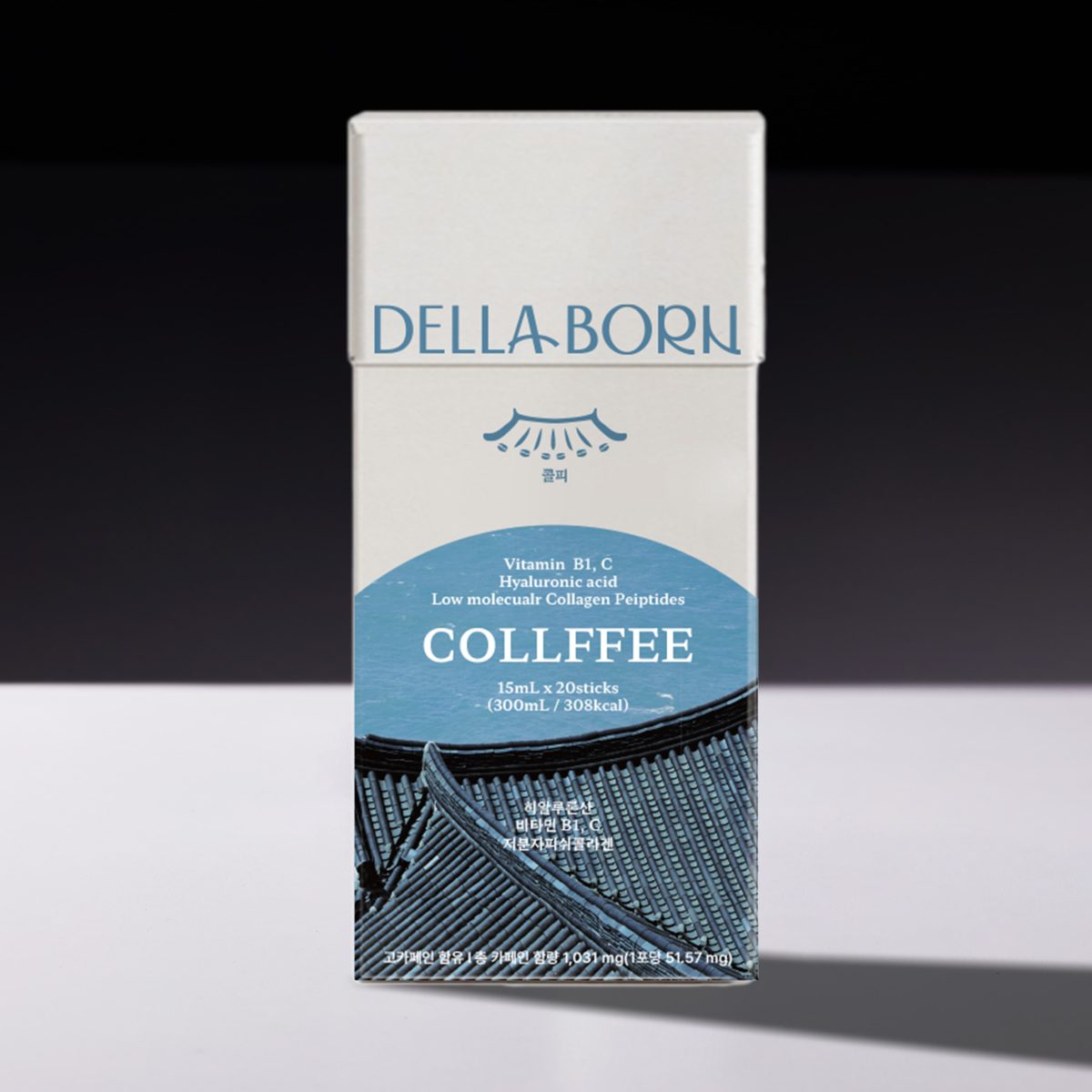
Who it’s for: Busy folks who want a functional boost without gulping pills — think ginseng latte mixes or collagen jelly sticks. Just remember, an FFC is a food first, not a clinical‑grade supplement.
What do regular supplements lose when they skip Korean HFF standards?
When a supplement is sold as a regular dietary supplement — whether under US FDA DSHEA, EU food supplement law, or loose APAC rules — it circumvents the entire MFDS pre‑market review, GMP scrutiny, and post‑market surveillance. The manufacturer writes its own structure‑function claim and submits it (sometimes), but no agency validates human efficacy data.
A regular “red ginseng extract” bottle from a generic international brand shows a ginsenoside percentage and a “supports immune health” statement. That’s it. No registration code, no GMP stamp, no batch‑testing transparency. By contrast, an HFF ginseng bottle from Korea Ginseng Corporation lists a unique product code, the MFDS‑approved functional claim, and a certificate number traceable to a GMP site.
Does that mean regular supplements are useless? Not always. Some third‑party tested brands do heavy metal and potency screens. But when you’re buying a product that invokes Korean ginseng’s heritage — traceable back to the Dongui Bogam and refined by modern Panax ginseng research — skipping the HFF tier strips away the only legally enforced proof that the formula works as advertised.
How do fake Korean HFF products trick international buyers?
Counterfeiters hijack the HFF halo by printing a fake shield logo, inventing a Korean address, and using just enough broken Hangul to fool English‑speaking shoppers. The Ministry of Food and Drug Safety has issued warnings about products that claim “Made in Korea” but are actually blended and packed in Vietnam or China.
The scams fall into two buckets. First, the logo‑only fake: the bottle has the blue shield but no 10‑digit recognition number, no GMP facility code, and the ingredient list doesn’t match any MFDS database entry. Second, the ingredient‑theft fake: the brand copies the functional claim of a real HFF (often ripped word‑for‑word from CheongKwanJang) while using a low‑grade powder that never passed any inspection.
Enforcement data from the KHSA shows that the majority of fake HFFs are intercepted on third‑party seller platforms where direct manufacturer verification is missing. If the product description says “clinically proven” without naming the study or IRFI code, walk away.
How we evaluated label tiers for international buyers
The priority list is simple: proof of human clinical data, clear MFDS registration, GMP traceability, and claim accuracy. Labels that hide ingredient origins behind vague phrases like “Asian ginseng” or “sourced from Panax roots” deserve skepticism. If a manufacturer can’t say which SI or IRFI their product used, treat it as a regular supplement.
Buyer’s guide: how to choose the right Korean health food tier
How can I verify a Korean supplement’s HFF status in 60 seconds?
Scan the front panel for the blue‑and‑white shield with the Hangul text “건강기능식품.” Flip to the labelling detail area and find the 10‑digit recognition number. Type that number into the Food Safety Korea integrated search tool. If the ingredient, manufacturer, and functional claim match, you have a genuine HFF. If any piece is missing, you don’t.
What should I look for when buying Korean health foods online from overseas?
Insist on three things: the MFDS shield logo, a GMP facility code, and a product registration number that starts with “제” (je). Avoid sellers who only show “manufactured in Korea” without a facility address. When possible, buy from authorised Korean export platforms that display the KHSA trust mark; these platforms batch‑verify HFF status at listing time.
Is it safe to use HFFs long‑term compared with regular supplements?
According to the MFDS’s post‑market surveillance framework, every HFF goes through a 24‑month mandatory follow‑up that includes random testing for heavy metals, pesticides, and ingredient potency. Regular supplements have no equivalent federal programme. Sustained HFF registration of 5+ years adds even more safety data, making long‑term use demonstrably safer than unmonitored alternatives.
“The most effective skincare routine is one that addresses your specific concerns without overwhelming your skin’s natural defenses”
Frequently Asked Questions
What is the difference between HFF and regular supplements?
HFFs must pass MFDS pre‑market review, human clinical trials, and GMP manufacturing. Regular supplements follow self‑declaration rules with no mandatory clinical proof. An HFF can make specific health claims; a regular supplement can only use structure‑function language.
How do I know if a Korean supplement is authentic HFF?
Look for the MFDS blue‑shield logo with Hangul text, a 10‑digit recognition number, and a GMP facility code. Cross‑check the recognition number on the Food Safety Korea database. If any of those elements are missing, it’s not an authentic HFF.
What does the MFDS HFF logo look like?
It’s a stylised blue shield with a white outline. Inside, the Hangul characters “건강기능식품” are arranged in two lines. The logo is always accompanied by a product‑specific recognition number on the same packaging panel.
Are HFFs safe for long‑term use?
Yes. HFFs are subject to 24‑month post‑market surveillance that includes heavy metal and pesticide testing. Products with over five years of sustained registration have an additional layer of safety data, making long‑term use well‑documented and traceable.
Can non‑Korean‑made products claim HFF status?
No. Only products manufactured in GMP facilities that are registered with and audited by the MFDS can carry the HFF logo. A product blended overseas — even if it uses Korean raw materials — cannot legally use the shield or make HFF‑level claims.
What are Individually Recognised Functional Ingredients (IRFIs)?
IRFIs are proprietary functional raw materials that a company has proven through human clinical studies and received individual MFDS approval. They differ from Specified Ingredients (SIs), which are pre‑listed based on widespread traditional and scientific data. As of Dec 2025, Korea has 393 registered IRFIs.
Related Articles
No related articles yet — check back soon for our upcoming guides on importing HFFs to the US and EU, and a visual cheat sheet of real vs. fake MFDS logos.
Last updated: May 14, 2026