
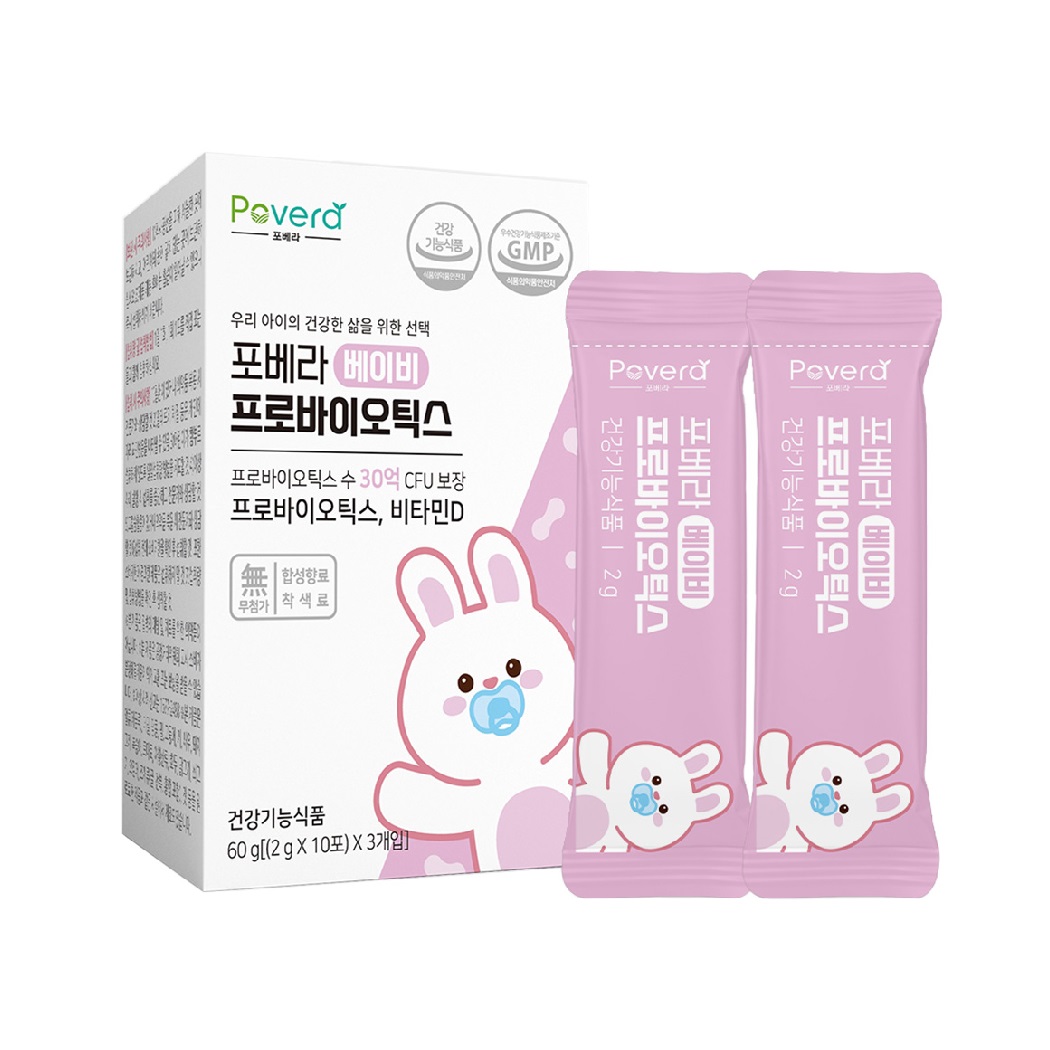
- CKD Healthcare’s Lacto-Fit is the top wholesale choice for ready-made, branded probiotics — Korea’s #1 market share, 2 billion CFU per packet, and clinically proven constipation relief.
- Chong Kun Dang Holdings’ OEM program (via CKD Bio) is the best private-label route for custom formulations up to 10 billion CFU, including the first GLP-1 pathway probiotic.
- Korea Ginseng Corporation’s CheongKwanJang and Nongshim Health offer niche alternatives for premium ginseng-probiotic blends and budget-friendly imports, respectively.
Choosing the wrong probiotic supplier can leave you with products that won’t clear customs — or won’t sell.
The problem? Most guides lump CKD Healthcare and Chong Kun Dang together like they’re the same entity. They’re not. For B2B sourcing, that distinction changes everything: pricing, MOQs, certifications, and what you can actually put on your label.
Here’s what you need to know before placing a single order.
| Brand / Sourcing Channel | Best For | Key Strains & CFU | Est. MOQ | Indicative Unit Price (ex-factory) | Our Verdict |
|---|---|---|---|---|---|
| CKD Healthcare Lacto-Fit Gold | Finished branded product for retail | LACTO 5X™ (5 strains), 2 bn CFU | 5,000 packs | $0.45 – $0.60 | 🏆 Best seller for a reason |
| Chong Kun Dang OEM (Bioxgut/CKD Bio) | Private label & custom formulations | Customizable, up to 10 bn CFU (incl. GLP-1 probiotic) | 10,000 units | $0.80 – $1.20 | 🔬 Innovation leader |
| Korea Ginseng Corporation CheongKwanJang | Premium ginseng-probiotic blends | Panax ginseng + 10 probiotic strains, 1 bn CFU | 3,000 units | $1.50 – $2.00 | 🎯 Premium niche |
| Nongshim Health Probiotics | Budget-friendly entry-level | 5 strains, 1 bn CFU | 5,000 units | $0.30 – $0.50 | 💡 Test-market option |
What makes CKD Healthcare Lacto-Fit the top Korean probiotic for wholesale finished goods?
CKD Healthcare’s Lacto-Fit dominates Korean probiotics — and for a B2B buyer, that brand equity translates directly into faster shelf turnover.
Launched in 2016, Lacto-Fit rapidly captured the #1 position in the domestic market., including ginsenoside, According to a 2014 MFDS-aligned survey cited by the Korea Ginseng Corporation’s own competitive analysis, it remained the top choice for intestinal bacteria diversity as of early 2024. The product line uses the upgraded LACTO 5X™ technology, delivering 2 billion CFU per 2.0 g packet through strains like L. plantarum UALp-05 and B. animalis ssp. lactis UABla-12.
Pros:
- Market leadership. Korea Ginseng Corporation market data confirms Lacto-Fit held over 40% of domestic probiotic sales by value in 2022, even after pandemic demand softened.
- Clinical proof. A 2025 study by CKD Healthcare and Seoul National University (published in Food Microbiology and Biotechnology) showed BSS scores improved significantly by week 4 in a 90-participant trial using Lacto-5X.
- Export-ready. MFDS GMP-certified, with existing distribution in 20+ countries. Documentation for HALAL and FDA clearance already exists.
- Retail pull. The recognizable gold packaging cuts your marketing spend — consumers search for “Lacto-Fit Gold” specifically.
Cons:
- High MOQ. Expect 5,000 packs as a typical first order, which can strain smaller importers.
- Pricing premium. At $0.45–$0.60 per unit, margins are tighter than white-label options.
Who this is for: Importers who need a finished, proven brand that practically sells itself. Perfect for pharmacy chains, health stores, and e-commerce sellers wanting recognized Korean quality.
How does Chong Kun Dang’s OEM probiotic program compare for private label buyers?
Here’s where the parent company diverges. Chong Kun Dang Holdings isn’t just the umbrella over CKD Healthcare — through its unlisted subsidiary CKD Bio, it offers a full OEM machine that the Lacto-Fit brand can’t touch.
CKD Bio’s manufacturing platform gives you access to custom-formulated probiotics, including the modern GLP-1 strain Bifidobacterium longum NBM7-1 (10 billion CFU)., especially when using a Schisandra chinensis, They supply private label giants like the Bioxgut line, which uses coconut oil-coated strains for superior gut survival — a technique validated by traditional Korean medicine principles of enhancing absorption.
Pros:
- Truly custom. Pick your strains, CFU count (up to 10 billion), excipient, and coating.
- First-mover GLP-1 probiotic. According to CKD Healthcare, the GLP-1 probiotic modulates appetite pathways, making it a hot seller as weight management supplements boom globally.
- Research backbone. CKD Bio collaborates with Seoul National University, and all products meet MFDS GMP standards.
- Flexible certifications. You can request HALAL, FDA-compliant batches — they’ve already done it for partners like HATAPHAR.
Cons:
- Longer lead times. Custom-blend production adds 6–8 weeks compared to off-the-shelf Lacto-Fit.
- Higher minimums. Expect 10,000 units as a baseline, though you can negotiate down if you bring volume commitment.
Who this is for: Supplement brands looking to launch a unique probiotic line with proprietary formulations. The GLP-1 angle is a massive differentiator.
“We’ve developed a probiotic that modulates the GLP-1 pathway to support appetite control. It’s the first of its kind in Korea, and OEM partners can bring it to market under their own label.”
Why should B2B buyers consider Korea Ginseng Corporation’s CheongKwanJang probiotics?
Korea Ginseng Corporation markets CheongKwanJang as the gold standard in ginseng, but its probiotic line is a hidden gem for premium health retailers.
CheongKwanJang combines Panax ginseng with 10 probiotic strains, bridging the gap between traditional Korean medicine and modern gut science., especially when using a Angelica sinensis, The Dongui Bogam, Korea’s classic medical text, recorded that ginseng supports vitality and gut health — something this product packaging emphasizes. The result? A dual-functional health claim that lets your retail partners sell both immune support and digestive wellness in one jar.
Pros:
- Instant brand trust. The 120-year heritage of Korea Ginseng Corporation carries weight, especially with Asian diaspora and holistic health consumers.
- Unique formulation. No other major Korean probiotic brand weaves in red ginseng extract so centrally.
- Production quality. Every batch is manufactured in MFDS-certified facilities that also produce the world-famous CheongKwanJang ginseng supplements.
Cons:
- Narrower strain diversity. Only 10 strains, focused heavily on Lactobacillus — fewer than Lacto-Fit’s 19 types.
- Higher per-unit price. $1.50–$2.00 means you need a premium retail positioning to justify margins.
Who this is for: Importers targeting high-end holistic health stores, TCM clinics, or luxury wellness e-commerce platforms.
Is Nongshim’s probiotic line a hidden gem for budget-conscious importers?
Yes — but only if you check the paperwork. Nongshim, the ramyeon giant, moved into health functional foods with an affordable probiotic that some B2B buyers overlook.
Nongshim Health’s probiotics come with a straightforward 5-strain blend at 1 billion CFU per serving. It’s not flashy, but the pricing is aggressive: $0.30–$0.50 per unit. The real strength? Nongshim’s massive logistics network makes Asia-wide distribution smoother than with many pharma-only players.
Pros:
- Lowest barrier. MOQs start at 5,000 units, with room to negotiate downward for sample orders.
- Established supply chain. Nongshim already ships food products globally, so freight and documentation are streamlined.
- Budget retail appeal. Perfect for discount health chains and direct-to-consumer private label where price beats premium positioning.
Cons:
- Minimal clinical trials. Unlike CKD Healthcare, Nongshim hasn’t published strong human studies specific to its probiotic line.
- Certification variability. Some batches may lack ready-to-go HALAL or FDA documentation — always confirm before ordering.
How did we evaluate Korean probiotic brands for B2B sourcing?
The comparison prioritizes five criteria:
- Manufacturing compliance. MFDS GMP certification was non-negotiable. The Ministry of Food and Drug Safety regulates health functional foods strictly — without it, your shipment risks rejection.
- Clinical backing. Human trials count for more than lab tests. The 2025 constipation study on Lacto-5X was a standout.
- Export readiness. HALAL, FDA, and pre-existing export partnerships signal a supplier who won’t be learning on your dime.
- Commercial viability. Revenue trends mattered. According to Mirae Asset Securities, Lacto-Fit’s peak quarterly revenue of W71.2 billion (Q1 2021) proved real consumer traction, even if it later softened to W221.4 billion total in 2022.
- Flexibility. MOQs, custom formulation willingness, and label design support separated true B2B partners from mere box-shippers.
What MFDS certifications should you verify before importing Korean probiotics?
The Ministry of Food and Drug Safety governs every health functional food that leaves Korea. As of 2026, three certifications should be your baseline when vetting a probiotic supplier.
First, GMP (Good Manufacturing Practice). This ensures the factory meets hygiene and quality standards. CKD Bio and Korea Ginseng Corporation both hold current MFDS GMP certificates. Nongshim Health does too, so check the expiration date on the specific lot.
Second, the Health Functional Food mark. Look for the four-character phrase “건강기능식품” on the product. This confirms the MFDS has approved the probiotic’s functional claim — often tied to gut microbiota health. Without it, you can’t legally market the product as a health functional food in Korea or under equivalent claims abroad.
Third, HALAL or facility-specific certifications. Many Southeast Asian and Middle Eastern markets demand HALAL certification. The Ministry of Food and Drug Safety can issue export certificates, but your supplier must request them. CKD Healthcare routinely includes these; with Nongshim, you may need to push.
“All CKD Healthcare probiotic facilities operate under integrated GMP standards audited by the Ministry of Food and Drug Safety annually. Export documentation is standardized for over 20 countries.”
How do probiotic strains impact gut microbiota and clinical health outcomes?
A probiotic’s real-world effect depends on whether its live strains can survive stomach acid and colonize your gut microbiota.
The Lacto-5X formulation in CKD Healthcare products uses a specific blend of L. plantarum UALp-05, L. acidophilus DDS-1, and three other strains. That combination was tested in the 90-person RCT mentioned earlier — not just for general wellness but for measurable constipation relief (BSS scores).
One overlooked insight: the Ministry of Food and Drug Safety’s 2014 guidelines recommend 19 beneficial intestinal bacteria types. Korea Ginseng Corporation’s CheongKwanJang product covers only 10, but it boosts efficacy by adding Panax ginseng — which, according to the Dongui Bogam, tonifies the “spleen and stomach” (the TCM equivalent of supporting gut function).
For B2B buyers, this means: match your strain diversity and CFU count to the target market’s preferences. Western buyers lean toward high CFU, multi-strain mixes. Asian holistic markets may value ginseng synergy more.
What role does traditional Korean medicine play in probiotic product development?
It’s not folklore — it’s a selling point. Traditional Korean medicine principles like acupuncture, moxibustion, and herbal tonification have always prioritized digestive fire and gut balance.
The Dongui Bogam repeatedly references that a healthy intestine is the root of vitality. Modern Korean probiotic manufacturers subtly nod to this heritage. Korea Ginseng Corporation’s CheongKwanJang explicitly markets the “ginseng + probiotic” duo as embodying that ancient wisdom. Even CKD Healthcare hints at it — their LACTO 5X coating technique mimics the idea of protecting precious ingredients from degradation, much like moxibustion concentrates warmth.
For your buyers, framing the probiotic inside a holistic story can elevate from commodity to premium. A product that says “probiotic supports gut microbiota based on centuries-old Korean healing traditions” resonates in wellness-focused markets.
![[Beauty Of Joseon] Relief Sun : Rice + Probiotics 50ml*3ea – image 2](https://kbeautycontent.com/wp-content/uploads/2026/06/a602c229-42fe-4169-ba77-5ba77dd569ac-300x300.jpg)
![[Beauty Of Joseon] Relief Sun : Rice + Probiotics 50ml*3ea](https://kbeautycontent.com/wp-content/uploads/2026/06/1fc08dc1-0e19-46a7-9728-b1d818195503-300x300.jpg)
![[Beauty Of Joseon] *TIMEDEAL* Relief Sun : Rice + Probiotics 50ml (4EA) – image 2](https://kbeautycontent.com/wp-content/uploads/2026/06/a602c229-42fe-4169-ba77-5ba77dd569ac-3-300x300.jpg)
![[Beauty Of Joseon] *TIMEDEAL* Relief Sun : Rice + Probiotics 50ml (4EA)](https://kbeautycontent.com/wp-content/uploads/2026/06/1fc08dc1-0e19-46a7-9728-b1d818195503-3-300x300.jpg)
![[BOTO] 6 years Korea Red Ginseng Sticks (30 Sticks)](https://kbeautycontent.com/wp-content/uploads/2026/06/General_-BOTO-6-years-Korea-Red-Ginseng-Sticks-30-Sticks-300x300.jpg)
Frequently Asked Questions
What are the key strains in CKD Healthcare Lacto-Fit Gold?
The LACTO 5X™ formula includes L. plantarum UALp-05, L. acidophilus DDS-1, B. animalis ssp. lactis UABla-12, B. bifidum Bb-06, and S. thermophilus CKDB027. Together they deliver 2 billion CFU per 2.0 g packet.
Is Lacto-Fit really Korea’s #1 probiotic?
Yes, according to a Ministry of Food and Drug Safety-aligned consumer survey and sales data from Korea Ginseng Corporation’s market intelligence, Lacto-Fit has held the top domestic market position since 2016.
What is the CFU count per serving of Lacto-Fit?
Each single-serve stick of Lacto-Fit Gold contains 2 billion CFU. The GLP-1 probiotic version from Chong Kun Dang’s OEM line provides 10 billion CFU.
How does Lacto-Fit target different gut areas?
Its five-strain blend is designed to colonize both the small and large intestine. The coating technology (similar to the coconut oil method used in Bioxgut) protects bacteria through stomach acid for release in the lower gut.
What clinical evidence supports CKD probiotics?
A 2025 randomized controlled trial with 90 participants showed that Lacto-5X significantly improved constipation symptoms (Bristol Stool Scale) by week 4. The study was conducted by CKD Healthcare and Seoul National University and published in Food Microbiology and Biotechnology.
Who manufactures Bioxgut?
Bioxgut is manufactured by CKD Bio, a sister company under Chong Kun Dang Holdings, using coconut oil-coated probiotic strains for enhanced intestinal survival. It’s primarily distributed as an OEM product by partners like HATAPHAR.
Related Articles
No related articles at this time. Stay tuned for more B2B sourcing guides on Korean health functional foods, including CheongKwanJang red ginseng, Nongshim health lines, and the latest probiotic category trends from HATAPHAR and other export partners.
Last updated: May 14, 2026