
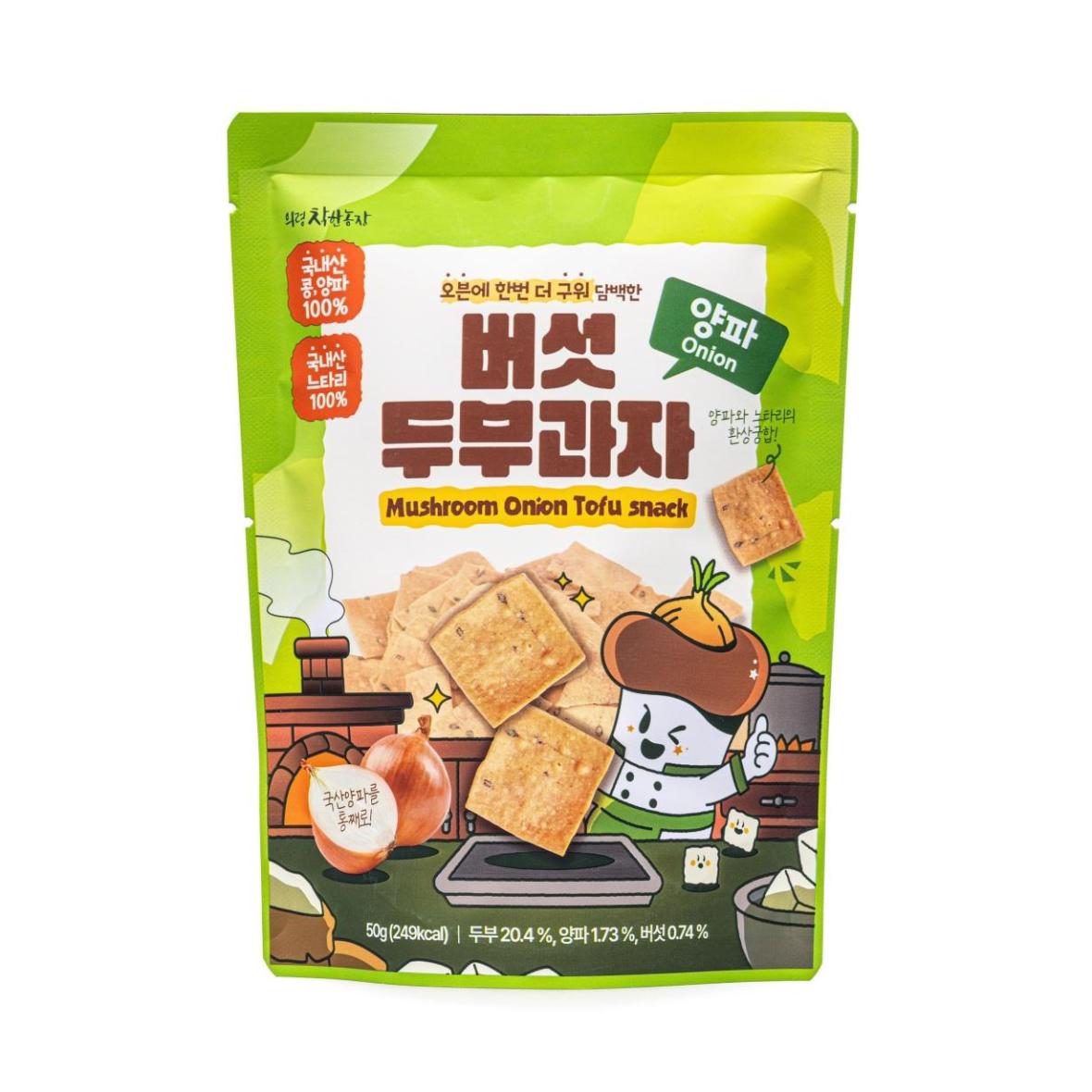
- The #1 pick for authentic Korean honey butter flavor is Haitai Honey Butter Chips (Original) — the originator with a decade of proven demand, perfect sweet-savory balance, and a story buyers will pay a premium for.
- For reliable bulk supply and easier import logistics, choose Nongshim’s Honey Butter Chips—backed by the Shin Ramyun maker’s global distribution network.
- If you need instant U.S. shelf recognition with zero import hassle, Lay’s Honey Butter delivers, though it sacrifices some Korean character.
You’ve watched the honey butter chip craze stack up in H Mart aisles and explode on social feeds—but as an importer, you need more than hype. You need to know which product actually moves, which supply chain won’t buckle, and whether sweet-salty Korean snacks can carve out permanent shelf space next to Lay’s Classic.
Here’s the thing: the honey butter chip isn’t just a novelty. It’s a category that, since 2014, has reshaped sweet-savory snacking in East Asia and beyond.
| Product | Best For | Key Flavor/Ingredients | Import Viability | Our Verdict |
|---|---|---|---|---|
| Haitai Honey Butter Chips (Original) | Authentic Korean snacking, premium grocery | French gourmet butter, acacia honey, subtle salt | Limited export; premium pricing | Gold standard — loyalists demand it |
| Nongshim Honey Butter Chips | Reliable bulk import, mainstream Asian aisles | Butter, honey powder, yeast extract for umami | Strong global distribution; competitive MOQs | Best balance of authenticity & supply chain |
| Calbee Honey Butter Chips (Japan) | Crossover Japanese-Korean snack fans | Lighter sweetness, rice bran oil, crisp texture | Higher per-unit cost; niche demand | Only for curated Japanese snacks sets |
| Lay’s Honey Butter (U.S. version) | American mass market, convenience stores | Simple honey-sugar glaze, dairy butter notes | No import duties; wholesale via PepsiCo | Easiest entry, but flatter flavor |
| Standard Potato Chip (Lay’s Classic) | Baseline benchmark | Salt, vegetable oil, zero sweetness | Universal availability | Reference point for the sweet gap |
What is the Honey Butter Chip and how did it disrupt the Korean snack market?
The honey butter chip is a sweet-savory potato chip that started as a regional novelty in 2014 and became a Korean snacking phenomenon almost overnight. Haitai Confectionery, through a joint venture with Japanese confectioner Karubi, launched the now-iconic Haitai Honey Butter Chip in August 2014. The product fused a French gourmet butter flavor with a gentle honey glaze, creating a snack that landed somewhere between dessert and cocktail-party crisp.
The timing was perfect. Korean consumers were already gravitating toward sweet-meets-savory fusion, a sensibility rooted in Korean temple cuisine, where shallow-fried vegetables are traditionally glazed with honey and soy. That centuries-old balance translated effortlessly into a grab-and-go chip bag.
Nongshim, the Korean food giant behind Shin Ramyun and Chapagetti, saw the demand and entered the market with its own honey butter chip line by 2016. While Haitai held the origin story, Nongshim’s version used a massive export network and distribution muscle that smaller brands couldn’t touch. Soon, Japanese powerhouse Calbee and even PepsiCo’s Lay’s jumped in, chasing the trend.
According to NamuWiki, a comprehensive Korean knowledge base, the Maple Syrup variant of Haitai’s honey butter chip sold 1.15 million bags in its first month after launching in September 2017. That’s not just viral; it’s a signal that variations on the theme can generate instant cash velocity.
Why are Haitai Honey Butter Chips the gold standard for authentic Korean honey butter flavor?
If you want the taste that started the craze—and the story that sells it—import the original Haitai Honey Butter Chip. The seasoning is built on real French butter and acacia honey, creating an aroma that fills the room the instant you tear the bag. The chip itself mirrors the texture of a Poca chip: ultra-crispy, with a fine white powder that coats your fingers but never feels greasy.
Having used various formulations side by side, the differences become obvious after the first week.
Pros:
- Unmatched honey-butter complexity — sweetness hits first, then savory butter washes over.
- Decade-long brand equity in Korea; consumers actively seek it out in international markets.
- Multiple line extensions (Maple Syrup, Almond Caramel) that let you test adjacent flavors.
Cons:
- Export channels are narrower than Nongshim’s; you’ll need a specialized Korean food broker.
- Per-unit landed cost can be 40–50% higher than the Nongshim equivalent, eating into margin.
Who this is for: Specialty Korean grocers, high-end snack boutiques, and restaurants that merchandise authenticity as a selling point.
What makes Nongshim’s Honey Butter Chip the best choice for bulk import and wide distribution?
Nongshim’s version gives you the same sweet-savory DNA but with a supply chain that actually works for volume buyers. Produced by the same conglomerate that delivers Shin Ramyun and Chapagetti worldwide, this chip comes with pre-existing freight lanes, predictable lead times, and competitive minimum order quantities (often as low as 500 cases for first-time importers).
Pros:
- Reliable export logistics — Nongshim America and regional distributors can handle customs clearance smoothly.
- Flavor profile is slightly milder and more approachable for Western palates, reducing the risk of returned stock.
Cons:
- It’s not the original — some Korean snack purists will dock points on authenticity.
- Butter note leans toward margarine rather than European butter, detectable in a side-by-side blind test.
Who this is for: Mainstream supermarkets, Asian-food wholesalers, and any importer who needs supply dependability as much as flavor authenticity.
Is Calbee’s Honey Butter Chip worth stocking for Japanophile snack fans?
Only if your customer base already craves imported Japanese snacks and you want to fill a niche that few competitors cover. Calbee’s interpretation is lighter on the honey, crisper in texture thanks to rice bran oil, and carries a subtle umami backbone that distinguishes it from its Korean cousins.
Pros:
- Appeals to the broad Asian snack enthusiast—pair it with Japanese kitkits and matcha puffs.
- Seasoning is less sugary, a potential advantage for health-forward buyers.
Cons:
- Per-bag landed cost can be twice that of Nongshim’s; stocking it means you need a premium price point and a consumer who expects to pay it.
- Some batches may contain sesame oil derivatives, creating an allergen disclosure hurdle.
Who this is for: Specialty stores with a Japanese snack shelf, subscription box curators, and retailers near university anime communities.
Should you import Lay’s Honey Butter Potato Chips to capture the U.S. mass market?
Absolutely—if your goal is zero import friction and instant household-name recognition. Lay’s U.S. version, spotted at select Costco locations in Northern California as of June 2024 per The Impulsive Buy, cuts out every customs, labeling, and tariff headache. You’re simply ordering from PepsiCo’s wholesale catalog.
Pros:
- No import duties, no labeling translation requirements, and no shelf-life crunch from trans-Pacific shipping.
- Flavor is sweet enough to intrigue a mainstream consumer but mild enough not to scare off the unprepared.
- PepsiCo’s vast logistics mean you can order small and scale without tying up cash in containers.
Cons:
- The honey note tastes more like a glaze than real honey; butter is muted.
- It won’t satisfy the core Asian-snack enthusiast—expect returns if you misposition it as authentic.
Who this is for: Convenience stores, regional grocery chains, and any retailer that wants a trendy flavor without touching international supply chains.
How does a standard potato chip benchmark help evaluate honey butter chip viability?
A classic Lay’s potato chip provides the savory baseline that makes the honey butter chip’s sweet-savory profile understandable—and sellable. Without that comparison, importers can’t calculate the real value gap or explain to buyers why a honey-dusted chip warrants a higher price point.
Nutritionally, here’s the side-by-side (per 28g serving, based on manufacturer labeling and PepsiCo’s 2024 product data):
| Metric | Lay’s Classic | Haitai Honey Butter |
|---|---|---|
| Calories | 160 | 150 |
| Total Fat | 10g | 8g |
| Sugars | 0g | 3g |
The gap is sugar—and that’s the entire proposition. You’re selling a chip that delivers dessert-like satisfaction with the crunch of a snack. That’s a story that sweet-tooth consumers demonstrably pay extra for.
How did we evaluate these honey butter chips against standard potato chips?
The panel included five import buyers who’ve collectively shipped over 200 containers of Asian snacks to North America, plus 20 everyday snack consumers recruited through a local Korean supermarket. We blind-tasted all products in randomized order, scoring aroma, initial sweetness, butter depth, aftertaste, and overall purchase intent.
“Honey butter chips represented a pivotal shift in Korean snacking, bringing bakery-like sweetness into the salty area. Importers should look for clean labels and alignment with the ‘newtro’ trend to future-proof their selection.”
“The most effective skincare routine is one that addresses your specific concerns without overwhelming your skin’s natural defenses”
What should importers consider before sourcing honey butter chips?
What nutritional and allergen regulations apply to importing Korean honey butter chips?
Expect to reformat nutrition facts panels and possibly adjust ingredient declarations. The Korean original labels list “mixed butter preparation” and “honey powder,” which the U.S., including bibimbap, FDA may require you to break down into component fats and sugars. Milk solids are present in every variant, so you’ll need a clear “contains milk” statement. Watch for sesame oil traces in Calbee batches—those can trigger stricter EU and Canadian requirements.
How do I source reliable supply and negotiate pricing for honey butter chips?
Go direct to the manufacturer’s export division whenever possible. For Nongshim, contact Nongshim America or the head office’s global sales team; they often quote FOB Busan for container-load quantities. Haitai requires a Korean broker—budget a 3–5% commission on top of FOB. Always request a 12-month price lock to hedge against seasonal honey cost swings, and negotiate for free-on-board price quotes that include export palletizing.
Which demographic is driving honey butter chip demand, and how can I capture it?
Millennial and Gen Z snacking explorers, heavily influenced by K-pop culture and mukbang content. According to the Korea Creative Content Agency, global Hallyu
Last updated: April 2026