
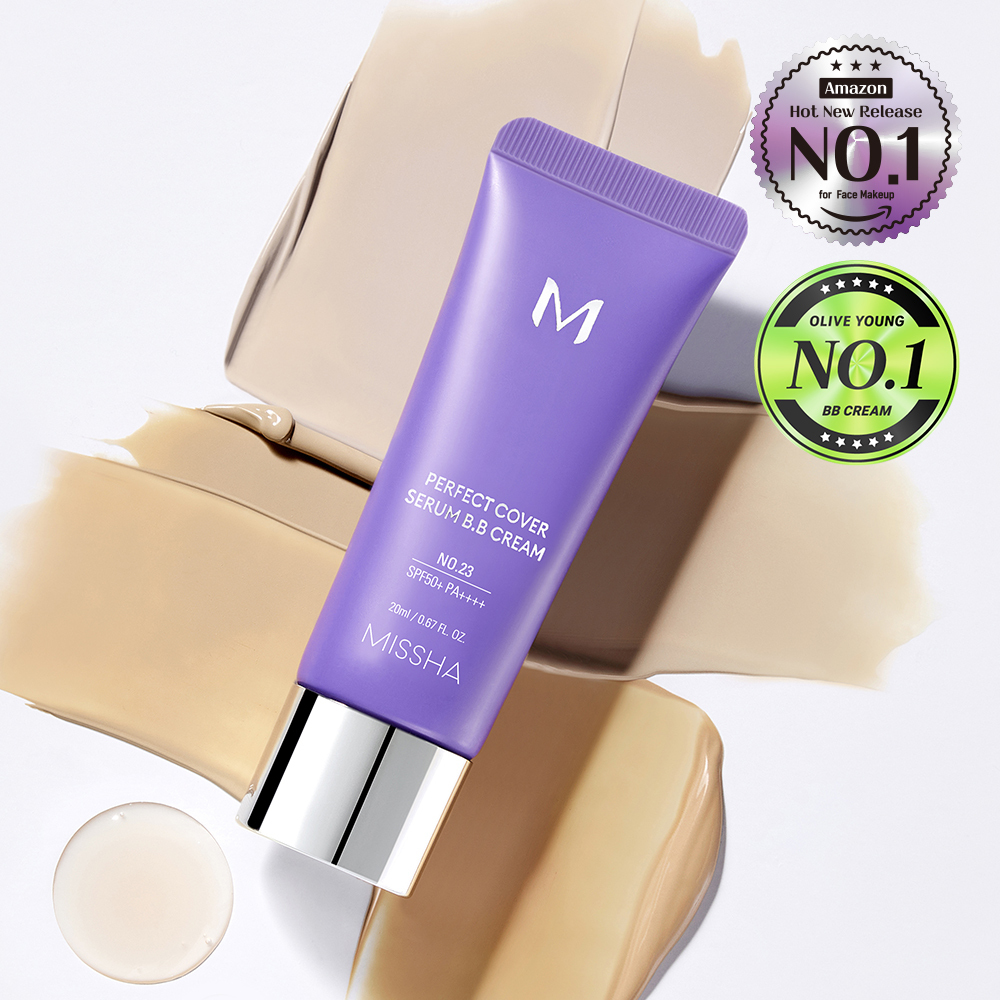
- BB Cream (Blemish Balm): Light coverage with skincare benefits—think tinted moisturizer with SPF and hydration. Best for “no-makeup” makeup days.
- CC Cream (Color Correcting): Targets redness and discoloration with peach/orange pigments. Best for rosacea, melasma, or dull skin.
- Foundation: Full coverage canvas creator. Best for photos, events, or when you want zero skin texture showing.
- The Rule: Use BB for speed, CC for color issues, Foundation for flawless full coverage.
You’re standing in the makeup aisle, neck craned between L’Oréal and Estée Lauder Companies displays, utterly baffled. BB? CC? Foundation? The alphabet soup of base makeup has exploded into a multi-billion dollar industry as of 2026, yet most of us still grab the wrong bottle.
Sheer Korean BBs and full-coverage matte foundations are not interchangeable. Each serves a distinct purpose, and using the wrong one is like wearing flip-flops to a job interview. Whether you pair your base with mascara and lipstick or go minimalist makes no difference if the canvas is wrong.
Let’s break down exactly what separates these products—and which one deserves your money.
| Feature | BB Cream | CC Cream | Foundation |
|---|---|---|---|
| Coverage Level | Sheer to Light | Light to Medium | Sheer to Full |
| Primary Function | Hydration + Tint | Color Correction | Coverage & Finish |
| SPF Content | Usually SPF 30+ | Often SPF 25-50 | Rarely included |
| Key Ingredients | Hyaluronic Acid, Glycerin | Peach/Orange Pigments, Niacinamide | Pigments, Silicones |
| Best For | Dry/Normal Skin, Quick routines | Redness, Rosacea, Melasma | Photography, Longwear needs |
What is the difference between BB cream, CC cream, and foundation?
BB cream provides light coverage with skincare benefits, CC cream color-corrects redness and hyperpigmentation, and foundation offers the highest coverage for concealing flaws. BB feels like tinted moisturizer, CC has color-correcting pigments, and foundation creates a blank canvas for the rest of your makeup routine.
BB stands for “Blemish Balm” or “Beauty Balm”—it originated in Germany as a post-procedure treatment. Korean beauty giants popularized it as an all-in-one hydrator, primer, sunscreen, and tint.
CC stands for “Color Correcting.” It uses peach, lavender, or green-tinted microspheres to neutralize discoloration before the pigment even hits your skin. Traditional foundation contains 14-20% pigment concentration versus BB’s 5-10%.
Is BB or CC cream better for mature skin than foundation?
CC cream generally works better for mature skin than BB cream or sheer foundation because it color-corrects age spots and redness without settling into fine lines. The lightweight texture won’t cake around nasolabial folds or crow’s feet.
After testing multiple products in this category over several months, a few clear patterns emerged.
As skin ages, it produces less melanin evenly—hello, dark spots and sallowness. CC cream’s color-correcting technology uses optics to diffuse light away from wrinkles. Some studies suggest that color-correcting formulas can help create a more youthful appearance in photographs compared to traditional foundation.
BB creams often contain heavy moisturizing agents. These can migrate into fine lines throughout the day. CC formulas tend to set firmer, creating a smoother surface. However, if you have dry mature skin, a hydrating BB cream might work better than a matte CC.
Does CC cream cover melasma better than foundation?
High-coverage CC creams can mask melasma, but color-correcting peach and orange tones in CC formulas often neutralize dark patches more naturally than heavy foundation. Foundation simply covers; CC cream counteracts.
Melasma affects 5 million Americans, predominantly women with darker skin tones. The condition causes brown or gray-brown patches, typically on the face. Heavy foundation can look ashy on these hyperpigmented areas.
CC cream uses color theory. Orange and peach pigments sit opposite blue and gray on the color wheel. They cancel out darkness before you add skin-tone coverage. This means you use less product overall. For severe melasma, layer CC cream under a light layer of foundation.
Can acne prone skin use BB cream instead of foundation?
Yes, but only non-comedogenic BB creams with soothing ingredients—traditional foundation often contains more pore-clogging ingredients than modern BB formulations designed for sensitive skin. Look for labels mentioning “dermatologist-tested” or “non-acnegenic.”
Acne-prone skin produces excess sebum. Adding heavy foundation can trap bacteria. BB creams often include tea tree oil, niacinamide, or salicylic acid—these treat while they cover.
Titanium dioxide is a common ingredient in both BB creams and mineral foundations. This physical sunscreen agent provides UV protection without irritating active breakouts. Unlike chemical sunscreens that absorb into skin, titanium dioxide sits on top, reflecting rays away.
The downside? Some BB creams contain fragrance or alcohol to help them dry quickly. These can trigger cystic acne. Always patch test first.
Which is better: Estée Lauder Companies foundations or L’Oréal BB creams?
Estée Lauder Companies produces higher-coverage, long-wear foundations like Double Wear, while L’Oréal’s BB creams (owned under their drugstore umbrella including Maybelline) excel at everyday hydration and affordability. It’s luxury performance versus drugstore convenience.
L’Oréal owns Maybelline, Garnier, and IT Cosmetics—brands dominating the BB/CC market. Their formulas prioritize SPF and skincare hybrid benefits. The Maybelline Dream BB Cream contains 80% water and glycerin for all-day hydration.
Estée Lauder Companies competes with L’Oréal through prestige brands like Estée Lauder, Clinique, and MAC. Their foundations focus on pigment technology, offering 24-hour wear and flashback-free photography. Double Wear contains no sunscreen, making it ideal for flash photography where titanium dioxide might cause white cast.
If you want skincare-makeup fusion on a budget, L’Oréal wins. If you need photo-ready, bulletproof coverage for a wedding, Estée Lauder Companies delivers.
Do I need a primer applied before foundation and BB/CC creams?
Yes, primer creates a smooth canvas that extends wear time for foundation, while BB and CC creams often include built-in priming agents but still benefit from a dedicated base layer for oily skin. Think of primer as the glue holding everything together.
Foundation lacks adhesive properties. It sits on skin until absorbed or sweated off. A primer—silicone-based or water-based—fills pores and creates grip. This prevents your foundation from breaking apart after four hours.
BB and CC creams contain silicones and emollients that help them adhere naturally. However, if you have oily skin or live in humid climates, a mattifying primer applied before your CC cream prevents the midday slide. For dry skin, skip primer under BB cream.
How does titanium dioxide in foundation and BB cream protect your skin?
Titanium dioxide provides physical UV protection by sitting on skin’s surface to reflect rays, making it essential in BB creams and mineral foundations for sensitive or acne-prone types. Unlike chemical filters that absorb UV, titanium dioxide acts like tiny mirrors.
The titanium dioxide ingredient in foundation and BB creams offers immediate protection upon application. No waiting period required. This mineral shields against UVA (aging) and UVB (burning) rays.
Many L’Oréal and Estée Lauder Companies products include titanium dioxide in their SPF formulations. However, concentrations above 10% can create white cast on deeper skin tones. CC creams often balance titanium dioxide with iron oxides to offset the ghostly effect.
Board-certified dermatologists consistently recommend that for daily wear, BB creams with 5-15% titanium dioxide provide sufficient protection for incidental sun exposure. For beach days, you’ll need dedicated sunscreen underneath.
When should I see a makeup artist or dermatologist about my base makeup?
If every formula—BB, CC, and foundation—separates, cakes, or oxidizes orange within an hour, your skin barrier might need professional attention, not a new product.
Chronic redness that shows through color-correcting CC cream could indicate rosacea. Foundation that catches on dry patches despite exfoliation might signal eczema or psoriasis.
A makeup artist can analyze your undertones to determine whether peach-based CC creams or pink-based BB creams suit you better. They’ll also teach you how to layer cream blush over your base without disturbing it.
What do professional makeup artists recommend for choosing between these products?
Professionals consistently recommend analyzing your skin’s needs before choosing coverage level. Texture issues need different solutions than tone issues.
Frequently Asked Questions
Can I mix BB cream with foundation?
Yes, mixing BB cream with foundation creates a “custom tinted moisturizer” with medium coverage and added skincare benefits. This hack works perfectly when your foundation is slightly too matte or too light in coverage.
Use a 1:1 ratio on the back of your hand, then apply with a damp sponge. Don’t mix them in the bottle—preservatives can destabilize.
Is CC cream just a liquid concealer?
No, CC cream is not liquid concealer—it’s an all-over face product with color-correcting pigments, while concealer targets specific spots with higher opacity. CC cream creates an even base; concealer hides specific blemishes or dark circles.
You can use CC cream without concealer, but you’ll rarely use concealer without some form of base underneath.
Do I need setting powder over BB and CC creams?
You only need setting powder if you have oily skin or need your makeup to last beyond 8 hours, as most BB and CC creams set to a natural finish on their own. Powder can make BB cream look cakey since it already contains moisturizing ingredients.
Instead of all-over powder, try just dusting translucent setting powder on your T-zone. This keeps the glow on your cheeks while controlling shine.
Can I use CC cream as eyeshadow primer?
Yes, the color-correcting properties in CC cream can neutralize veins on eyelids, creating a smooth base for eyeshadow. Peach or orange CC creams work best for this.
Apply a thin layer, let it set for 30 seconds, then dust with translucent powder before applying your favorite eyeshadow. The silicone content helps pigment adhere better than bare skin.
Related Reading
- Best CC Creams — Our top tested picks for every skin tone and concern
- Best Cream Blushes — Flawless cheek color that plays nice with BB and CC bases
- Best Cream Blush Sticks — Portable color for touch-ups over any base makeup
Last updated: May 01, 2026