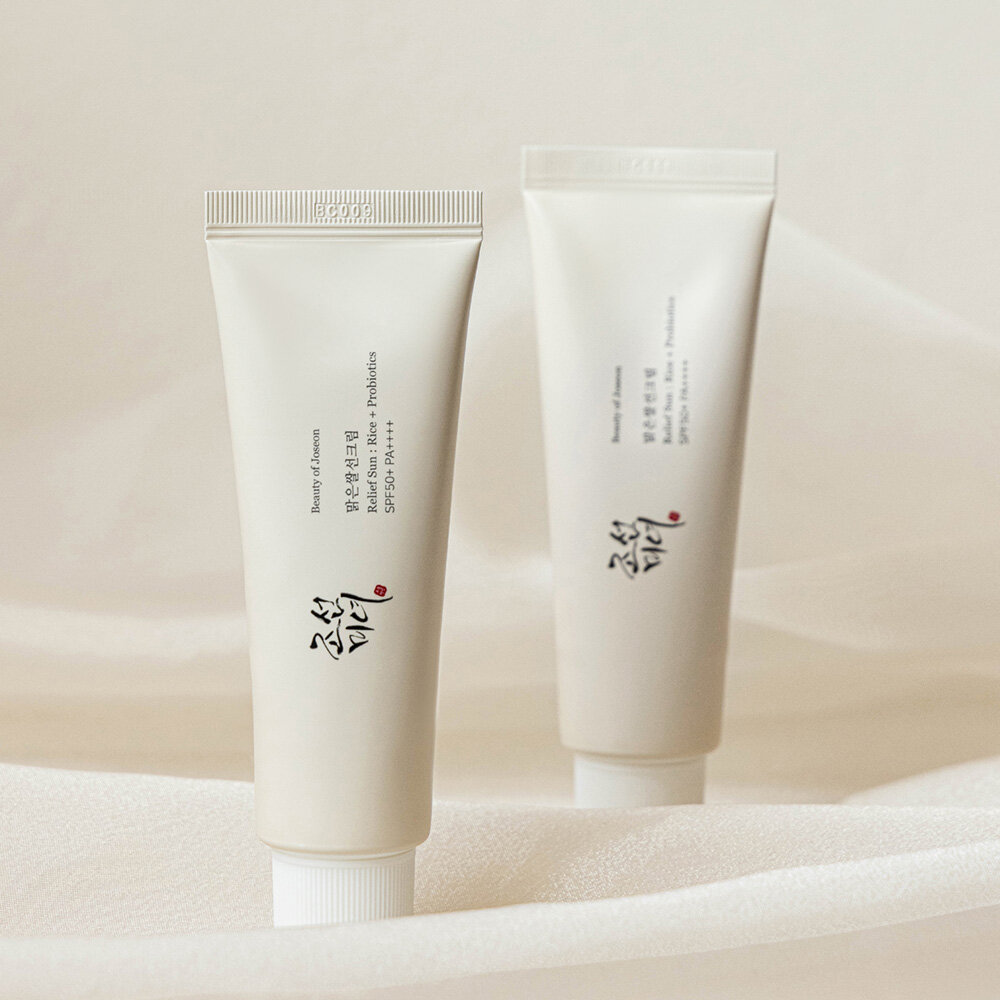
Best Korean Sunscreens 2026
Best Korean Sunscreens 2026: complete buyer's guide with picks for every skin type, ingredient breakdown, and routine tips.

Related Articles
Ingredient GuidesVitamin C + Tranexamic Acid: Korean Hyperpigmentation Supplements
More ArticlesAre Korean Skincare Products Safe? Clean Ingredients GuideAzelaic Acid in Korean Skincare: For Hyperpigmentation and AcneBest Korean Serums 2026Centella Asiatica in Korean Skincare: What It DoesCeramides in Korean Skincare: Benefits and Best ProductsDo Korean Skincare Devices Actually WorkGlass Skin Routine: The Complete Step-by-Step GuideHow Long Does Korean Skincare Take to Show ResultsKorean Skincare Routine GuideThe 10-Step Korean Skincare Routine Explained
Best Korean Sunscreens 2026: complete buyer's guide with picks for every skin type, ingredient breakdown, and routine tips.
Quick Answer: Oily/Acne-prone: Grab a BHA-based foam like Anua Heartleaf Quercetinol or tea tree balm — Hwahae’s 10M+ users ranked these top for 2026 Dry/Sensitive: Stick to pH 5.5 balms or glycerin-rich foams (Aestura Atobarrier365) — avoid anything that squeaks Combination: Try hybrid textures like Biodance Collagen Mask-to-Foam with hyaluronic acid and niacinamide The golden … Read more
Quick Answer: Oily skin: Choose water-based gels with hyaluronic acid or green tea — look for “lightweight” or “water-drop” textures that absorb in 30 seconds Dry skin: Grab rich creams with ceramides and squalane — the ETUDE SoonJung 2x Barrier Intensive Cream uses an intensified barrier repair formula Sensitive skin: Stick to fragrance-free oat or … Read more
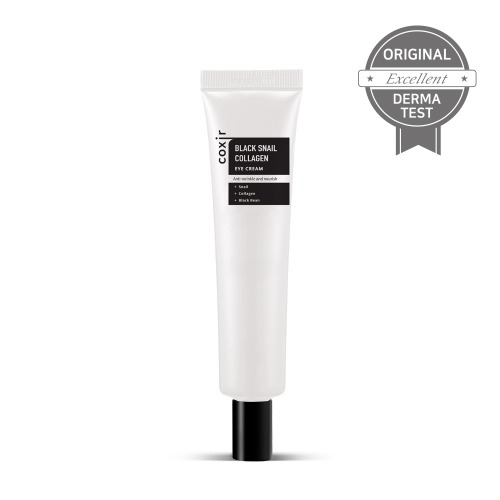
Quick Answer: Yes, Korean eye creams are more effective than regular moisturizers for the delicate periorbital area — but only if you pick the right formula for your concern. Clinical data backs them up: a 12-week trial showed measurable improvements in wrinkle depth, hydration, and brightness using targeted Korean formulations (NCT05807620). Key K-beauty innovations like … Read more
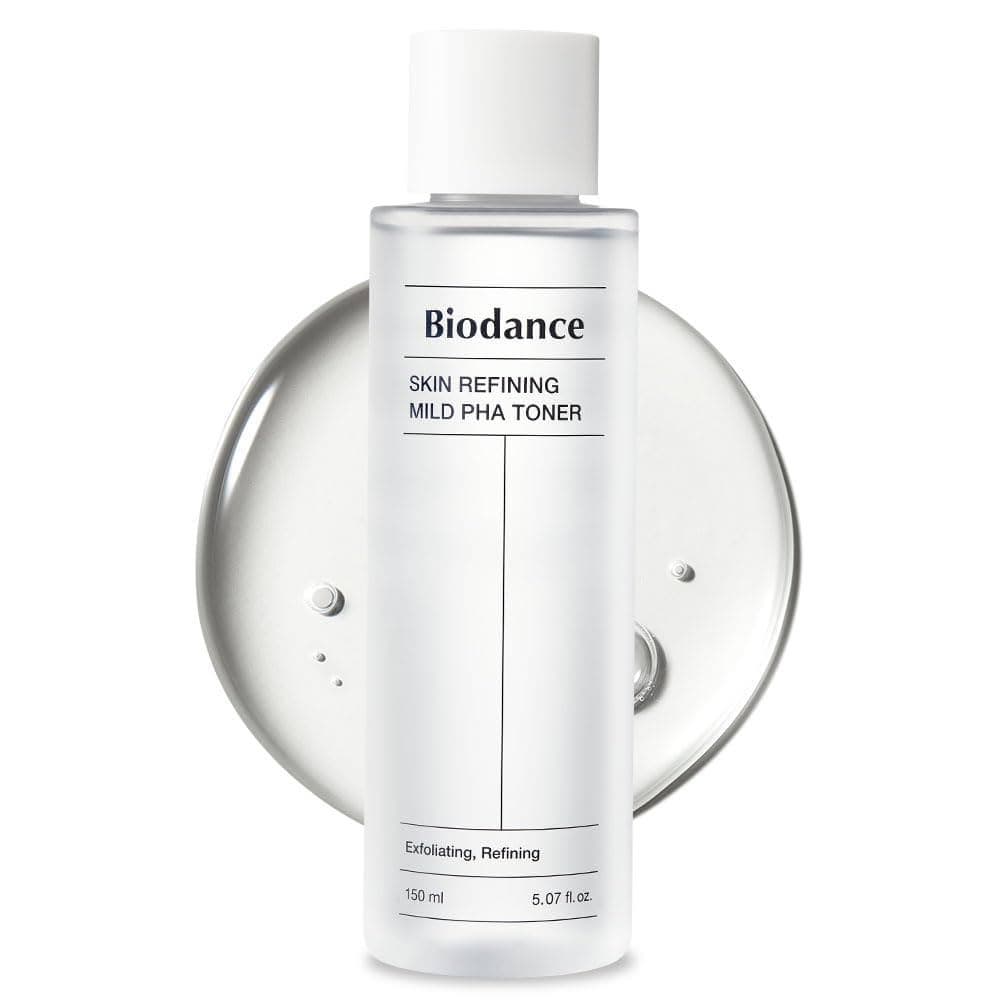
Quick Answer: Exfoliate 1–2 times per week on average, but adjust by skin type: oily 2–3x/week, dry/sensitive 1x/week or every 10 days. Use gentle Korean exfoliators: chemical (BHA up to 3x/week, AHA 1x/week) or gommage peeling gels (1x/week) — never both on the same day. Always exfoliate after cleansing, on dry skin, and follow with … Read more
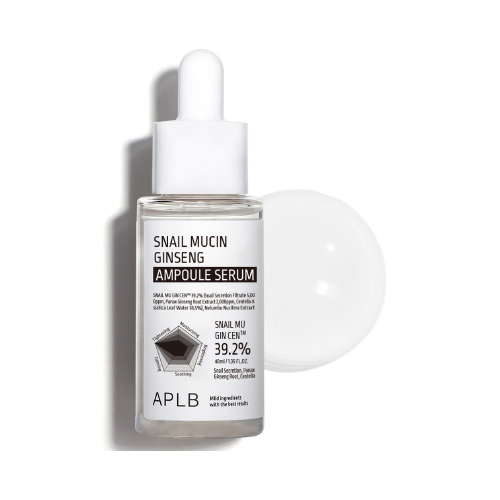
Quick Answer: Snail mucin is the secretion from Cryptomphalus aspersa snails containing hyaluronic acid, glycolic acid, allantoin, and peptides Clinical studies show visible wrinkle reduction and improved elasticity within 4-12 weeks of daily use Best applied to damp skin after cleansing, before heavier creams; safe to use with retinol and vitamin C You’ve seen the … Read more
Quick Answer: Toner goes immediately after double-cleansing and before essence, serum, or moisturizer — it’s Step 3 (or 4 if you exfoliate). Korean toners are hydrating and pH-balancing, not astringent like Western versions. They prep your skin to absorb everything that follows. You can layer it 3–7 times using the 7-Skin Method for extra hydration … Read more
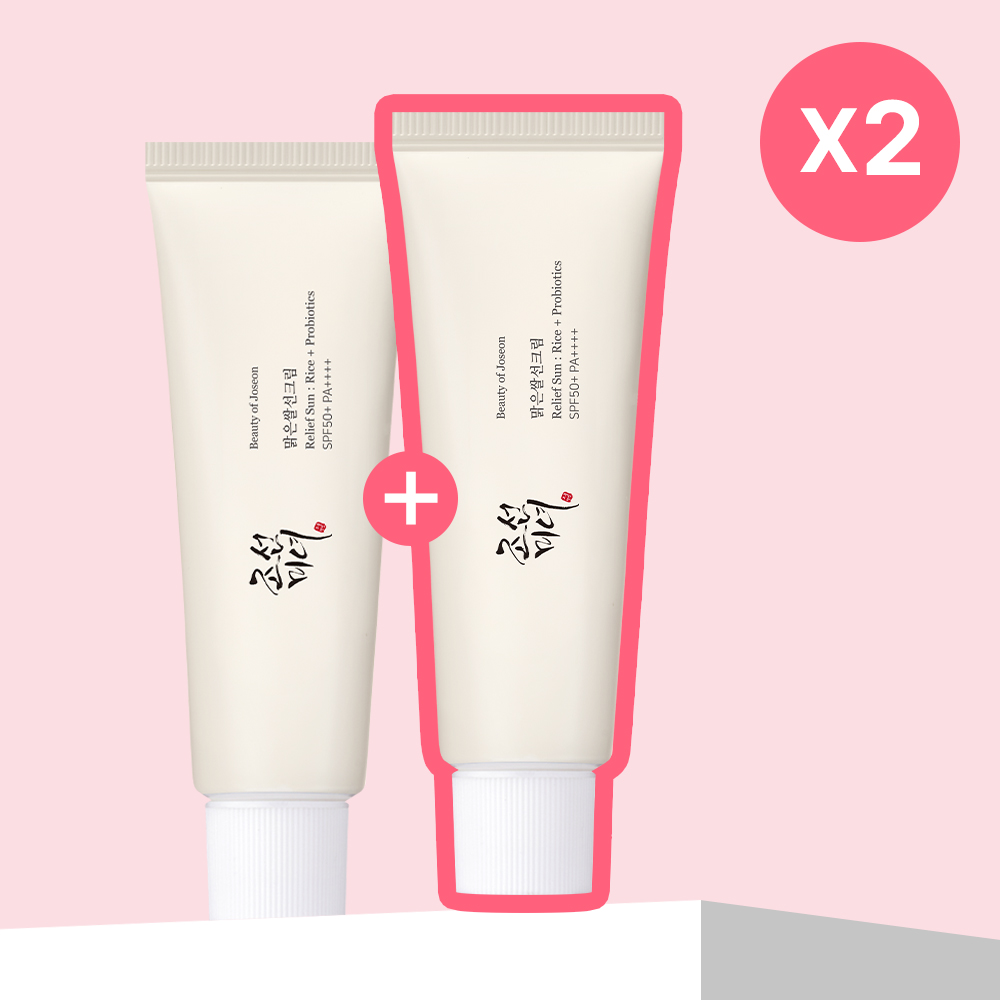
Quick Answer: Why Korean Sunscreens Are Different from Western SPF Quick Answer: Newer, more stable UV filters. Korea approves modern filters like Tinosorb S and Uvinul A Plus, while the FDA hasn’t approved a new filter since 1999. That means Korean sunscreens offer better UVA protection (PA++++) and less photodegradation. Skincare-first philosophy. Korean formulas layer … Read more
Quick Answer: Snail mucin is a secretion rich in allantoin, glycolic acid, hyaluronic acid, antimicrobial peptides, and glycoproteins that hydrates, repairs, and protects skin. Clinical studies show significant reduction in acne lesions over time, improved moisture retention after UVB exposure, and stimulation of collagen and fibronectin production. Ethical collection methods exist (stress-free, non-chemical) and major … Read more