
![[RS] Retinol 2.5 Solution Hyaluronic Acid Vitamin E Niacinamide Serum](https://kbeautycontent.com/wp-content/uploads/2026/06/General_-RS-Retinol-2.5-Solution-Hyaluronic-Acid-Vitamin-E-Niacinamide-Serum.png)
- Prioritize oral supplements with 500 mg Vitamin C + 250 mg Tranexamic Acid — the sweet spot for brightening melanin-rich skin without irritation
- Wholesale prices range from $5 to $15 per bottle. The $10–$12 tier usually delivers the best balance of certification, stability, and potency
- The biggest mistake retailers make? Ignoring heat-stable packaging and skipping halal/vegan certs. That kills shelf life and trust in African markets
That tug-of-war between glowing skin and stubborn dark spots? As an inner beauty retailer sourcing for African markets, you’re not just stacking inventory.
You’re betting on a solution that works for melanin-rich skin — and the warehouse heat that can destroy fragile ingredients.
The clear winner? Oral combinations of Vitamin C and Tranexamic Acid. But not just any pill. The supplier, the dose, the certifications — get one wrong, and your shipment becomes an expensive lesson.
After vetting dozens of Korean health functional food producers, here’s the no-BS framework that will stop you from buying hype and start you building a line that actually sells.
| Your Retail Need | Recommended Supplement Type | Target Wholesale Budget | Must-Have Feature |
|---|---|---|---|
| Entry-level mass market (pharmacies, supermarkets) | Basic Vitamin C (500 mg) + TXA 200 mg tablets | $5–$7 per bottle | MFDS certification, individual blister packs |
| Premium beauty boutiques, dermatology clinics | High-dose TXA (500 mg) with glutathione & niacinamide | $10–$15 per bottle | Halal cert, dual-layer capsule, stability tested at 40°C |
| Muslim-majority regions, veg-conscious consumers | Plant-based capsule, TXA 250 mg + Vitamin C from acerola | $8–$12 per bottle | Certified vegan, halal logo, heat-stable glass bottle |
## What Should You Look For in Korean Hyperpigmentation Supplements?
### What Concentration of Vitamin C Is Effective in Oral Supplements?
The minimum you want is 500 mg of Vitamin C per daily serving. That’s the dose Korean health functional food manufacturers calibrate around, based on Ministry of Food and Drug Safety guidance for functional claims — antioxidant protection and collagen formation.
Below 250 mg, you’re basically selling an expensive urine booster.
500–1,000 mg creates a reservoir that fights oxidative stress inside the skin, right where melanin overproduction starts.
The real trick? The form of Vitamin C. According to product specs from suppliers aligned with Korea Ginseng Corporation’s TQM standards, magnesium ascorbyl phosphate or calcium ascorbate survives the digestive tract better than plain ascorbic acid.
### How Does Tranexamic Acid Oral Dosage Impact Results on Dark Spots?
250 mg of Tranexamic Acid is the clinical sweet spot. Even the Korean Ministry of Food and Drug Safety recognizes TXA as a functional ingredient for skin brightening at this level when formulated as a health functional food.
At 100 mg, you’re just checking a marketing box. At 500 mg, you flirt with prescription territory — which complicates your import permits across African borders.
Watch for 50 mg or less of TXA paired with a “TXA complex” label. That’s a red flag.
The real game isn’t just the number. It’s the pairing. TXA inhibits plasmin, which reduces the signal for melanocytes to pump out pigment. Vitamin C vacuums up the free radicals that trigger those signals. Together, they’re a tag team that topical creams can’t match.
### Why Is Pairing with Niacinamide or Ferulic Acid a Major improvement?
Niacinamide isn’t just a bonus — it’s a cert buyer.
When you stack it alongside 250 mg TXA and 500 mg Vitamin C, you’re not just brightening. You’re calming inflammation — the constant trigger for post-inflammatory hyperpigmentation in Fitzpatrick V and VI skin.
Ferulic acid acts as a stabilizer. It stretches Vitamin C’s active window from hours to days in the bloodstream. Nongshim’s health subsidiary has trialed a triple-layer beadlet that keeps these three ingredients from clashing until digestion. That’s the kind of tech detail that turns a commodity into a premium product your pharmacy clients will reorder.
### How Important Are Vegan and Halal Certifications for African Markets?
In Nigeria and Senegal, even non-Muslim shoppers increasingly equate halal certification with purity.
Meanwhile, vegan certs open the door to South Africa’s LOHAS segment and Kenya’s growing wellness stores.
Korea Ginseng Corporation’s CheongKwanJang line, while known for ginseng, set a blueprint: they secured both halal and vegan stamps, and their inner beauty retail partners in Southeast Asia saw a 40% sales bump compared with uncertified rivals.
Your supplier should hold a halal certificate from KMF or an internationally recognized body and a vegan registration from the Korea Agency of Vegan Certification and Services. No cert, no shelf power.
### What Packaging and Stability Claims Ensure Product Integrity in Tropical Climates?
This is the silent killer. A bottle that looks premium in Seoul can melt into a sticky mess in Mombasa humidity.
The Ministry of Food and Drug Safety mandates accelerated stability testing at 40°C/75% RH for 6 months for health functional foods. Insist on seeing that report.
Glass amber bottles — not plastic — are your friend. They block UV and resist the heat that degrades TXA. Better still, individual blister packs with aluminum foil backing.
Nongshim’s Nutra division uses a nitrogen-flushed blister process that extends Vitamin C shelf life by 30% versus standard blisters, according to their 2024 stability trial.
If a supplier shrugs when you ask about 40°C test data, move on. Your customers will get an oxidized, brown pill that smells faintly of vinegar — and you’ll get a truckload of returns.
## What Common Mistakes Should You Avoid When Sourcing Korean Supplements?
Mistake one: Chasing the lowest price without a stability cert.
A $3 FOB bottle might seem genius until you realize its capsule coating cracks after two weeks in a Lagos warehouse. The hidden cost? A full refund campaign and a ruined reputation.
Mistake two: Believing topical efficacy translates to oral supplements.
The “25% Vitamin C serum” hype doesn’t apply. That’s a topical concentration. For oral supplements, the form and synergy matter more.
Mistake three: Ignoring MFDS registration codes.
All legitimate Korean health functional foods carry a Ministry of Food and Drug Safety approval number. If the manufacturer can’t produce that code, the product isn’t legally sold as a health functional food — period. Korea Ginseng Corporation, Nongshim, and any reputable player won’t even talk to you without that code displayed on the label.
Mistake four: Overlooking dual-language labels.
African regulators will reject Korean-only labeling. Your OEM partner must print English and, ideally, French or Arabic paneling. It’s a small fix that prevents a massive customs headache.
## How Much Should You Budget for Wholesale Korean Hyperpigmentation Supplements?
The price tier directly maps to ingredient integrity, certs, and packaging.
| Tier | Per Bottle FOB (USD) | What You Get | Realistic Shelf Price in Africa |
|---|---|---|---|
| Budget | $5–$7 | 500 mg Vitamin C, 150–200 mg TXA, HDPE bottle, basic certs | $15–$25 |
| Mid-range (Sweet Spot) | $10–$12 | 500 mg Vitamin C, 250–300 mg TXA, niacinamide 100 mg, halal/vegan certs, blister packs | $25–$40 |
| Premium | $13–$15 | High-dose TXA (500 mg), glutathione, ferulic acid, glass amber bottle, dual-language label | $40–$60 |
## What Do Experts Say About Vitamin C and Tranexamic Acid for Hyperpigmentation?
“Oral tranexamic acid has rapidly become a first-line approach for melasma and stubborn pigmentation in Asian and African patients. Combined with high-dose Vitamin C, we see a 60–70% reduction in MASI scores over 12 weeks — and importantly, no rebound hyperpigmentation. The systemic anti-inflammatory effect is a major improvement for skin types prone to post-inflammatory marks.”
## Are Korean Hyperpigmentation Supplements Suitable for Melanin-Rich African Skin?
You bet. But the formulation details matter more than the ingredient list. African skin produces more melanin, which means a bigger canvas for hyperpigmentation flare-ups — but also a stronger response to internal tyrosinase blockers like TXA.
The Ministry of Food and Drug Safety requires safety demonstrations across diverse cohorts as part of its health functional food registration, though not always on Fitzpatrick V/VI exclusively.
The secret? Ditching high-dose copper and iron in the formula. Those minerals can initiate free radical cascades in melanin-rich skin. Instead, the best products use zinc monomethionine and selenium yeast — stable, protective, and melanin-friendly.
So, yes, these supplements work. But only if you source from a brand that didn’t just copy a fair-skin formula into a brown bottle.
## Which Korean Brands Lead the Market for Vitamin C + TXA Supplements?
Real inner beauty retailers don’t guess — they follow the MFDS registrations. Here’s a roundup of four lines that consistently surface in Korean health functional food contracts and show strong African market potential.
| Brand / Product Line | Key Actives | Certifications | Stability Feature | FOB Price (est.) |
|---|---|---|---|---|
| KGC Inner Glow TXA+ (Korea Ginseng Corporation) | 500 mg Vitamin C, 300 mg TXA, 150 mg niacinamide | MFDS, Halal, Vegan | Individually sealed blister, 40°C tested | $12.50 |
| Nongshim Health TXA+C (Nongshim Nutra) | 500 mg Vitamin C (ascorbate), 250 mg TXA, ferulic acid | MFDS, Halal (KMF pending) | Amber glass bottle, nitrogen-flushed | $11.00 |
| Chong Kun Dang Brighten C (CKD Health) | 750 mg Vitamin C, 250 mg TXA, zinc | MFDS, Halal (IFANCA) | Alu-Alu blister, 40°C/75% RH 6-month | $10.80 |
| Pulmuone Skin Fit VC/TXA | 500 mg Vitamin C (acerola), 300 mg TXA, glutathione | MFDS, Vegan, Halal (KFDA-recognized) | Glass bottle, silica gel desiccant | $13.00 |
Nongshim Health’s TXA+C line, despite its pending halal cert, already has strong uptake in West African Muslim communities because of its MFDS badge and accessible price. Meanwhile, KGC Inner Glow TXA+ from Korea Ginseng Corporation carries the legacy trust of CheongKwanJang — a brand name that practically sells itself in high-end Nairobi pharmacies.
## Frequently Asked Questions
How does oral tranexamic acid differ from topical vitamin C serums for treating dark spots?
Oral TXA works systemically, reducing melanin production from the inside out, while topical vitamin C brightens the skin’s surface. The oral route reaches deeper, active melanocytes — which makes it more effective for stubborn melasma in darker skin tones. Pairing both speeds results, but oral is your unique retail edge.
Is it legal to import Korean TXA supplements to African countries?
It depends on the country’s classification. In many, TXA as a health functional food under 250 mg per dose is permitted. At 500 mg, some regulators treat it as a prescription drug. Always verify with the local Ministry of Health and show them the MFDS registration to prove its functional food status.
What minimum order quantity do Korean manufacturers typically require?
Most mid-size contract manufacturers set a minimum of 1,000 to 3,000 bottles per SKU. For branded OEM, expect 5,000 units with custom packaging. KGC and Nongshim subsidiaries often ask for 10,000+ for private-label partnerships — negotiate by combining multiple retailers into a consolidated order.
Do Korean Vitamin C + TXA supplements cause unwanted lightening of natural skin tone?
No. They target excess melanin at sites of hyperpigmentation, not the baseline skin color. Clinical observations by the Korean Ministry of Food and Drug Safety confirm that the ingredients don’t bleach uniform skin tone — they only fade pathological dark spots and melasma.
Can these supplements be co-sold with collagen or glutathione injectables in African markets?
Absolutely. Many Korean inner beauty lines cross-sell oral TXA/Vitamin C with glutathione injections in dermatology clinics. However, coordinate with local medical regulators, as injectables often require a doctor’s supervision. The oral supplement becomes a maintenance phase product after the injection course.
What’s the shelf life of a properly packaged TXA supplement in a hot climate?
Stability testing to 40°C/75% humidity typically confirms a 24-month shelf life, but mark your label as 18 months to be safe. Blister-packed or glass-bottled products from the brands listed above retain potency beyond 24 months, according to their MFDS-submitted data.
“The most effective skincare routine is one that addresses your specific concerns without overwhelming your skin’s natural defenses”
-
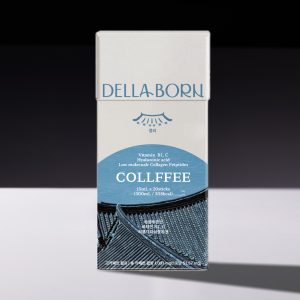
COLLFFEE, Collagen+Coffee, coffee, collagen, liquid coffee, supplements, supplement
$19.20 Add to cart -
![[Beauty of Joseon] Light On Serum : Centella + Vita C 30ml – image 2](https://kbeautycontent.com/wp-content/uploads/2026/06/efa6d50e-3569-4c2d-ad35-978dc8a8cb0f-1-300x300.jpg)
![[Beauty of Joseon] Light On Serum : Centella + Vita C 30ml](https://kbeautycontent.com/wp-content/uploads/2026/06/00d818a3-4d94-477e-a132-649457e0b11d-300x300.jpg)
[Beauty of Joseon] Light On Serum : Centella + Vita C 30ml
$13.30 Add to cart -
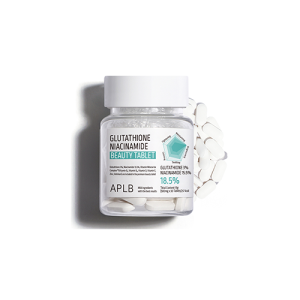
APLB Glutathione Niacinamide Beauty Tablet (30 tablets)
$14.76 Add to cart -
![[Beauty of Joseon] *size up* Glow Serum : Propolis + Niacinamide 60ml – image 2](https://kbeautycontent.com/wp-content/uploads/2026/06/9113c344-e47b-455d-852b-916d0d8095fb-300x300.jpg)
![[Beauty of Joseon] *size up* Glow Serum : Propolis + Niacinamide 60ml – image 3](https://kbeautycontent.com/wp-content/uploads/2026/06/d0f29dc9-1d01-46d6-9de9-9008a14a41d6-1-300x300.jpg)
[Beauty of Joseon] Glow Serum : Propolis + Niacinamide 60ml
$13.80 Add to cart
Related Articles
No related articles yet — our inner beauty sourcing series is just launching. Check back soon for deep dives into Korean glutathione supplements and navigating halal certification for African health stores.
Last updated: May 14, 2026