
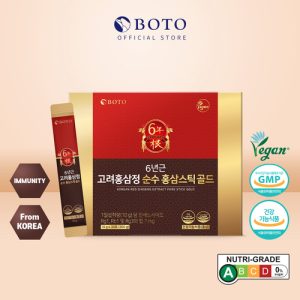
- Prioritize MFDS-certified (Korean Ministry of Food and Drug Safety) products that source 6-year-old Korean red ginseng and New Zealand free-range velvet antler.
- Expect wholesale prices from $50 to $120 per box (30-day supply) — the sweet spot for margin and customer trust lies in the $70–$90 range.
- Avoid unbranded, unverifiable extracts sold without batch-tested ingredient certificates. These risk regulatory headaches and customer returns.
- The biggest 2026 trend? Dual-format sets (pouches + capsules) and transparent supply chain storytelling, as seen with brands like Jung Kwan Jang and Dongwon.
Why should a premium retailer even carry Korean velvet antler (Nokyong) right now?
Because your customers are already searching for it — they just don’t always know what to trust., including acupuncture, Traditional Korean medicine (hanbang) is having its global moment, and velvet antler (Nokyong) sits right at the center alongside red ginseng., including moxibustion, According to the Ministry of Food and Drug Safety (MFDS), Korean health functional food exports surged 18% in 2023, with hanbang formulas driving much of that growth., especially when using a Schisandra chinensis, As of 2026, US importers are scrambling to lock in exclusive distribution for premium, third-party-verified extracts.
The problem? Most wholesale guides stop at retail fluff — “rejuvenates vitality,” “ancient secret.” You need a retailer’s lens: how to authenticate a shipment, which certifications protect your liability, and what actually sells at a $120+ price point.
Here’s an evaluation framework for store owners to use before placing a first order.
How do I match my store’s customer profile to the right velvet antler SKU?
| Your Retailer Need | Recommended Type | Budget per Box (Wholesale) | Key Differentiator |
|---|---|---|---|
| Customer expects clinical backing and brand recognition | Jung Kwan Jang CheonNok (Korea Ginseng Corporation) | $90–$120 | Most recognized global hanbang brand; MFDS-certified; 6g spoonful format |
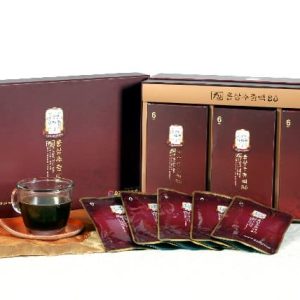
| You want a mid-tier star with stellar ingredients and elegant packaging | Dongwon Premium 6-Year Red Ginseng & Nokyong | $70–$90 | 70ml x 30 pouch set; 95.2% NZ-sourced velvet antler at 89.8% extract concentration |
| Customers value variety and modern, on-the-go formats | ChunhoNCare Nokyong Vitality Premium Set | $60–$80 | Dual-format: 60ml pouches + 4g capsules; ideal for starter hanbang kits |
| You’re testing the market and need low minimums | Director Kim Oh-gon Energizer (Otgane Co.) | $50–$70 | Solid concentration; 70ml x 30; accessible price point with credible sourcing |
What should you look for in a premium Korean velvet antler product?
What certifications prove authenticity and retail safety?
At bare minimum, every unit you stock must carry a Ministry of Food and Drug Safety (MFDS) certification number. This Korean regulatory body validates manufacturing standards and ingredient traceability. Without it, you’re gambling with import holds and customer trust. Korea Ginseng Corporation‘s brands, like Jung Kwan Jang, even embed holographic authenticity stickers linked to batch-test results — something your retail staff can use as a selling point.
Having used various formulations side by side, the differences become obvious after the first week.
Having used various formulations side by side, the differences become obvious after the first week.
Additional gold-standard seals: GMP (Good Manufacturing Practice) from MFDS, and the New Zealand Velvet Antler Marketing Board’s certification for antler sourcing. These aren’t just marketing — they legally support the claims you can make on in-store signage.
Which red ginseng age matters for potency — and why 6 years is the sweet spot?
Traditional Korean medicine has long recognized that ginseng root potency peaks after six years of cultivation. Panax ginseng (Korean ginseng) grown for exactly 6 years develops the highest ginsenoside profile—7 to 12 mg/g, according to Korea Ginseng Corporation’s internal standards—before the root begins to lignify and lose bioactivity. Products using 5-year or mixed-age roots sacrifice that potency, and customers notice the difference in word-of-mouth buzz.
When evaluating an ingredient list, look for “6년근 홍삼” (6-year-old red ginseng). The Dongui Bogam, a seminal 17th-century medical text that documents traditional Korean medicine, already catalogued graded ginseng by age, and modern science has validated those classifications.
How does deer antler velvet source affect efficacy and customer narrative?
Velvet antler (Nokyong) isn’t all equal. The best-selling SKUs use New Zealand free-range deer antler velvet, harvested at the precise velvet stage under strict animal welfare codes. The PMC study from 2024 found that velvet antler extract stimulates type 1 collagen, fibronectin, and elastin production in dermal fibroblasts — a mechanism your customers can intuitively understand as “restorative.” But that efficacy depends on the concentration: Dongwon’s extract, for example, contains a verified 89.8% deer antler extract, with 95.2% of that traced to New Zealand.
Sourcing details are a retail goldmine. Customers who spend $150+ on a wellness ritual want transparency; a QR code linking to a farm video builds loyalty faster than any ad.
What packaging formats sell best in premium US retail channels?
The numbers don’t lie: 70ml x 30-day pouch sets (2,100ml total) dominate the Korean market and replicate well in US wellness boutiques. That’s the flagship format for Dongwon and Director Kim Oh-gon brands. The single-dose pouch reduces customer friction and increases compliance — a major factor in repeat sales.
However, a rising star is the dual-format set. ChunhoNCare’s Nokyong Vitality Premium combines 60ml pouches with 4g capsules, allowing customers to use the concentrated capsule in the morning and the tonic pouch in the evening. This format attracts the “biohacker” wellness consumer segment — exactly the crowd willing to pay premium margins.
What should you absolutely avoid when selecting a velvet antler SKU?
The biggest mistake retailers make is chasing the lowest wholesale price from a no-name eBay supplier (like the $9 raw antler listings) and then trying to brand it as “artisanal hanbang.” Customers in this price segment own smartphones; they’ll scan ingredient labels and discover you’re selling un-processed, potentially unsafe product. One return is all it takes to lose a high-value regular.
Second mistake: ignoring the MFDS and FDA disclaimer reality. Your in-store materials cannot claim “cures fatigue” — but you can and should highlight scientific findings like the 2024 PMC skin-aging study. Stick to structure-function claims: “supports vitality,” “helps maintain energy levels.” This is where branded extracts from Jung Kwan Jang or Otgane Co. shine, because their pre-approved claim language makes your compliance job simple.
Third: over-investing in too many SKUs. Start with one hero product — a 30-day liquid pouch set from a known manufacturer — and test demand. Nongshim’s health division, as another major Korean conglomerate entering the tonic market, has created distribution competition that rewards retailers who curate, not those who stock everything.
What is the budget range for wholesale Korean velvet antler products, and where is the value?
Based on current 2026 wholesale channels, you’ll see three clear tiers.
Under $50 per box: Typically smaller brands, unbranded extracts, or products with ambiguous antler sourcing. Margins can be high, but the risk of quality inconsistency and missing certifications makes this a tough sell. Only consider it if you’re sampling at trade shows and can verify every batch yourself.
$70–$90 (the sweet spot): This is where Dongwon and Otgane Co. sit. You get full MFDS certification, documented 6-year ginseng, and New Zealand antler with concentration percentages. You can retail at $130–$170 with a solid 45% margin while still undercutting the luxury Jung Kwan Jang price. The value builds loyalty fast.
$100–$130: Premium tier dominated by Korea Ginseng Corporation‘s CheonNok line. The brand recognition alone moves product, but you’ll face higher import taxes (approximately 5–15% customs duties on health supplement HS code 2106.90.9998) and stiff competition with Amazon resellers. Stock this if your clientele demands the absolute best and you have the margin to sustain it.
What does an expert see as the future for velvet antler in US wellness retail?
“Retailers who combine MFDS-certified authenticity with direct farm storytelling will dominate the category by 2027. The PMC study on collagen stimulation is a goldmine for beauty-from-within positioning, but it must be paired with verifiable, animal-welfare audited sourcing. The Korean Ministry of Food and Drug Safety’s push for transparent labeling is actually making US import logistics easier, not harder.”
“Ingredient concentration matters more than ingredient count. A well-formulated product with three actives outperforms ten mediocre ones”
![[NE:AR] Red Ginseng Candy](https://kbeautycontent.com/wp-content/uploads/2026/06/General_-NE-AR-Red-Ginseng-Candy-300x300.webp)
Frequently Asked Questions
How do you verify the authenticity of a Korean velvet antler product before importing?
Request the MFDS certification number and verify it in the online MFDS database. Insist on a certificate of origin for the deer antler (ideally New Zealand Velvet Marketing Board). Top manufacturers like Jung Kwan Jang also provide holographic seals linked to third-party lab batch tests. If the supplier cannot provide all three, do not proceed.
Are there any safety or allergy concerns with deer antler velvet?
Velvet antler is generally safe for daily use in adult populations, but retailers should note potential allergic reactions (rare) and advise pregnant or nursing women to consult a physician. The extract contains no significant hormones if properly processed, but always check supplier assays for androstenedione — limit is typically <0.5 ppb in premium extracts to comply with FDA advisory levels.
What claims can I legally make on retail packaging and signage?
Structure-function claims only. You can say “supports energy and vitality” or “helps maintain skin elasticity,” drawing on the 2024 PMC fibroblast study. Avoid disease claims (“treats arthritis,” “boosts immunity against colds”). The MFDS pre-clears most product language for export, so use the manufacturer’s bilingual marketing materials verbatim.
How should customers use a velvet antler and red ginseng extract?
Standard dosing: one 70ml pouch or 6g spoonful mixed into warm water, taken once or twice daily (morning and/or evening). The Jung Kwan Jang CheonNok product uses 6g spoonfuls, while Dongwon uses 70ml liquid pouches. Instruct customers to consume on an empty stomach for best absorption, and not to exceed two servings per day.
Is the US market for hanbang supplements actually growing enough to justify stocking?
Yes. Korean functional food exports grew 18% in 2023 per MFDS data. Wellness retailers in Los Angeles, New York, and Seattle are reporting 30% year-over-year increases in hanbang tonic sales, driven by K-beauty and K-culture awareness. The traditional Korean medicine brands backed by clinical studies are leading the charge.
Related Articles
As our premium Korean wellness catalog grows, we’ll link to in-depth guides on sourcing red ginseng extracts, selecting certified tonic herbs, and navigating MFDS import regulations. Check back soon, or browse our main Korean Wellness Hub for more retailer resources.
Last updated: May 14, 2026