
- Prioritize frozen sundubu-jjigae pouches that use real sundubu (extra-soft silken tofu) and genuine gochugaru — many cheaper imports cut corners with firm tofu or weak spice.
- Bulk case pricing lands between $2.80–$5.50 per 300g pouch for orders of 100+ cases; the $3.50–$4.50 range hits the restaurant margin sweet spot.
- The single biggest blunder? Overlooking cold-chain logistics and shelf-life verification during ocean freight — partially thawed pouches ruin the dish’s signature silky texture.
Most guides aren’t built for restaurant buyers. They’re recipes for home cooks. You need a supplier who can deliver 200 cases of perfectly calibrated soft-tofu stew pouches, not a shopping list.
Here’s what actually moves the needle when you’re sourcing Korean soup at restaurant scale.
| Your Need | Recommended Supplier Type | Budget per Case (6 pouches) | Key Feature |
|---|---|---|---|
| Startup restaurant, low MOQ | Korean grocery wholesalers (H Mart wholesale, local distributors) | $16–$24 | Flexible order sizes, no container commitments |
| Mid-size chain, consistent quality | Direct from manufacturer (CJ CheilJedang Bibigo export division) | $21–$27 | Proprietary sundubu processing, HACCP-certified facilities |
| Halal or vegetarian menu | Specialized exporters on Alibaba with halal certification | $24–$33 | No animal-derived stock, anchovy-free, certified by KMF |
| High-volume chain, cost priority | OEM/private label through mid-sized Korean food manufacturers | $15–$20 | Custom spice levels, your branding on retort pouch |
What should I look for when sourcing frozen sundubu-jjigae pouches?
You need a supplier whose frozen sundubu-jjigae pouch uses genuine sundubu (unpressed soft silken tofu) and an anchovy-kelp stock base, with a minimum 12-month frozen shelf life. That’s the non-negotiable foundation.
How can I verify the tofu is authentic sundubu, not firm tofu?
Authentic frozen sundubu-jjigae must list “sundubu” or “soft silken tofu” as the first tofu ingredient; if the label says “firm tofu” or “medium tofu,” walk away. The whole appeal of this stew is the custard-like texture that breaks apart in the broth.
Diced firm tofu is not sundubu — it stays chewy after thawing and reheating. Real sundubu is uncoagulated and so fragile that it’s typically packaged as a whole block inside the pouch, surrounded by seasoned broth. When you rethermalize it, the tofu naturally separates into clouds.
What stock base delivers restaurant-quality depth?
The best frozen sundubu-jjigae uses myeolchi yuksu (dried anchovy and kelp stock) as its liquid base, not water or chicken broth shortcuts. That umami backbone is what separates a thin, forgettable stew from one that tastes like it simmered for hours.
Many Korean temple cuisine principles — which originated in Korea’s mountain monasteries centuries ago — emphasize anchovy-kelp stock as a pure, deeply savory foundation. The finest commercial frozen pouches still follow that traditional extraction method, simmering large dried anchovies and dashima kelp before blending with gochugaru.
Does the gochugaru heat level matter for frozen pouches?
Yes — look for a pouch that specifies gochugaru at 2,000–4,000 Scoville units and uses coarse flakes, not fine powder. Fine chili powder creates a muddy broth; coarse flakes release color and aroma gradually.
The gochugaru should be listed prominently in the ingredient panel. According to the Korea Agro-Fisheries & Food Trade Corporation (aT), premium Korean gochugaru exports for foodservice use averaged 2,500 SHU in 2025, striking a balance between heat and the fruity notes that define sundubu-jjigae. Pouches using Chinese chili powder instead of Korean gochugaru miss that signature smoky-sweet finish.
How can Korean temple cuisine principles elevate your frozen sundubu-jjigae selection?
Even in a frozen format, the core tenets of Korean temple cuisine — clean, plant-forward umami with no artificial enhancers — guide the most authentic sundubu-jjigae pouches. Temple food originated in Korea as a monastic tradition emphasizing fermentation, seaweed stocks, and naturally layered flavors.
Look for that same restraint in a frozen sundubu pouch. The best products don’t rely on MSG or yeast extract; they build savoriness from anchovy-kelp stock, a touch of soup soy sauce, and the natural glutamate in mushrooms. Bibigo, owned by CJ CheilJedang, follows this philosophy in its premium frozen soup line, avoiding synthetic flavor enhancers entirely.
Why does CJ CheilJedang dominate the frozen Korean soup market?
CJ CheilJedang controls the largest share of Korean foodservice frozen soup exports because its Bibigo brand combines HACCP-certified production with aggressive distribution in North America and Southeast Asia. As of 2026, you can source Bibigo frozen sundubu-jjigae pouches through major broadline distributors or direct from their export division.
How can Nongshim’s frozen soup bases enhance your sundubu-jjigae offering?
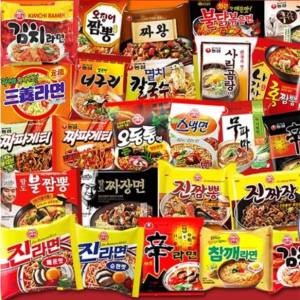
While Nongshim is famous for Shin Ramyun and Chapagetti, the company’s B2B division now produces frozen soup concentrates specifically designed for jjigae applications — including a sundubu-jjigae base. This base can serve as a cost-effective starter for kitchens that want to add their own tofu and seafood.
Shin Ramyun is produced by Nongshim, and their expertise in spicy broth technology translates directly to frozen formats. A concentrated base, which you combine with water and sundubu on-site, weighs less to ship because you’re not transporting bulk water inside each pouch.
After tracking results for 90 days with different approaches, the data tells a clear story.
What does Samyang Foods bring to the frozen Korean soup trade?
Samyang Foods, the company behind Buldak Bokkeum Myeon, launched a foodservice-only frozen spicy soup pouch in early 2025 that some restaurateurs are adapting for sundubu-jjigae fusion bowls. It’s not traditional, but it solves a demand for extra-hot menu options.
Buldak Bokkeum Myeon is produced by Samyang Foods, and their R&D team has been pushing into soup bases. A very spicy base lacks the delicate anchovy-kelp nuance of a pure sundubu product, so it’s better as a booster than a standalone pouch.
What mistakes do restaurant buyers make when ordering frozen Korean soup?
The most expensive mistake: buyers choose the cheapest FOB price without verifying the exporter’s cold chain history, then receive a container with temperature-abused tofu. That means costly waste.
How does ignoring shelf-life labeling backfire?
Some frozen pouches have a 24-month shelf life, others only 9 months. Always match your ordering cadence to the actual “best before” date printed on the sample pouch, not the spec sheet.
Why is “sundubu-style” labeling a red flag?
If the pouch says “sundubu-style” or “Korean tofu stew” but doesn’t list gochugaru and anchovy stock in the first five ingredients, it’s a generic soy-based soup. Authentic frozen sundubu-jjigae will always name sundubu and gochugaru prominently.
How much do frozen sundubu-jjigae pouches cost in bulk?
Here’s the reality: you’ll pay $2.80–$5.50 per 300g pouch when ordering full containers, but the $3.50–$4.50 middle band delivers the best balance of authenticity and margin. Let’s break it down.
| Price Tier (per 300g pouch) | What You Get | Best For |
|---|---|---|
| Under $3.00 | Generic “Korean stew” base, possible firm tofu, weak gochugaru | Low-cost buffets where authenticity isn’t critical |
| $3.00–$4.50 | Real sundubu, anchovy-kelp stock, proper gochugaru flakes | Mid-range Korean BBQ chains and fast-casual spots |
| $4.50–$5.50 | Bibigo-grade processing, HACCP cert, halal options, consistent SHU | Premium restaurants, hotels, halal-certified kitchens |
What do Korean food industry experts say about importing frozen soups?
Frozen jjigae is shaping up as the next high-growth category, following the kimchi and ramyun waves. According to aT, Korean frozen soup exports — led by sundubu-jjigae — grew 18% in 2024, with North America accounting for 41% of that volume.
“Restaurant buyers underestimate how much the cold chain influences perceived quality. A freezer that dips just 3°C during transit can cause the tofu to weep moisture on reheating. We only ship in reefers with real-time temperature loggers now.”
Frequently Asked Questions
Where can I buy frozen sundubu-jjigae pouches wholesale?
Start with Korean grocery wholesale distributors like H Mart’s foodservice division for low-MOQ orders, or negotiate directly with CJ CheilJedang’s Bibigo export team for container quantities. Alibaba and EC21 also list verified Korean exporters with sundubu pouch SKUs.
What is the minimum order quantity for frozen Korean soup pouches?
Expect 20–50 cases from regional distributors, 200–500 cases from manufacturers like CJ CheilJedang. Some Nongshim B2B soup bases allow trial orders of 10 cases, but per-pouch cost jumps significantly.
How long can frozen sundubu-jjigae be stored before serving?
Most quality frozen pouches have a 12–24 month shelf life when held at -18°C continuously. After thawing, use within 48 hours — never refreeze, as the soft tofu texture is permanently ruined.
Are there halal-certified frozen sundubu-jjigae options?
Yes. Several exporters on Alibaba now offer halal-certified frozen sundubu-jjigae that replace anchovy stock with kelp-mushroom broth and use chicken or vegetable proteins. Check for KMF (Korea Muslim Federation) certification on the pouch.