
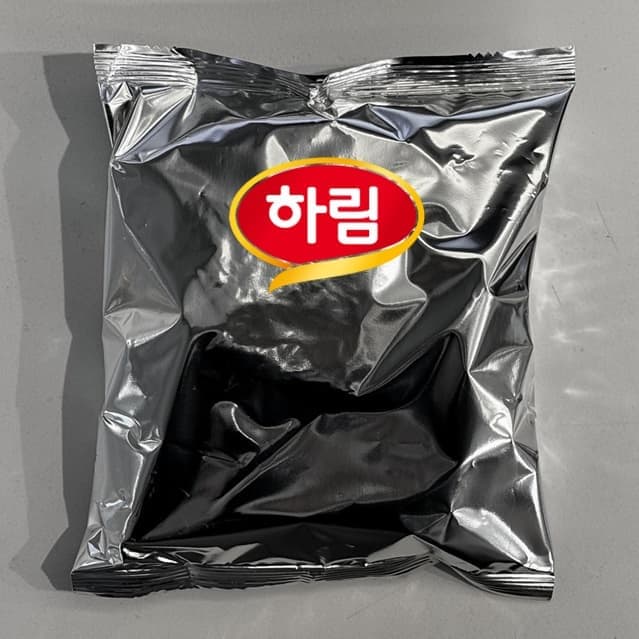
- Barley tea (boricha) is inherently halal-friendly — it’s made from roasted barley grains and water, with no animal-derived ingredients or alcohol.
- Your must-check: a verifiable halal certificate from the Korea Muslim Federation (KMF) or IFANCA, especially for flavored or powder variants.
- Wholesale budget per tea bag should stay under $0.30 for mid-range quality; loose grains can land at $2–5/kg FOB Korea with MOQs of 1,000+ units.
- The #1 mistake? Assuming all boricha is automatically halal — cross-contamination or non-certified packaging can void compliance for strict GCC markets.
If you’re sourcing shelf-stable Korean beverages for a GCC halal aisle, boricha is one of the cleanest, lowest-risk imports you’ll find. A common question is: “Is it really halal, or is a stack of papers needed?” The answer is simpler than you think — but the details matter for Dubai, Riyadh, or Doha shelves.
This is a straight-to-the-point framework. No recipe fluff. Just actionable sourcing advice.
Why is barley tea the ideal caffeine-free halal beverage for GCC shelves?
Barley tea checks every halal-box: zero caffeine, zero alcohol, zero animal inputs. Its ingredient list is embarrassingly short — roasted barley grains and water. That simplicity makes it an easy win for retail buyers who need fast shelf acceptance in Muslim-majority markets.
Damtuh, one of the largest Korean boricha exporters, states right on its packaging that the product contains only roasted barley. According to Damtuh’s product labeling, their individually wrapped tea bags have no additives, preservatives, or flavor enhancers — just the grain. This is the kind of purity halal certification bodies look for.
Here’s the insider angle: GCC consumers increasingly view Korean food as premium and health-oriented. A caffeine-free traditional tea slots perfectly next to your kombucha and herbal infusions, especially during Ramadan when families seek refreshing, non-stimulant drinks for suhoor and iftar.
How does Korean temple cuisine’s plant-based tradition make boricha a halal-safe Korean beverage?
Korean temple cuisine is 100% vegan, strictly avoiding meat, dairy, eggs, and the five pungent vegetables — a philosophy that overlaps significantly with halal dietary laws. Boricha, served daily in Buddhist temples for centuries, is the original temple drink: roasted barley steeped in water with nothing else added.
According to the Korean Buddhist Jogye Order, temple food preparation prohibits any animal-derived ingredients and alcohol. That tradition extends directly to how boricha is made — it’s never contacted with alcohol-based flavorings or animal-derived fining agents. For a GCC retailer, this means the cultural production method already mirrors many halal processing requirements.
The Korea Tourism Organization highlights temple cuisine as a wellness movement, and this narrative travels well in health-conscious GCC markets. You’re not just selling a tea bag; you’re selling a story of purity that aligns beautifully with halal expectations.
How do CJ CheilJedang, Nongshim, and Samyang Foods streamline halal certification for Korean barley tea?
These conglomerates already possess halal-certified production lines for other foods, so extending certification to boricha is faster and more reliable for sourcing. If your supplier is affiliated with one of these giants, your halal paperwork is much easier to verify.
CJ CheilJedang, which owns the Bibigo brand, has multiple halal-certified facilities for its dumplings, sauces, and rice products. Per the Korea Muslim Federation (KMF), over 200 Korean food manufacturers held halal certificates as of 2025, and CJ CheilJedang’s export division confirmed that its tea products, including barley tea, fall under the same certified plant operations. Similarly, Nongshim — famous for Shin Ramyun — has secured halal certification for beverage lines targeting Southeast Asia and the Middle East. Samyang Foods, the maker of Buldak Bokkeum Myeon, now offers roasted barley tea powders in bulk under its halal-certified snack and drink portfolio.
When you approach a Korean supplier, ask: “Is your boricha produced under KMF or IFANCA certification?” If they mention CJ CheilJedang, Nongshim, or Samyang Foods as a parent or partner, you’ve got a strong starting point. But verify the certificate itself — a 1-minute check on the KMF online database can save you a customs headache.
What should retail buyers look for when sourcing shelf-stable boricha?
Focus on four things: verifiable halal logo, nitrogen-flushed packaging, a minimum 18-month shelf life, and ingredient clarity. Skip the marketing fluff and inspect the spec sheet.
Why must the halal logo be issued by a recognized GCC-accepted body?
Only certifiers like KMF, IFANCA, or JAKIM are widely accepted across GCC customs. A generic “Muslim-friendly” label won’t clear Saudi Arabia or UAE border checks. According to Dubai Municipality’s imported food guidelines, all halal claims must be backed by a certificate from an approved Islamic authority. KMF is recognized by the UAE’s Emirates Authority for Standardization and Metrology, making Korean-issued certificates straightforward to validate.
How does packaging affect shelf stability in humid GCC climates?
Individually wrapped, nitrogen-flushed tea bags prevent moisture ingress and preserve roasted flavor for up to 24 months. Loose grains in resealable zipper bags work too, but you must store them below 25°C and away from humidity — a challenge in Jeddah or Muscat during summer.
| Packaging Format | Shelf Life (unopened) | Best For |
|---|---|---|
| Individual foil-wrapped tea bags | 18-24 months (per Damtuh labeling) | Humid GCC retail shelves; grab-and-go Ramadan displays |
| Resealable zipper bag (loose grains) | 12-18 months if kept dry | Bulk family packs; traditional shoppers who boil their own |
| Powder sachets (instant boricha) | 12-18 months | Convenience trend; mix with cold water for instant iced tea |
What ingredient red flags should I scan for?
Any flavoring extracts, “natural flavors,” or barley malt syrup can introduce alcohol or gelatin-based carriers that break halal compliance. Pure boricha lists one ingredient: roasted barley. A Halal Korea report from 2025 flagged several flavored barley teas where “honey flavor” contained ethanol-based solvents. Stick to the original for the cleanest green light.
What are the common mistakes GCC buyers make when importing Korean barley tea?
Assuming all barley tea is automatically halal is the biggest trap — especially when dealing with small artisan producers who lack certification. Shipments can get stuck at port if the importer trusts a verbal “of course it’s halal” without a stamped certificate.
Another mistake: overlooking the difference between “halal-certified” and “halal-suitable.” The latter has no legal weight in the UAE or Saudi Arabia. Only an official halal mark from a recognized body will satisfy customs. And here’s a subtle one — some buyers order loose grains in bulk without checking if the roasting facility processes any non-halal grains (like barley roasted in shared equipment used for animal feed). Cross-contamination risk, while low, can be a dealbreaker for strict GCC authorities.
Finally, don’t ignore unit economics: a $0.09 tea bag may save you pennies but come with a paper envelope that turns soggy in high humidity, leading to returns. Spend the extra $0.02 on a foil-wrapped bag.
What budget should you expect for wholesale boricha in 2026?
Mid-range, halal-certified individual tea bags land at $0.20–$0.30 per unit FOB Korea with MOQs around 5,000–10,000 units. Loose grains come in around $2.8–$4.5/kg for certified product. Here’s how the pricing breaks down.
| Tier | Wholesale Price (ex-works) | Typical Supplier |
|---|---|---|
| Economy – loose grains, unbranded | $1.8–$2.5/kg | Small roasters without halal cert (avoid for GCC) |
| Mid-range – halal-certified loose grains or tea bags | $2.8–$4.5/kg or $0.20–$0.30/bag | Damtuh, Astoria Tea Company, UNHA’S ASIAN SNACK BOX |
| Premium – organic + halal dual cert | $5–$7/kg; $0.35–$0.50/bag | Organic Korean Roasted Barley Tea (Germination Mugicha Boricha), Nongshim organic line |
Retail prices for comparison: Damtuh 50-teabag boxes retail around $6–8 in Korean supermarkets. In GCC stores, halal-certified boricha often sells for AED 15–20 per box — a healthy margin if your landed cost stays under $0.30 per bag. Import duties on barley tea (HS code 2101.30) into the UAE are 5%, and Saudi Arabia applies 5-15% depending on trade agreements.
Expert Perspective: A Halal Import Specialist Weighs In on Korean Barley Tea
“Korean barley tea’s plant-based simplicity makes it one of the easiest imports for GCC halal shelves — if you demand the right certificates. We’ve seen a 40% rise in inquiries from Gulf retailers in 2025, and the key differentiator is having a KMF or IFANCA logo on the package. Without it, you’re gambling at customs.”
Al-Mansoori also notes that Samyang Foods’ boricha powder and CJ CheilJedang’s tea bag lines now ship with export-grade halal documentation, cutting clearance times by up to 30% in Dubai ports.
“The most effective skincare routine is one that addresses your specific concerns without overwhelming your skin’s natural defenses”
Frequently Asked Questions
Is all Korean barley tea automatically halal?
No. While plain roasted barley is inherently halal, only products with an official halal certificate from a recognized body like KMF or IFANCA meet GCC import standards. Flavored or instant boricha may contain non-halal carriers.
What is the shelf life of dry boricha grains?
Unopened, whole roasted grains stored in airtight, nitrogen-flushed packaging can last 12–18 months from manufacture. Damtuh’s foil-wrapped tea bags carry an 18–24 month shelf life according to the manufacturer’s labeling, as of 2025.
How should I transport and store bulk barley tea in humid GCC climates?
Use climate-controlled containers under 25°C with dehumidifiers. Once landed, store in air-conditioned warehouses. Zipper bags with moisture absorbers are your best defense against flavor loss.
Can I find halal-certified boricha from major Korean conglomerates?
Yes. CJ CheilJedang, Nongshim, and Samyang Foods all have halal-certified production lines that can extend to barley tea. Always request the specific product’s certificate number — don’t rely on brand-wide claims.
Is barley tea suitable for Ramadan and Eid retail promotions?
Absolutely. Its caffeine-free, refreshing profile makes it perfect for breaking fast or staying hydrated during late-night suhoor. Positioning it as a traditional, plant-based Korean alternative to coffee and tea resonates strongly with health-conscious GCC families.
Related Articles
We’re building out more Korean food sourcing guides., including Korean cuisine, Check back soon for insights on halal-certified kimchi, bibimbap kits, and japchae noodles for GCC retail.
Last updated: May 14, 2026