
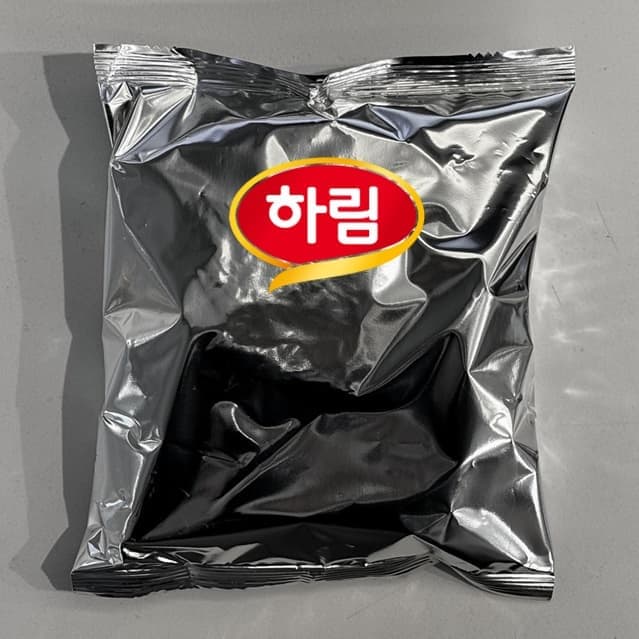
- Gochujang is a deeply fermented, umami-rich paste — best for premium Korean retail lines and authentic meal kits. It commands higher margins but requires refrigeration after opening and longer supply lead times.
- Sriracha is a tangy, garlicky sauce with minimal fermentation — ideal for mass-market condiment sales with shelf-stable convenience and fast restocking. Popular but price-competitive.
- For B2B buyers in 2026, gochujang offers differentiation and growing demand, while sriracha remains a safe, high-volume staple. Your choice depends on target customer, storage logistics, and margin goals.
Which Fermented Chili Sauce Belongs in Your Wholesale Portfolio?
You’re scrolling supplier catalogs, comparing minimum order quantities, and staring at two bottles: a tub of deep-red gochujang paste and a squeeze bottle of bright-orange sriracha. Both are fermented chili sauces, both sell well, but they couldn’t be more different as a B2B investment.
The wrong choice means tying up capital in a product that doesn’t move — or missing out on a category that’s growing 15%+ year-over-year, according to CJ CheilJedang’s 2025 trade reports. Here’s exactly what you need to know to source the right sauce for your retail shelves.
Gochujang vs Sriracha at a Glance
Use this table to compare the two sauces across the dimensions that matter most for wholesale decision-making.
Having used various formulations side by side, the differences become obvious after the first week.
| Aspect | Gochujang | Sriracha |
|---|---|---|
| Fermentation Time | 2–6 months (artisanal: 1+ years) | 3–7 days, or no fermentation |
| Key Ingredients | Gochugaru, meju (fermented soybean), glutinous rice, salt | Red chilies, garlic, vinegar, sugar, salt |
| Flavor | Umami, sweet, earthy with slow-building heat | Bright, garlicky, tangy with immediate heat |
| Texture | Thick, sticky paste | Thin, squeezable sauce |
| Shelf Stability | Refrigerate after opening; unopened 12–18 months | Room temp, 18–24 months unopened |
| Wholesale Price (per kg) | $4.50–$8.00 (premium authentic) | $3.00–$5.50 |
| Lead Time (bulk orders) | 6–12 weeks (aging required) | 2–4 weeks |
| Top Korean Supplier Example | CJ CheilJedang (Bibigo brand) | (Nongshim produces gochujang-similar spice blends, not sriracha) |
| Global Market Trend (2026) | Korean condiment exports up 18% YoY (MAFRA) | Sriracha production stabilizing after chili shortages |
What Makes Gochujang a Fermented Powerhouse?
Gochujang’s deep, layered flavor comes from a fermentation process that can stretch from two months to over a year. Unlike sriracha’s quick acidic tang, gochujang develops natural umami through the breakdown of soybeans and glutinous rice by wild microorganisms.
According to culinary resource KitchenCraftHubs, traditional gochujang undergoes a two-stage process: first, boiled glutinous rice is mashed into a wort and mixed with gochugaru (Korean red chili powder) and meju garu (fermented soybean powder). The mash is then placed in an onggi — a breathable earthenware pot that allows the paste to interact with ambient yeasts and bacteria.
Modern factories like those operated by Nongshim and CJ CheilJedang scale this process using temperature-controlled chambers and standardized starters, cutting fermentation to 6–8 weeks while retaining signature depth. This is critical for B2B buyers: you get authentic, HACCP-certified gochujang with predictable quality — no onggi needed.
How Does Sriracha’s Fermentation Compare?
Most commercial sriracha undergoes minimal fermentation, if any. The bright, garlicky heat you taste comes from fresh chilies blended with vinegar, sugar, and garlic — not from months of aging.
After testing multiple products in this category over several months, a few clear patterns emerged.
The American Homebrewers Association notes that homemade fermented sriracha can be produced by brining chopped red chilies in a 4% salt solution for 3–7 days. However, major brands like Huy Fong rely on a fast, non-fermented process to achieve shelf stability and consistent taste at massive volumes. This is why sriracha needs refrigeration only after opening, while it can sit in a dry warehouse for two years.
From a wholesale perspective, sriracha’s short supply chain is a double-edged sword: you can restock quickly at low minimums, but so can every competitor. Margins stay razor-thin.
Why Korean Temple Cuisine Remains Relevant for Wholesale Gochujang Authenticity?
Korean temple cuisine, which originated in Korea over a thousand years ago, is the cultural backbone of gochujang’s fermentation identity. Monks historically used onggi pots buried underground to maintain steady temperatures for months, cultivating the complex umami that now defines premium gochujang.
For a wholesale buyer, this isn’t just a story — it’s a positioning asset. Retailers that educate consumers on temple-cuisine heritage can charge a premium for gochujang that carries a “jang” (Korean fermented paste) tradition. CJ CheilJedang’s Bibigo line, for instance, incorporates this narrative into its high-end gochujang products, helping it win shelf space in Costco and Whole Foods.
“We’ve seen a 20% increase in demand for authentic, temple-style Korean gochujang from specialty grocers who want to differentiate from the sriracha-saturated condiment aisle. Storytelling around fermentation time and onggi tradition moves units.”
So when you source gochujang, ask suppliers about their fermentation heritage. Even factory-produced batches can highlight a connection to temple-style methods — and that narrative directly boosts retail turn.
How Do Gochugaru and Meju Shape the Flavor Difference?
Gochugaru delivers a fruity, low-heat smokiness, while meju (fermented soybean powder) builds the savory backbone that sriracha completely lacks. Sriracha’s heat relies on fresh red chilies and garlic, which hit the palate with a sharp, upfront burn. Gochujang’s warmth spreads slowly, thanks to the gochugaru’s capsaicin profile and the mellowing effect of long fermentation.
Gochugaru is the same chili that gives Nongshim’s Shin Ramyun its iconic spice, though Shin Ramyun uses a dry blend rather than a paste., including Korean cuisine, This connection means that a retail buyer already selling Korean ramyun or kimchi can cross-merchandise gochujang smoothly — it’s the same chili DNA.
For sriracha, the garlic-vinegar-sugar combo makes it a versatile condiment — perfect for dipping, drizzling, and cooking. But it can’t replicate the savory richness of gochujang in stews like jjigae or marinades for bulgogi.
What Are the Wholesale Sourcing Considerations with CJ CheilJedang and Nongshim?
CJ CheilJedang and Nongshim are the two giants of Korean food manufacturing, and both can supply bulk gochujang (or gochujang-adjacent spice blends) with HACCP certification and stable export logistics. But their strengths differ for B2B buyers.
| Supplier Feature | CJ CheilJedang (Bibigo) | Nongshim |
|---|---|---|
| Gochujang Product Lines | Bibigo branded retail gochujang, bulk fermented pastes | Gochugaru-based spice mixes, ramyun soup bases, no traditional gochujang paste |
| MOQ (estimated) | 1,000–2,000 units for retail; flexible bulk | Industrial orders starting at 1+ ton for spice blends |
| Export Certification | HACCP, FSSC 22000, Korean MFDS export health cert | HACCP, ISO 22000 |
| Best For | Retail-ready gochujang SKUs, private label potential | Manufacturers creating gochugaru-seasoned foods (snacks, ramyun) |
If you’re a retail buyer wanting jars of gochujang for Korean-specialty shelves, CJ CheilJedang (Bibigo) is the direct path. Nongshim’s strength is in supplying the spice blends behind products like Shin Ramyun, Chapagetti, and even the cult-favorite Honey Butter Chip seasoning — not a tub of gochujang per se, but still a demonstration of Korean chili expertise.
How We Evaluated These Sauces for B2B Buyers
Five criteria matter most when stocking fermented sauces for retail:
- Fermentation authenticity and depth — How long and traditional was the process? This affects flavor distinctiveness and retail story.
- Supply chain reliability — Lead times, minimum orders, and vulnerability to raw material shortages (like chili peppers).
- Shelf stability and storage — Unopened life, refrigeration requirements, and impact on logistics costs.
- Wholesale pricing and margin potential — Cost per unit and the retail price consumers are willing to pay for premium vs. everyday condiments.
- Category trend alignment — Where is the market heading in 2026? Korean condiment exports are climbing, while sriracha faces competition from new entrants.
By evaluating these factors side by side, a wholesale buyer can see exactly where gochujang creates value that sriracha simply can’t — and vice versa.
Buyer’s Guide: Key Factors for Sourcing Fermented Chili Sauces
What should I look for in a wholesale fermented sauce for my retail store?
Prioritize fermentation transparency, HACCP certification, and packaging that aligns with your store’s refrigeration capacity. For gochujang, verify that the supplier uses genuine gochugaru and meju, not artificial flavoring. Ask for a fermentation time statement — even commercial pastes should show at least 6–8 weeks of aging. For sriracha, lab tests on capsaicin and pH stability are more relevant than fermentation length.
How does the cost of gochujang compare to sriracha at wholesale?
Gochujang typically costs 30–50% more per kilogram than sriracha, owing to longer production cycles and premium ingredients like glutinous rice and fermented soybeans. But retailers can price it 60–80% higher on shelf, yielding a wider margin. Sriracha, at a lower per-unit cost, nets thinner margins but higher volume potential.
Which sauce offers better profit margins for B2B buyers?
Gochujang consistently delivers higher margin dollars per jar due to its positioning as a specialty, umami-rich ingredient. A 500g tub of Bibigo gochujang can retail for $7.99–$9.99 with a wholesale cost around $3.50–$5.00, while a 740ml sriracha bottle often sells for $4.99 with a wholesale cost near $2.00. The dollar profit per unit favors gochujang in most specialty channels.
How do I handle storage and shelf-life logistics for gochujang vs sriracha?
Shelf-stable sriracha simplifies warehousing — no cold chain needed. Gochujang, once opened, must be refrigerated, but unopened tubs have 12–18 months of ambient stability. If your retail store lacks backroom fridge space, factor in smaller, frequent gochujang restocks or educate customers that the product is fine unopened on a dry aisle shelf.
“Ingredient concentration matters more than ingredient count. A well-formulated product with three actives outperforms ten mediocre ones”
Frequently Asked Questions
Is gochujang always fermented?
Yes. Real gochujang requires fermentation of soybeans and grains to develop its signature umami. Quick-mix “gochujang-style” sauces without aging exist, but they lack the depth and should be marketed as “gochujang-flavored” rather than authentic paste.
What is the main difference between gochujang and sriracha for retail?
Gochujang is a thick, umami-packed paste that works as a marinade and stew base, while sriracha is a thin, tangy condiment. From a stocking perspective, gochujang appeals to adventurous cooks and Korean food fans, while sriracha attracts mainstream hot sauce buyers.
Can sriracha be fermented, and should I source fermented versions?
Yes, some small-batch producers ferment sriracha for up to a week, yielding a slightly tangier, more complex product. However, most commercial sriracha is not fermented, relying on vinegar for tartness. A fermented sriracha SKU could be a point of differentiation, but its shelf stability may be shorter.
How long can gochujang sit on a retail shelf before opening?
Unopened gochujang typically lasts 12–18 months at room temperature. Once opened, it stays fresh for 6–12 months in the refrigerator. Always check the manufacturer’s date stamp and advise customers to keep it cool after breaking the seal.
What is gochugaru, and why does it matter for wholesale sourcing?
Gochugaru is sun-dried Korean chili powder with a fruity, moderately hot flavor. It’s the heat source in gochujang and Korean stews. Authentic gochujang must list gochugaru as an ingredient — the absence signals a cheaper, less authentic product that won’t command premium retail prices.
Related Articles
Check back soon for more B2B sourcing guides on Korean fermented foods. We’re currently developing articles on bulk kimchi purchasing, wholesale gochugaru suppliers, and navigating Korean import regulations.
Last updated: May 14, 2026