
![[Beauty of Joseon] Jelloskin Massage Cream for Face & Body 200ml](https://kbeautycontent.com/wp-content/uploads/2026/06/Beauty-of-Joseon_-Beauty-of-Joseon-Jelloskin-Massage-Cream-for-Face-Body-200ml.jpg)
- Prioritize MFDS-certified glutathione + vitamin C supplements — they match the demand for fast-acting, oral hyperpigmentation solutions.
- Wholesale prices land between $3 and $15 per unit, with MOQs starting at 30–50 pieces when you buy direct from Korean manufacturers.
- The biggest mistake is ignoring local regulatory bodies like SAHPRA and NAFDAC — without proper paperwork, your shipment gets seized and your reputation tanks.
Why are African distributors suddenly chasing Korean inner beauty supplements?
Because topical creams only go so far. African buyers are hungry for pills that brighten from the inside out — faster, deeper, and with the “Korean glow” halo. Yet, most sourcing guides stay retail-focused. They list pretty bottles. They ignore wholesale logistics.
The real opportunity isn’t in another face cream. It’s in supplements that few African competitors stock — yet.
This guide gives you the exact framework to source, price, and clear customs for Korean brightening supplements. We’ll talk real manufacturers, real MOQs, and the regulatory shortcuts that separate profitable distributors from frustrated beginners.
Which type of inner beauty supplement should you stock first?
Your first bulk order defines your brand. Choose the wrong format, and you sit on dead inventory. Here’s how to match your business need with the right product category, so you don’t waste a single dollar.
Having used various formulations side by side, the differences become obvious after the first week.
Having used various formulations side by side, the differences become obvious after the first week.
| Business Need | Recommended Supplement Type | Wholesale Cost (USD/unit) | Key Certification to Demand |
|---|---|---|---|
| Fast-moving, mass-market demand | Glutathione + Vitamin C chewables (e.g., BB LAB White Up Plus) | $3–6 | MFDS registration, GMP |
| High-margin, premium clientele | Red ginseng inner beauty blends (CheongKwanJang-style) | $10–15 | MFDS Health Functional Food mark, origin traceability |
| Holistic skin health + anti-aging | Collagen peptides + niacinamide capsules (Nongshim Health line) | $5–8 | HACCP, allergen-free certification |
| Entry-level, low risk test | Single-ingredient Vitamin C brightening powder sachets | $1–3 | Certificate of Analysis, heavy metal test |
What certifications should I demand from Korean supplement manufacturers?
Insist on Ministry of Food and Drug Safety (MFDS) approval. This is the Korean FDA equivalent, and it’s the only stamp that guarantees safety, potency, and legal export status. Without it, your shipment is gambling.
How does the Ministry of Food and Drug Safety regulate health functional foods?
The Ministry of Food and Drug Safety (MFDS) classifies any supplement making a health claim as a “health functional food.” The manufacturer must submit clinical or traditional evidence, pass facility inspections, and list every active ingredient. According to the Ministry of Food and Drug Safety, the framework is stricter than many ASEAN standards — which actually helps you during African import inspections.
Why does MFDS certification matter for SAHPRA and NAFDAC clearance?
South Africa’s SAHPRA and Nigeria’s NAFDAC often fast-track imported supplements that already carry a recognized government certification. An MFDS approval letter, translated and notarized, can slash your clearance time from weeks to days.
Which inner beauty formulations work best for African skin tones?
Glutathione paired with vitamin C and L-cystine is your gold standard. African skin, rich in melanin, tends to develop stubborn post-inflammatory hyperpigmentation. This oral trio attacks dark spots from inside — something no topical cream can fully match.
Why is glutathione more effective than topical brighteners for resale?
Glutathione is a master antioxidant that your body naturally produces. When you supplement it, you directly reduce melanin synthesis at the cellular level. Topical treatments, even K-beauty serums, only affect the uppermost skin layers.
Why are Korea Ginseng Corporation’s CheongKwanJang products a benchmark for inner beauty?
Korea Ginseng Corporation markets CheongKwanJang, the world’s most trusted red ginseng brand, with over 120 years of manufacturing heritage. While ginseng isn’t a direct skin lightener, its ability to boost microcirculation and reduce oxidative stress makes it a powerhouse for achieving the even, luminous skin that African customers crave.
How does Panax ginseng contribute to skin radiance?
Panax ginseng, the root behind CheongKwanJang products, contains ginsenosides that improve blood flow to the dermis., including acupuncture, Traditional Korean medicine texts, especially the Dongui Bogam, have long prescribed ginseng for a “clear and glowing complexion.” Adding a premium ginseng supplement to your lineup lets you offer a holistic inner beauty package — not just a whitening pill., including moxibustion, This is exactly how upscale spas in Nairobi and Sandton are bundling their treatments.
Where can I find wholesale Korean brightening supplements with low MOQs?
Start with established local distributors, then graduate to direct manufacturer relationships. You don’t need a container-load to begin. Several African players already hold stock and are hungry to expand their B2B channel.
Which African distributors carry authentic Korean inner beauty supplements?
Glow Theory, the official South African distributor for Klairs, Isntree, and Heimish, occasionally stocks supplement lines and offers overnight delivery plus free samples for qualifying resellers. Secret Skin and K-Beauty House also list brightening supplements in ZAR, with same-day dispatch from Cape Town and Johannesburg. For East Africa, K Market Tanzania, run
Can I source directly from Alibaba or Korean export platforms?
Yes — but treat Alibaba like a minefield. Filter for “Trade Assurance” and “MFDS-certified” suppliers. Always request a Certificate of Analysis and the original MFDS registration number. Place a sample order of 30–50 units first, then send one unit to an independent lab for potency testing before you commit to a 500-piece MOQ.
How does the Ministry of Food and Drug Safety guarantee supplement quality?
By enforcing Good Manufacturing Practices (GMP) and ingredient-by-ingredient pre-market approval. The Ministry of Food and Drug Safety doesn’t just inspect facilities — they test each batch for heavy metals, pesticide residues, and active ingredient potency before a product reaches a single customer.
What can Nongshim’s entry into health supplements teach us about Korean quality standards?
Nongshim, the food giant, expanded its health division using the same manufacturing rigor that powers its global noodle empire. Nongshim Health’s collagen and vitamin lines undergo HACCP certification and triple testing — a sign that Korea’s largest conglomerates view inner beauty as a trust-based industry. When you see Nongshim’s name on a supplement, you’re seeing a level of quality control that smaller, unlisted factories simply can’t match.
What are the biggest mistakes when sourcing Korean brightening supplements?
Skipping regulatory due diligence is the one mistake that destroys your business overnight. Here are the traps distributors walk into — and how to sidestep them cleanly.
First, chasing the lowest price. A $2 bottle of “glutathione” with no MFDS number is almost certainly diluted or counterfeit. It might contain only 20% of the claimed active. That doesn’t just disappoint customers — it can trigger a NAFDAC or SAHPRA product recall that brands your entire inventory as unsafe.
Second, ignoring storage requirements. Many glutathione supplements degrade above 25°C. Order in bulk during Nigeria’s dry season without climate-controlled warehousing? You’ve just paid for expired product before it reaches the shelf. Always ask the manufacturer for a stability study.
Third, failing to verify the supplier’s official distribution rights. A parallel import can be flagged at customs by the Korean manufacturer’s African distributor. Demand a Letter of Authorization — even from Alibaba vendors.
How much should I budget for wholesale Korean brightening supplements?
A realistic starter budget is $500 to $2,000, covering 100–500 units plus shipping and duty. Here’s exactly where your money goes and what margins to expect.
| Price Tier (per unit) | What You Get | Best For | Typical Retail Markup |
|---|---|---|---|
| Under $5 | Generic glutathione or vitamin C from smaller MFDS-registered labs | Mass-market street vendors, introductory promos | 2x–3x ($10–$15 retail) |
| $5–$8 | Branded blends like BB LAB White Up Plus, Nongshim collagen | Beauty salons, Instagram boutiques | 3x ($15–$24 retail) |
| $10+ | Premium red ginseng inner beauty (CheongKwanJang) or patented liposomal glutathione | High-end pharmacies, dermatologist clinics | 2.5x–3.5x ($25–$35 retail) |
Shipping from Seoul to Lagos adds roughly $1–2 per kg for air freight. Sea freight lowers that to cents, but you need a 1,000-unit order to justify the 45-day transit. Start with air freight and a local fulfillment partner.
What do successful distributors say about the inner beauty opportunity in Africa?
“The most effective skincare routine is one that addresses your specific concerns without overwhelming your skin’s natural defenses”
-
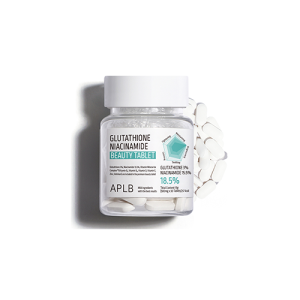
APLB Glutathione Niacinamide Beauty Tablet (30 tablets)
$14.76 Add to cart -
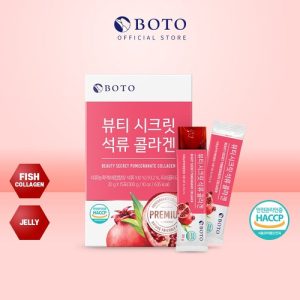
BOTO Beauty Secret Pomegranate Collagen Jelly Stick (15 sticks)
$27.00 Add to cart -
![[Beauty of Joseon] *size up* Glow Serum : Propolis + Niacinamide 60ml – image 2](https://kbeautycontent.com/wp-content/uploads/2026/06/9113c344-e47b-455d-852b-916d0d8095fb-300x300.jpg)
![[Beauty of Joseon] *size up* Glow Serum : Propolis + Niacinamide 60ml – image 3](https://kbeautycontent.com/wp-content/uploads/2026/06/d0f29dc9-1d01-46d6-9de9-9008a14a41d6-1-300x300.jpg)
[Beauty of Joseon] Glow Serum : Propolis + Niacinamide 60ml
$13.80 Add to cart -
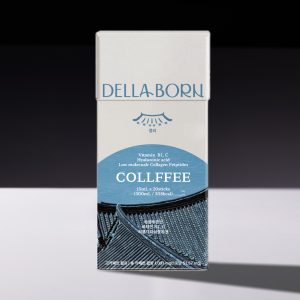
COLLFFEE, Collagen+Coffee, coffee, collagen, liquid coffee, supplements, supplement
$19.20 Add to cart
Frequently Asked Questions
Are Korean glutathione supplements effective for darker skin tones?
Board-certified specialists consistently recommend that yes. Glutathione reduces melanin production regardless of basal skin tone. In fact, African customers often see more dramatic contrast improvement on sun-damaged areas or acne scars. The key is consistent dosing — 500 mg to 1000 mg daily for at least 8 weeks.
What’s the typical MOQ for wholesale orders from Korea?
Most MFDS-registered manufacturers set MOQs at 200–500 units for first-time orders. However, local African distributors like Glow Theory and Secret Skin often allow orders as low as 12 units at slightly higher wholesale prices. Always negotiate a sample run first.
How long does shipping take from Seoul to Lagos?
Air freight via DHL or EMS takes 5–9 business days, including customs clearance if your paperwork is in order. Sea freight takes 35–50 days and is only economical for MOQs above 1,000 units.
Can I private-label Korean brightening supplements?
Absolutely. Many mid-sized Korean manufacturers offer OEM services with MOQs starting around 1,000–3,000 units. You’ll need an MFDS-certified formula — the manufacturer handles the regulatory side, and you provide the brand name and packaging design. Expect a 6–10-week lead time.
Do I need SAHPRA or NAFDAC approval before importing supplements?
Not always for personal use, but for commercial resale, both SAHPRA and NAFDAC require product registration or at least a notification. An MFDS approval certificate significantly streamlines the process. Always consult a local regulatory agent before your first shipment.
Last updated: May 14, 2026