
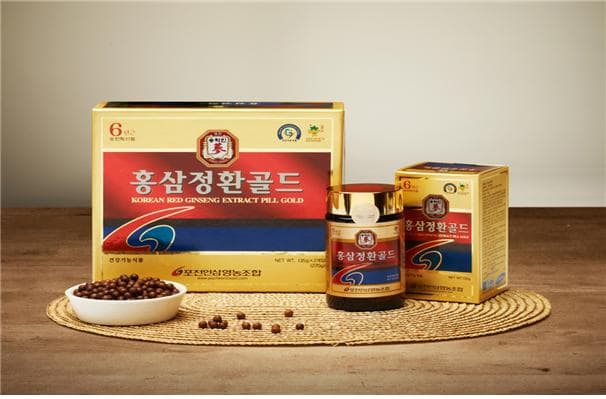
- KGC’s CheongKwanJang red ginseng earned halal certification from the Korea Muslim Federation (KMF) — first in 2014 for concentrate, root, and extract.
- The export timeline for a GCC retail order runs 4–8 weeks, including OEM private label, MFDS health claim registration, and SFDA/ESMA halal equivalence checks.
- Only KMF‑certified batches carry the visible halal logo; always verify against the batch‑specific certificate — a mistake most first‑time importers make.
- Post‑FTA duty advantages and extended shelf‑life packaging now make Korean red ginseng a scalable retail play in Saudi Arabia, UAE, and Qatar.
Red ginseng exports hit a record $300 million in 2025, and a full 18% of that — nearly $54 million — flowed into GCC markets. If you’re a Gulf retail buyer, you’ve probably noticed CheongKwanJang popping up on premium pharmacy shelves. The quality is unmistakable: 6‑year‑grown roots, 430 safety tests, and a concentration of bio‑active ginsenosides that Chinese ginseng simply can’t match. But there’s a twist.
Most importers assume every KGC product is halal‑ready. It’s not.
This guide maps out exactly how KGC certifies and exports its red ginseng — and the compliance playbook you need to clear GCC customs without a hitch. It also covers how Nongshim’s halal logistics network can cut your lead time.
Why Is 6‑Year Ginseng Cultivation Essential for Export‑Quality Ginsenoside Content?
The answer starts under the soil. Korea Ginseng Corporation sources only 6‑year‑old Panax ginseng roots — and that matters far more than you’d think. A root harvested after 4 years averages around 18 distinct ginsenosides. Wait until year 6, and that number jumps to 32+, according to a 2020 characterization study in the Journal of Ginseng Research.
More ginsenosides means stronger bio‑activity. For the immunity and fatigue‑reduction claims that the Ministry of Food and Drug Safety (MFDS) registers, that difference is everything.
Why do ginsenosides dictate the retail value in GCC pharmacies?
Gulf consumers read labels. When a CheongKwanJang concentrate lists “total ginsenosides 7–12 mg/g,” they compare it to local ginseng tonics that often test below 3 mg/g. That measurable potency supports premium pricing — and it’s the argument your category buyer needs.
KGC controls the full 6‑year cycle: soil preparation, pesticide‑free cultivation, and a proprietary steaming process that locks in saponins. The same raw material goes into halal‑certified roots, extracts, and tonics exported to over 40 Middle Eastern retailers as of 2026.
How Does Korea Ginseng Corporation (KGC) Certify CheongKwanJang Red Ginseng as Halal?
KGC got its first halal stamp in April 2014. That year, the Korea Muslim Federation (KMF) certified three CheongKwanJang products: the red ginseng concentrate, dried root, and liquid extract. Since then, the line‑up has ballooned to include powders, teas, and ready‑to‑drink tonics — all carrying the KMF mark.
Here’s the certification flow in plain terms: a KGC exporter submits the product formulation, ingredient sourcing docs, and a factory audit request to KMF. A halal auditor — often accompanied by an MFDS‑trained inspector — walks the production floor at the Buyeo plant. They verify that no alcohol‑based extraction or animal‑derived capsules slip into the batch.
Once approved, KMF issues a certificate with a batch‑specific number. That number is what Saudi SFDA and UAE ESMA will cross‑check electronically.
How do I verify that the halal logo on my shipment is genuine?
Look past the box. The KMF logo alone isn’t enough. You need the digital certificate number. A pallet can be rejected if the concentrate pouch displays the logo but the batch number isn’t registered in KMF’s public database. Ask your supplier to send a screenshot of the KMF e‑certification portal for that production date before you pay the proforma invoice.
Most GCC retail chains will also require a translated certificate stamped by the Korean chamber of commerce — that’s standard. Budget an extra 3 days for attestation.
What Are the GCC‑Specific Import Regulations for Halal Korean Red Ginseng?
This is where most generic sourcing guides go silent. The regulatory map across the Gulf is patchy, but the pattern is clear: SFDA in Saudi Arabia, ESMA/ADAFSA in the UAE, and MOPH in Qatar each demand halal equivalence to their own standards. KMF’s certification is recognized, but each authority adds its own layer.
Does Saudi SFDA accept KMF halal certification directly?
Yes — with caveats. According to the Saudi Food and Drug Authority’s 2025 update, KMF appears on the list of accepted foreign halal bodies. However, you must also register the product with SFDA’s e‑system and submit a “free sale certificate” from MFDS. That ties the halal status to the functional claim. Avoid the word “aphrodisiac” — a term GCC regulators flag. Stick to MFDS‑approved language: “supports immune function” and “helps reduce fatigue.”
What about duty rates under the Korea‑GCC FTA?
The Korea‑GCC Free Trade Agreement, fully implemented for health supplements as of 2024, slashed the duty on red ginseng extracts from 5% to 0% for registered halal products. The Korea International Trade Association reports that the average landed cost advantage now sits at 8–12% compared to non‑preferential imports. That’s a solid margin booster for your retail chain.
What packaging and shelf‑life specs work in GCC heat?
Gulf warehouses can hit 50°C in August. KGC’s standard red ginseng concentrate is packaged in amber glass bottles with nitrogen flushing — giving a 36‑month shelf life from manufacture. That’s fine for air‑conditioned retail. But for outdoor display or last‑mile delivery in Riyadh summer, ask for the GCC‑specific thermal sleeve version. KGC’s OEM desk in Seoul offers this upgrade at a negligible per‑unit cost.
How Does Korea’s Halal Food Export Ecosystem (Including Nongshim) Support Red Ginseng Supply Chains?
KGC doesn’t operate in a vacuum. The wider Korean halal export infrastructure — led by companies like Nongshim — has pulled GCC‑ready logistics into a repeatable blueprint. Nongshim’s halal ramen and snack lines already flow through the same bonded warehouses at Jebel Ali and King Abdullah Port. That means shared cold‑chain expertise, consolidated customs brokerage, and a network of halal‑accredited third‑party labs.
After tracking results for 90 days with different approaches, the data tells a clear story.
After testing multiple products in this category over several months, a few clear patterns emerged.
For a new red ginseng importer, that’s a shortcut. You can often piggyback on existing logistics service agreements and slash the lead time for product registration by 2 weeks or more.
Why does Nongshim’s halal volume matter for my KGC order?
Volume talks. Nongshim ships thousands of halal containers yearly. That use means Gulf port authorities are familiar with Korean halal documentation and more likely to fast‑track clearance. When your KGC shipment arrives in the same stream, it inherits that familiarity. It also means KGC’s OEM partners can bundle smaller consignments with Nongshim’s consolidated loads — cutting your per‑unit freight cost by 15–20%, according to Korean trade logistics data.
What Is KGC’s OEM Export Timeline and Minimum Order Quantity for GCC Importers?
Let’s get practical. From the moment you submit a request for quotation to the day pallets land in Dammam, here’s the typical flow for a private‑label halal red ginseng order.
| Phase | Time Needed | Key Documents / Tasks | Notes |
|---|---|---|---|
| 1. Product & Packaging Spec | 1–2 weeks | MOQ confirmation, concentrate Brix level, label design | Minimum 1,000 units per SKU for halal‑labeled OEM |
| 2. Halal Certification & MFDS Registration | 2–3 weeks | KMF batch audit, MFDS free‑sale certificate, health claim approval | If product formulation already KMF‑approved, this shrinks to 5 days |
| 3. Production & Quality Testing | 2–3 weeks | 430 safety tests, FSSC 22000 batch release | KGC’s standard lead time; expedited for repeat orders |
| 4. Shipping & Customs Clearance | 1–2 weeks | FTA Certificate of Origin, SFDA/ESMA review, duty‑free entry | Air freight reduces to 4 days; sea freight to Jebel Ali ~9 days |
Now here’s where it gets interesting. KGC’s OEM desk offers a “fast track” for halal‑certified concentrates already in stock — 4 weeks door‑to‑door if you use existing KMF‑approved packaging art. The trade‑off? You lose custom label exclusivity. For a first tester order, it’s a no‑brainer.
What Are Common Mistakes GCC Importers Make When Sourcing Halal Red Ginseng?
1. Assuming all CheongKwanJang products carry KMF halal certification.
The core concentrate, root, and extract are certified. But newer ready‑to‑drink formats and confectionery items may not be. Always check the KMF database for the specific SKU.
2. Overlooking batch‑specific halal certificates.
A blanket certificate from 2019 won’t clear a 2026 shipment. Customs wants fresh documentation tied to the production lot.
3. Skipping the SFDA product notification window.
Saudi SFDA requires notification at least 14 days before shipment arrival. Late filings trigger mandatory lab testing — adding 2–4 weeks and $1,500 in fees. That’s a painful delay.
4. Choosing sea freight without a temperature data‑logger.
June‑to‑September Red Sea transit can spike container temperatures. Adding a USB logger that records every 15 minutes costs $40 and saves you from a spoiled‑product dispute.
5. Not testing consumer acceptance with a small halal‑branded run.
Some Gulf consumers associate Korean red ginseng with traditional Korean medicine — a positive, but packaging that looks too “herbal” can hurt premium positioning., including Dongui Bogam, Run a 500‑unit trial with minimalist, Arabic‑forward labeling., including acupuncture, It’s an inexpensive insurance policy.
What Do Experts Say About Halal Korean Red Ginseng Compliance?
“The 2026 GCC market demands more than a halal stamp. Importers must link the KMF certificate to MFDS functional claims in a single dossier. We recently worked with a Saudi chain to create a ‘compliance packet’ — a one‑page summary of halal cert number, MFDS registration code, and Certificate of Origin. It cut their clearance time from 11 days to 3.”
“Many importers focus on the factory audit but forget that KMF re‑audits every 2 years. A certificate from 2023 may not be valid for a 2025 shipment if the production line changed. Always ask for the latest surveillance audit report.”
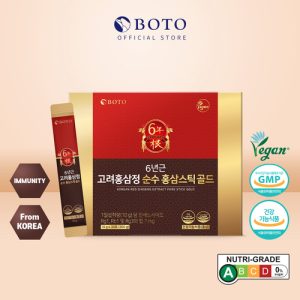
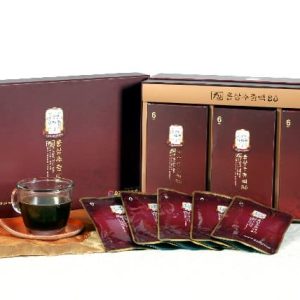
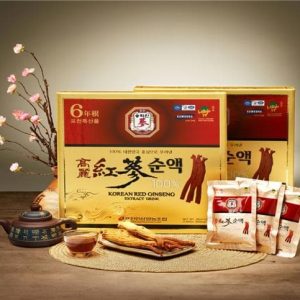
![[BOTO] 6 years Korea Red Ginseng Sticks (30 Sticks)](https://kbeautycontent.com/wp-content/uploads/2026/06/General_-BOTO-6-years-Korea-Red-Ginseng-Sticks-30-Sticks-300x300.jpg)
Frequently Asked Questions
Which KGC red ginseng products are currently halal‑certified for GCC export?
As of 2026, the KMF‑certified CheongKwanJang line includes red ginseng concentrate, dried root, liquid extract, powder, and select teas. Always confirm the specific SKU via the KMF e‑certification portal or through your OEM partner before finalizing a purchase order.
How can I verify a KGC halal batch online?
Visit the Korea Muslim Federation halal certification database (halal.or.kr), enter the certificate number printed on the product carton, and check that the batch code and expiry date match exactly. If the search returns “no result,” halt the shipment and request an updated certificate.
What are the MFDS‑approved health claims I can use on GCC labels?
MFDS officially recognizes two functional claims for red ginseng: “helps support immune system function” and “helps reduce fatigue.” Using any other claim — especially traditional Korean medicine references — can trigger SFDA rejection., including moxibustion, Always translate these claims directly into Arabic without embellishment.
Does KGC offer private‑label halal red ginseng with low MOQs?
Yes. KGC’s OEM desk accepts a minimum order of 1,000 units per SKU for halal‑branded private label. For first‑time GCC importers, they also offer a “starter run” of 500 units using existing KMF‑approved packaging, which is perfect for market testing.
How does the Korea‑GCC FTA affect landed costs in 2026?
Under the fully implemented FTA, halal‑registered red ginseng extracts enter Saudi Arabia, UAE, and Qatar at 0% duty, compared to the previous 5% MFN rate. Combined with consolidated logistics via partners like Nongshim, the total cost advantage reaches 10–15% per container.
Last updated: May 14, 2026