
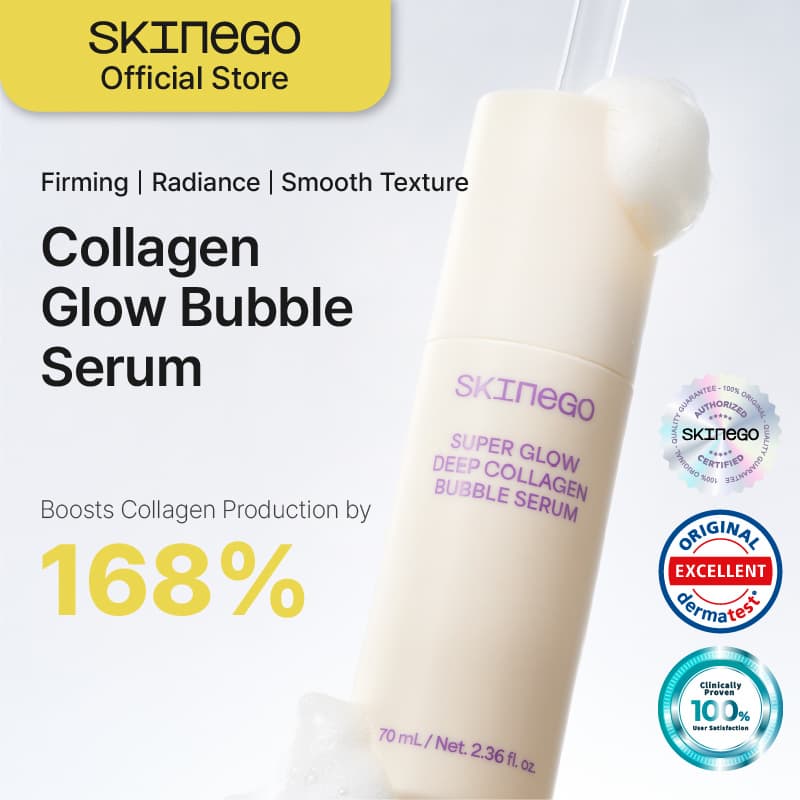
- Start with 5 steps only: oil cleanser, water-based cleanser, hydrating toner/essence, moisturizer, and SPF (morning). This covers the foundation without the overwhelm.
- Double cleanse every evening: Remove makeup/sunscreen with an oil cleanser, then wash with a gentle water-based cleanser. This is non-negotiable for clear pores.
- Hydration is the star: Look for ingredients like hyaluronic acid, snail mucin, panthenol, and glycerol. These hydrate without irritation — and most affordable K-beauty brands include them.
- Budget smart: You can build a solid 5-step routine for $50–$60 total. Stick to $10–$12 per item to avoid waste (pea-sized amounts go a long way).
Walking into a K-beauty store for the first time? Shelves stacked with essences, ampoules, sheet masks, and serums — it’s easy to think you need all 10 steps. But most beginners waste money on products they don’t need. A full Korean skincare routine from scratch really needs just 5 essential steps — and it won’t cost you a fortune.
This guide walks through how to build a routine that works for your skin type, avoids common mistakes, and stays under $60. You’ll learn which ingredients (hyaluronic acid, snail mucin, panthenol, glycerol) to prioritize, how to layer products for maximum absorption, and why skipping sunscreen is the one mistake that ruins everything.
One thing most guides don’t tell you? The order of application matters way more than the products themselves. The next section shows why — and what happens when you get it wrong.
| Step | Product Type | Time (per day) | Materials & Tools | Est. Cost |
|---|---|---|---|---|
| 1 | Oil cleanser | 1 min | None — use dry hands | $10–$12 |
| 2 | Water-based cleanser | 1 min | None | $8–$12 |
| 3 | Hydrating toner / essence | 30 sec | Cotton pads optional | $10–$14 |
| 4 | Moisturizer (cream or gel) | 30 sec | None | $10–$15 |
| 5 (AM) | Sunscreen (SPF 50+) | 1–2 min | None | $10–$15 |
What’s the absolute minimum number of steps for a beginner Korean skincare routine?
The absolute minimum for a full Korean skincare routine is five steps: oil cleanse, water-based cleanse, hydrate with a toner or essence, moisturize, and protect with SPF (in the morning). That’s it. You don’t need essences, ampoules, sheet masks, or eye creams to start.
In fact, starting with the five-step core helps you master the basics before you layer extra treatments.
Here’s why: the K-beauty philosophy is about prevention, not correction. Hydrating and protecting your skin barrier daily stops issues before they start. By sticking to these five steps, you give your skin time to adjust and you learn to “listen” to its needs.
How do double cleansing and layering work in a Korean routine?
Double cleansing means using an oil-based cleanser first, followed by a water-based cleanser — and it’s the foundation of every Korean skincare routine. The oil cleanser dissolves makeup, sunscreen, and sebum (even waterproof formulas). Then the water cleanser removes sweat, dirt, and leftover residue.
Here’s the technique: apply the oil cleanser to a dry face, massage for 30–60 seconds, then add a little water to emulsify it into a milky texture. Rinse thoroughly. Follow with your water-based cleanser on damp skin — about a pea-sized amount. Rinse and pat dry.
What order should you layer products after cleansing?
Layer from thinnest to thickest consistency. After cleansing, apply your hydrating toner or essence (thinnest), then moisturizer, then sunscreen (if morning). Each step should be mostly absorbed before the next. Wait about 15–20 seconds between layers — you don’t need to wait until your face is bone dry.
Why does this matter? Thinner textures like toners contain hyaluronic acid, snail mucin, panthenol, and glycerol — humectants that pull water into the skin. If you apply a thick cream first, those humectants can’t penetrate as effectively. So light → heavy is the golden rule.
Which hydrating ingredients should a beginner look for — and why does snail mucin matter?
A beginner should target ingredients that hydrate gently and are unlikely to irritate: hyaluronic acid, snail mucin, panthenol, and glycerol. These are the workhorses of affordable K-beauty. Snail mucin in particular is a cult favorite — it hydrates, soothes redness, and supports collagen production without being heavy.
It’s produced by snails and filtered for skincare; brands like Cosrx make a famous snail mucin essence.
Here is each one:
- Hyaluronic acid holds up to 1000 times its weight in water. It hydrates the skin’s surface and deeper layers when applied to damp skin.
- Snail mucin contains glycoproteins, hyaluronic acid, and antimicrobial peptides. It hydrates, repairs damage, and evens skin tone.
- Panthenol (pro-vitamin B5) hydrates, soothes, and strengthens the skin barrier. It’s a great ingredient for sensitive or irritated skin.
- Glycerol (commonly listed as glycerin) is a humectant that pulls moisture into the outer layer. It’s one of the most effective and cheapest hydrators — found in almost every K-beauty toner.
You don’t need a product that has all four. A good hydrating toner will contain at least two of these. For example, the Laneige Cream Skin Toner & Moisturizer (made by Amorepacific Corporation) combines glycerol and panthenol. Meanwhile, Cosrx Snail Mucin Essence is literally just snail mucin and a few supporting ingredients. Both are beginner-friendly.
How can I customize my Korean skincare routine for type without buying extra products?
Customization comes from adjusting the texture of your moisturizer and the frequency of double cleansing — not from buying separate products for each skin zone. Most beginners make the mistake of buying a “dry skin kit” or “oily skin kit,” but the K-beauty approach is to use the same core steps and swap only the moisturizer.
Here’s a quick guide based on skin type:
| Skin Type | Best Moisturizer Texture | Double Cleanse Routine |
|---|---|---|
| Dry | Rich cream (contains ceramides, shea butter) | Double cleanse PM only; skip oil cleanse AM |
| Oily | Gel-cream (water-based, no heavy oils) | Double cleanse PM; can double cleanse AM if very oily |
| Combination | Lightweight lotion / emulsion | Double cleanse PM only |
| Sensitive | Fragrance-free, hypoallergenic cream | Use gentle oil cleanser; skip if irritation occurs |
Remember: Amorepacific Corporation owns Laneige and Sulwhasoo, while LG H&H (another Korean giant) competes directly with them, offering brands like The Face Shop and Isntree. Both produce affordable options. The point? You don’t need to chase the priciest brands — stick to the texture that works for your skin.
What’s the best way to add treatments like retinol or niacinamide without overwhelming ?
Add treatments one at a time, starting with niacinamide first, then retinol, and only after you’ve been using the five-step routine for at least 4 weeks. Niacinamide is extremely well-tolerated and pairs with almost everything. Retinol, on the other hand, can cause purging and irritation if introduced too quickly.
Here is the recommended order for adding actives:
- Week 5–6: Add a niacinamide serum (2–5% concentration) in the PM after toner. Use 2–3 times a week for 2 weeks, then gradually increase to nightly.
- Week 8–10: Add a retinol product (0.2%–0.3% concentration), also in PM. Use once every 3 days for 2 weeks, then every other night if no irritation.
- To exfoliate with an alpha hydroxy acid (AHA), swap retinol for AHA one night per week — never combine retinol and AHA.
How long does a full routine take and how often should I use sheet masks?
A full Korean skincare routine — double cleanse, tone, moisturize, SPF — takes about 15–20 minutes in the evening and 10 minutes in the morning. Sheet masks are an optional extra: use them 2–3 times per week for a hydration boost, according to multiple beauty experts cited in the Perplexity research.
You can apply a sheet mask after toner and before moisturizer, then pat the excess serum into your skin.
But here’s the thing: don’t feel pressured to use sheet masks every day. They’re meant to be a treat, not a necessity. In fact, using them more than 3 times a week can over-hydrate or irritate sensitive skin. Stick to twice a week and your skin will thank you.
What are the most common mistakes beginners make when building a Korean skincare routine?
These five mistakes happen again and again.
- Skipping sunscreen — The worst mistake. Without SPF, all your hydration work is undone by UV damage. Use SPF 50+ every single morning, even indoors.
- Using too many actives at once — Layering retinol, vitamin C, AHA, and BHA will wreck your barrier. Stick to one active at first.
- Not patch testing — Always test a new product on your inner arm for 48 hours before using it on your face. A supposedly “gentle” product can still cause a full-face breakout.
- Using a cleanser with the wrong pH — Your skin is naturally acidic (pH ~4.5–5.5). A cleanser that’s too alkaline strips your barrier. Look for low pH cleansers (around pH 5.5), like the Cosrx Low pH Good Morning Gel Cleanser.
- Skipping moisturizer because your skin is oily — This signals your skin to produce more oil to compensate. A lightweight gel-cream with glycerol and panthenol will balance you out.
What do skincare experts say about building a routine from scratch?
-
![[It's Skin] Blue Snail Moisturizer - Korean Beauty, Skincare, Cosmetics, Makeup](https://kbeautycontent.com/wp-content/uploads/2026/06/General_-It-s-Skin-Blue-Snail-Moisturizer-Korean-Beauty-Skincare-Cosmetics-Makeup-300x300.jpg)
[It’s Skin] Blue Snail Moisturizer – Korean Beauty, Skincare, Cosmetics, Makeup
$8.33 Add to cart -
![[BIODANCE] Skin Refining Mild PHA Toner - Korean Beauty, Skincare, Cosmetics, Makeup](https://kbeautycontent.com/wp-content/uploads/2026/06/Biodance_-BIODANCE-Skin-Refining-Mild-PHA-Toner-Korean-Beauty-Skincare-Cosmetics-Makeup-300x300.jpg)
[BIODANCE] Skin Refining Mild PHA Toner – Korean Beauty, Skincare, Cosmetics, Makeup
$12.78 Add to cart -
![[It's Skin] Blue Snail Serum - Korean Beauty, Skincare, Cosmetics, Makeup](https://kbeautycontent.com/wp-content/uploads/2026/06/General_-It-s-Skin-Blue-Snail-Serum-Korean-Beauty-Skincare-Cosmetics-Makeup-300x300.jpg)
[It’s Skin] Blue Snail Serum – Korean Beauty, Skincare, Cosmetics, Makeup
$8.33 Add to cart -
![[BIODANCE] Pore Tightening Collagen Cream - Korean Beauty, Skincare, Cosmetics, Makeup](https://kbeautycontent.com/wp-content/uploads/2026/06/Biodance_-BIODANCE-Pore-Tightening-Collagen-Cream-Korean-Beauty-Skincare-Cosmetics-Makeu-300x300.jpg)
[BIODANCE] Pore Tightening Collagen Cream – Korean Beauty, Skincare, Cosmetics, Makeup
$16.80 Add to cart
Frequently Asked Questions about Korean skincare routines for beginners
Can I use non-Korean products in a Korean routine?
Yes — the routine is about the steps and philosophy, not the origin of the products. You can use Western moisturizers or sunscreens; just focus on thin-to-thick layering and hydration-first approach. However, many affordable non-Korean products lack the lightweight textures typical of K-beauty, so you might need to experiment.
Do I need all 10 steps as a beginner?
No. Start with 5 steps (oil cleanser, water cleanser, toner/essence, moisturizer, SPF). Add sheet masks, serums, and eye creams only after 4–6 weeks once you’ve mastered the basics and identified your skin’s needs.
Is moisturizer needed for oily skin?
Absolutely. Skipping moisturizer triggers your skin to produce more oil. Use a lightweight gel-cream or emulsion with glycerol and panthenol — these humectants hydrate without clogging pores.
How often should I exfoliate as a beginner?
Exfoliate no more than 1–2 times per week. Start with a gentle alpha hydroxy acid (AHA) like glycolic acid at 5% concentration. Avoid physical scrubs — they can micro-tear skin. Always follow exfoliation with moisturizer and use sunscreen the next day.
What’s the budget for a full beginner routine?
You can build a complete 5-step Korean skincare routine for $50–$60. Each product should cost $10–$12 if you stick to affordable brands like Cosrx, The Face Shop, Isntree, or Purito. Avoid buying a full-size toner and essence right away — many offer trial sizes for under $8.
Related Reading
- Best Affordable Korean Skincare Products — Budget-friendly picks under $15 per item
- Best Korean Skincare Products for Men — Routines and products tailored to male skin
- Best Vegan Korean Skincare Products — Cruelty-free options without sacrificing efficacy
Last updated: May 03, 2026