
![[BIODANCE] Skin Refining Mild PHA Toner - Korean Beauty, Skincare, Cosmetics, Makeup](https://kbeautycontent.com/wp-content/uploads/2026/06/Biodance_-BIODANCE-Skin-Refining-Mild-PHA-Toner-Korean-Beauty-Skincare-Cosmetics-Makeup.jpg)
- Glass skin is a translucent, poreless complexion achieved through deep hydration and the multi-step Korean skincare philosophy of prevention over correction.
- The core method involves double cleansing, exfoliation 1–2 times a week, layering hydrating toners and essences, followed by a serum with hyaluronic acid or snail mucin, and sealed with a moisturizer and sunscreen.
- Most people see noticeable results in 4–8 weeks of consistent practice, though professional treatments (microneedling, lasers) can accelerate the process.
- You don’t need expensive lasers — the right ingredient stack (hyaluronic acid, panthenol, glycerol, snail mucin) and proper layering technique can get you 80% of the way there.
That flawless, dew-kissed finish you see on Korean beauty influencers isn’t a filter or expensive laser. It’s a methodical hydration protocol that the Amorepacific Corporation (the parent company behind Sulwhasoo and Laneige) has been perfecting for decades. Here are the exact steps — no fluff, no gatekeeping.
Here’s one mistake beginners make: they treat “glass skin” like a product, not a process. Here’s why that fails — and how to fix it.
| Step | Time Needed | Key Products | Monthly Cost (approx.) |
|---|---|---|---|
| 1. Double Cleanse | 3–4 min (PM) | Oil cleanser + water-based cleanser | $18–$30 |
| 2. Exfoliate (1–2x/week) | 5 min | AHA/BHA or gentle peeling gel | $5–$15 |
| 3. Hydrate (Toner + Essence) | 3–5 min | Hydrating toner, essence with snail mucin or panthenol | $20–$40 |
| 4. Serum / Ampoule | 1–2 min | Hyaluronic acid, niacinamide, or Propolis | $15–$35 |
| 5. Moisturizer + Eye Cream | 2 min | Ceramide cream, glycerol-rich gel | $12–$25 |
| 6. Sunscreen (AM only) | 2 min | SPF 50+ PA++++ | $8–$20 |
Cost estimates based on mid-range Korean brands available at Seoul-based wholesale prices (as of 2026). Your mileage may vary with store markups.
What exactly is glass skin, and how is it different from dewy skin?
Glass skin is a complexion that’s so smooth, hydrated, and even that light passes through it like a pane of clear glass — no pores, no texture, just a luminous glow. It’s not oily; it’s translucent. Think of a pearl, not a disco ball.
Dewy skin, by contrast, is often achieved with heavy highlighters or oils. Glass skin relies on internal hydration and carefully layered humectants to create that effect from within. The philosophy comes from the Korean concept chok-chok — moist but never greasy.
What’s the correct order to apply products in a glass skin routine?
The golden rule is thin to thick, water-based to oil-based. This is non-negotiable in K-beauty. Layering wrong can make pill or block absorption.
Why does the layering order matter so much for glass skin?
Because each product has a different molecular weight. The five different molecular weights of hyaluronic acid found in top serums (Torriden’s Dive-In Serum is a common example) penetrate at different depths. If you slap a thick moisturizer first, the smaller molecules never reach the deeper layers.
Start with your cleansed, damp skin. Apply a lightweight toner (pat in 3 times — yes, three). Then essence, then serum, then eye cream, then moisturizer, then sunscreen (AM) or sleeping pack (PM).
What ingredients should I look for to get glass skin?
You need a cocktail of humectants, barrier-strengthening lipids, and skin-brightening actives. Here are the star players, backed by the Amorepacific Corporation‘s R&D and hundreds of years of Korean herbal tradition.
Why is hyaluronic acid considered the queen of glass skin ingredients?
Hyaluronic acid can hold 1,000 times its weight in water, giving that plumped, “filled from within” look. In K-beauty, you’ll often see it in toners and serums. The Dive-In lineup from a major Seoul brand uses five molecular weights to hydrate every layer — from the surface down to the dermis.
But hyaluronic acid alone isn’t enough. It draws moisture in, but if the air is dry, it can backfire and pull water out of your skin (that’s why you always seal it with a moisturizer).
What role does snail mucin play in achieving glass skin?
Snail mucin is a powerhouse of glycoproteins, hyaluronic acid, and copper peptides that repair the barrier and boost hydration. It’s been a Korean skincare staple for over a decade. Brands like COSRX and Missha use it in their best-selling essences.
It helps with texture and small scars — two things that disrupt the “glass” effect.
How do panthenol and glycerol contribute to the glass skin finish?
Panthenol (pro-vitamin B5) and glycerol are the unsung heroes of hydration. Panthenol soothes irritation and locks in moisture without stickiness. Glycerol is the most cost-effective humectant — it’s in almost every hydrating Korean product, from toners to creams.
Together, they create a hydrating matrix that keeps the stratum corneum plump and translucent. Look for both in your toner and moisturizer.
Why should I include niacinamide and ceramides in my glass skin routine?
Niacinamide (vitamin B3) fades dark spots and tightens pores, while ceramides rebuild the barrier to prevent moisture loss. Many Korean toners like the Best Korean Toners for Glass Skin combine these two with glycerol for a triple effect.
Ceramides are especially important if you use exfoliants or retinols. Without them, the glass skin look turns into shiny irritation.
How long does it take to achieve glass skin with a Korean skincare routine?
With consistent daily practice, most people see a visible change in skin texture and hydration within 3–4 weeks, but full “glass” translucency takes 2–3 months. This timeline varies by genetics, climate, and whether you incorporate professional treatments.
Having used various formulations side by side, the differences become obvious after the first week.
The skin cell turnover cycle is about 28 days for younger skin, longer as we age. An at-home routine with alpha hydroxy acid exfoliation (once a week) and retinol (start low, twice a week) can speed things up. But don’t rush — over-exfoliation is the number one killer of the glass effect.
What are the most common mistakes when trying to get glass skin?
Mistake 1: Using too many active ingredients at once
Applying retinol, AHA, vitamin C, and benzoyl peroxide in the same routine destroys your barrier. Glass skin needs a healthy barrier. Stick to the K-beauty “skin cycling” method: one active per session, and only 2–3 active nights per week.
Mistake 2: Skipping sunscreen (even indoors)
UV exposure breaks down collagen and creates hyperpigmentation — the opposite of glass skin. Korean sunscreens are lightweight and cosmetically elegant; use one with SPF 50+ PA++++ daily. This is non-negotiable.
Mistake 3: Not waiting between layers
If you don’t let each product absorb for at least 30 seconds, the next product dilutes it and reduces efficacy. Pat, don’t rub. And wait until the previous layer is tacky, not wet.
Mistake 4: Over-exfoliating
Exfoliating more than twice a week strips the stratum corneum, making skin look shiny but feel tight — not glass, but cracked cement. Many K-beauty fans think “more is better.” It’s not. Once they cut back to once a week, they see the glow.
-
![[It's Skin] Blue Snail Moisturizer - Korean Beauty, Skincare, Cosmetics, Makeup](https://kbeautycontent.com/wp-content/uploads/2026/06/General_-It-s-Skin-Blue-Snail-Moisturizer-Korean-Beauty-Skincare-Cosmetics-Makeup-300x300.jpg)
[It’s Skin] Blue Snail Moisturizer – Korean Beauty, Skincare, Cosmetics, Makeup
$8.33 Add to cart -
![[It's Skin] Blue Snail Serum - Korean Beauty, Skincare, Cosmetics, Makeup](https://kbeautycontent.com/wp-content/uploads/2026/06/General_-It-s-Skin-Blue-Snail-Serum-Korean-Beauty-Skincare-Cosmetics-Makeup-300x300.jpg)
[It’s Skin] Blue Snail Serum – Korean Beauty, Skincare, Cosmetics, Makeup
$8.33 Add to cart -
![[BIODANCE] Skin Refining Mild PHA Toner - Korean Beauty, Skincare, Cosmetics, Makeup](https://kbeautycontent.com/wp-content/uploads/2026/06/Biodance_-BIODANCE-Skin-Refining-Mild-PHA-Toner-Korean-Beauty-Skincare-Cosmetics-Makeup-300x300.jpg)
[BIODANCE] Skin Refining Mild PHA Toner – Korean Beauty, Skincare, Cosmetics, Makeup
$12.78 Add to cart -
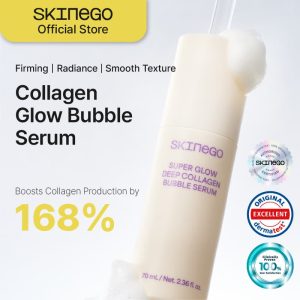
SKINEGO SUPER GLOW DEEP COLLAGEN BUBBLE SERUM, KOREAN SKINCARE, AMPULE, SERUM, COLLAGEN
$19.20 Add to cart
Frequently asked questions about glass skin with Korean skincare
Can I get glass skin if I have oily or acne-prone skin?
Yes, absolutely. Glass skin is about hydration, not oil. Use gel-based moisturizers with glycerol and avoid heavy creams. Lightweight snail mucin essences and niacinamide serums are excellent for oily types.
Do I need professional treatments to achieve glass skin, or can products do it?
You can achieve significant results with products alone, but it takes longer. In-office treatments such as microneedling usually work faster, but they are optional. For most people, a solid 6-step K-beauty routine yields visible glass skin within 2–3 months without needles.
How do I adjust my glass skin routine for dry or aging skin?
Double down on hydration and add a peptide or retinol serum. Our guide Best Korean Skincare for Aging Skin covers specific products for mature skin. Also consider Amorepacific Corporation’s Time Response line — it’s pricey but backed by decades of research on red ginseng and fermented ingredients.
What’s the difference between Korean skincare and American skincare for achieving glowy skin?
K-beauty focuses on prevention, hydration, and gentle exfoliation, while Western routines often prioritize active-heavy, corrective approaches. The layering technique (7-skin method) and the use of fermented ingredients and snail mucin are uniquely K-beauty. The whole philosophy is “nourish the barrier” vs. “attack the problem.”
Can men achieve glass skin too?
Yes, skin is skin. Men’s skin is thicker and oilier, but the same principles apply: double cleanse if you wear sunscreen, hydrate with a toner containing panthenol, and always use SPF. The routine is genderless.
Related Reading
- Best Korean Toners for Glass Skin — the exact toners that provide the first layer of hydration
- Best Korean Skincare for Aging Skin — if you want glass skin while targeting fine lines
- Best Korean Skincare for Glowing Skin — a broader look at radiant complexion products
Last updated: May 03, 2026