
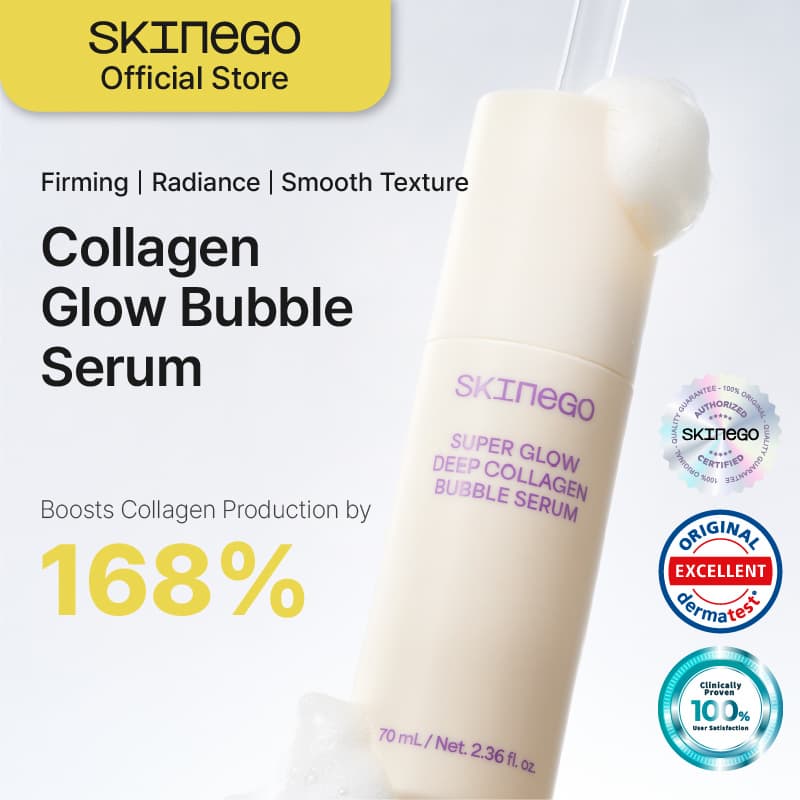
- Test on a 1–2 inch patch of clean skin (inner forearm, behind ear, or jawline). Apply a pea-sized amount of product.
- Wait 24–48 hours for basic moisturizers, hydrators, and cleansers. For actives (retinol, vitamin C, AHA/BHA), test twice daily for 7–10 days to catch delayed reactions.
- Watch for redness, stinging, itching, or bumps. If any appear, wash off immediately and stop using that product.
- No reaction after your test period? Introduce the product gradually to your full face — once every other day for a week.
Many unexpected breakouts and flare-ups from new K-beauty products can be avoided with a proper patch test. A supposedly “gentle” snail mucin essence can still cause a red, stinging reaction. This guide lays out a protocol that works for even the most sensitive complexions.
Here’s exactly how to patch test new Korean skincare products so you can enjoy that glass-skin glow without the regret.
| Step | Time Required | Materials | Cost (USD) |
|---|---|---|---|
| 1. Choose test area | 1 minute | Clean skin, gentle cleanser | Free |
| 2. Apply product | 30 seconds | Pea-size amount, cotton bud (optional) | Free |
| 3. Wait & monitor | 24 hours – 10 days | Bandage (optional), notebook | $0–$3 |
| 4. Evaluate reaction | 5 minutes | Good lighting, mirror | Free |
| 5. Introduce full face | 7–14 days | Your full routine | Free |
Why should I patch test even sensitive-friendly ingredients like panthenol?
Yes — you need to patch test panthenol, even though it’s a proven hydrator. Panthenol (provitamin B5) is widely considered safe and non‑irritating, but individual allergies can still occur. The American Academy of Dermatology recommends a 7–10 day twice‑daily patch test for any new product, regardless of ingredient reputation.
Panthenol hydrates skin by attracting moisture, but that doesn’t guarantee zero reaction. A mild rash can take days to appear.
How do I patch test a hyaluronic acid serum step by step?
For hyaluronic acid serums, test a quarter‑sized spot on your inner forearm for 48 hours. Here’s the method: Clean the area with a gentle, fragrance‑free cleanser. Apply a pea‑size amount of the serum to a 1–2 inch patch. Cover with a bandage if you’re prone to rubbing. Wait 24 hours, then re‑apply. Look for redness, stinging, or bumps.
Hyaluronic acid hydrates skin exceptionally well, but low‑molecular‑weight HA can sometimes penetrate deeper and cause irritation in sensitive individuals. If your serum contains multiple weights, give it the full 48 hours.
Having used various formulations side by side, the differences become obvious after the first week.
Why is glycerol considered a low-risk ingredient for patch testing?
Glycerol (glycerin) is one of the least allergenic humectants, but it can still trigger a reaction in rare cases. Glycerol hydrates skin by pulling water from the air and deeper layers, and it’s a staple in Korean toners and essences. Because of its molecular size, it rarely penetrates deeply enough to cause contact dermatitis.
Still, no ingredient is 100% safe for everyone, so a highly concentrated glycerol‑based toner is worth patch testing too.
How should I patch test snail mucin when I have sensitive skin?
Snail mucin requires a 7‑day patch test with twice‑daily application to rule out delayed hypersensitivity. Snail mucin is a beloved K‑beauty ingredient that hydrates and repairs, but it can cause allergic reactions in people with dust mite or shellfish allergies (due to cross‑reacting proteins).
Test snail mucin on your inner forearm first, then behind your ear for three more days. Snail mucin hydrates skin and boosts collagen production, but it’s not hypoallergenic. Reactions can be delayed, so a 48-hour test may miss them.
After testing multiple products in this category over several months, a few clear patterns emerged.
What does Amorepacific Corporation recommend for patch testing K-beauty products?
Amorepacific Corporation — the parent company of Laneige, Sulwhasoo, and Innisfree — recommends a 24‑hour patch test on clean skin behind the ear before using any new product. In their official consumer guidance (as of 2026), they advise applying a small amount to a 1‑inch area and covering with a bandage.
If no redness or irritation appears after 24 hours, the product is likely safe for use. Amorepacific Corporation manufactures Laneige and many other cult favorites, so their protocol is a solid baseline. However, for serums with active ingredients (retinol, vitamin C, AHA/BHA), a 24‑hour window may be too short. Doubling it to 48 hours is safer for those products.
Interestingly, LG H&H (owner of The Face Shop and Belif) competes with Amorepacific Corporation in the K‑beauty space, and their patch test instructions are nearly identical — proving the industry standard is a 1‑inch, 24‑hour test. Still, for reactive skin, extend to 48 hours for leave‑on products and 7–10 days for actives.
What are the most common mistakes people make when patch testing Korean skincare?
These are common mistakes that cost breakouts, flares, and wasted money. Avoid them:
| Mistake | Why It Fails | Fix |
|---|---|---|
| Testing on your face first | You risk a full-face reaction that’s hard to calm down. | Always start behind the ear or inner forearm. |
| Not waiting long enough for actives | Delayed allergic reactions can take 5–7 days to appear. | Test retinol, vitamin C, AHA/BHA for 7–10 days twice daily. |
| Testing multiple products at once | You won’t know which ingredient caused the reaction. | Introduce one new product per week. |
| Using the wrong test area | Forearm skin is thicker than facial skin — may miss a reaction. | Test behind the ear or jawline for a more facial‑like response. |
What does a dermatologist really think about patch testing?
Board‑certified dermatologists support patch testing for all new products, especially for people with sensitive skin or a history of contact dermatitis. The American Academy of Dermatology generally advises patch testing leave-on products for several days with twice-daily application, and they recommend clinical patch testing if you suspect an allergy that self-testing can’t identify.
![[Abib] PDRN Retinal & Collagen Eye Patch Duo – image 2](https://kbeautycontent.com/wp-content/uploads/2026/06/43cb8fa4-16af-4a6a-ba81-3e4e5c2698cb-300x300.jpg)
![[Abib] PDRN Retinal & Collagen Eye Patch Duo](https://kbeautycontent.com/wp-content/uploads/2026/06/3a7ca4c2-762f-4306-a8a5-0ae35967500a-300x300.jpg)
![[Biodance] Caviar PDRN & Collagen Eye Patch Duo](https://kbeautycontent.com/wp-content/uploads/2026/06/00769dd8-2a88-40c9-abc2-3f62784b5d08-300x300.jpg)
![[Beauty of Joseon] Revive Under Eye Patch (60ea) – image 2](https://kbeautycontent.com/wp-content/uploads/2026/06/ae7c8a07-a056-46c5-bd47-6f3318b9bd3a-1-300x300.jpg)
![[Beauty of Joseon] Revive Under Eye Patch (60ea)](https://kbeautycontent.com/wp-content/uploads/2026/06/42c7e5dc-d45a-4723-b94f-cef315d84fe6-300x300.jpg)
![[Anua] PDRN Collagen Melting Patch For Neck (4ea) – image 2](https://kbeautycontent.com/wp-content/uploads/2026/06/b78c011b-998e-4a2a-8c3d-6814bdb859f2-1-300x300.png)
![[Anua] PDRN Collagen Melting Patch For Neck (4ea)](https://kbeautycontent.com/wp-content/uploads/2026/06/e1ae3d67-a088-4325-9208-f8d6acaad1d5-1-300x300.png)
Frequently Asked Questions about patch testing K-beauty
How long should I patch test a vitamin C serum?
Vitamin C serums need at least 48 hours, and 7 days is better for L‑ascorbic acid formulas. These can oxidize and become more irritating over time. Apply twice daily to the same spot and watch for stinging or yellowing (a sign of oxidation).
Can I patch test a sunscreen the same way as a moisturizer?
Yes, but apply it in the morning and leave it on all day. Sunscreens often contain chemical filters that can cause immediate stinging or delayed rashes. Test on a 1‑inch area behind your ear for 2–3 days before full face use.
What if I have a reaction during patch testing?
Wash the area immediately with a gentle cleanser and stop using the product. Apply a plain moisturizer like a ceramide‑rich cream. If the reaction includes swelling, blistering, or spreads, contact a dermatologist. Niacinamide or ceramide‑based soothing products can help calm the area.
Should I patch test each product in my 10-step routine separately?
Absolutely — never layer new products during the test period. Only the test product should touch that patch of skin. Your regular routine can continue elsewhere.
How long do I wait before introducing a new active after a successful patch test?
Wait 2–3 days of full‑face use of your new product before adding another. This way, if a reaction develops, you know exactly which product caused it.
Related Reading
- Best Vegan Korean Skincare Products — Gentle, plant‑based options for reactive skin.
- Best Korean Rice Skincare Products — Rice extract is a soothing alternative for sensitive skin.
- Best Affordable Korean Skincare Products — Budget‑friendly K‑beauty that doesn’t skimp on safety.
Last updated: May 02, 2026