
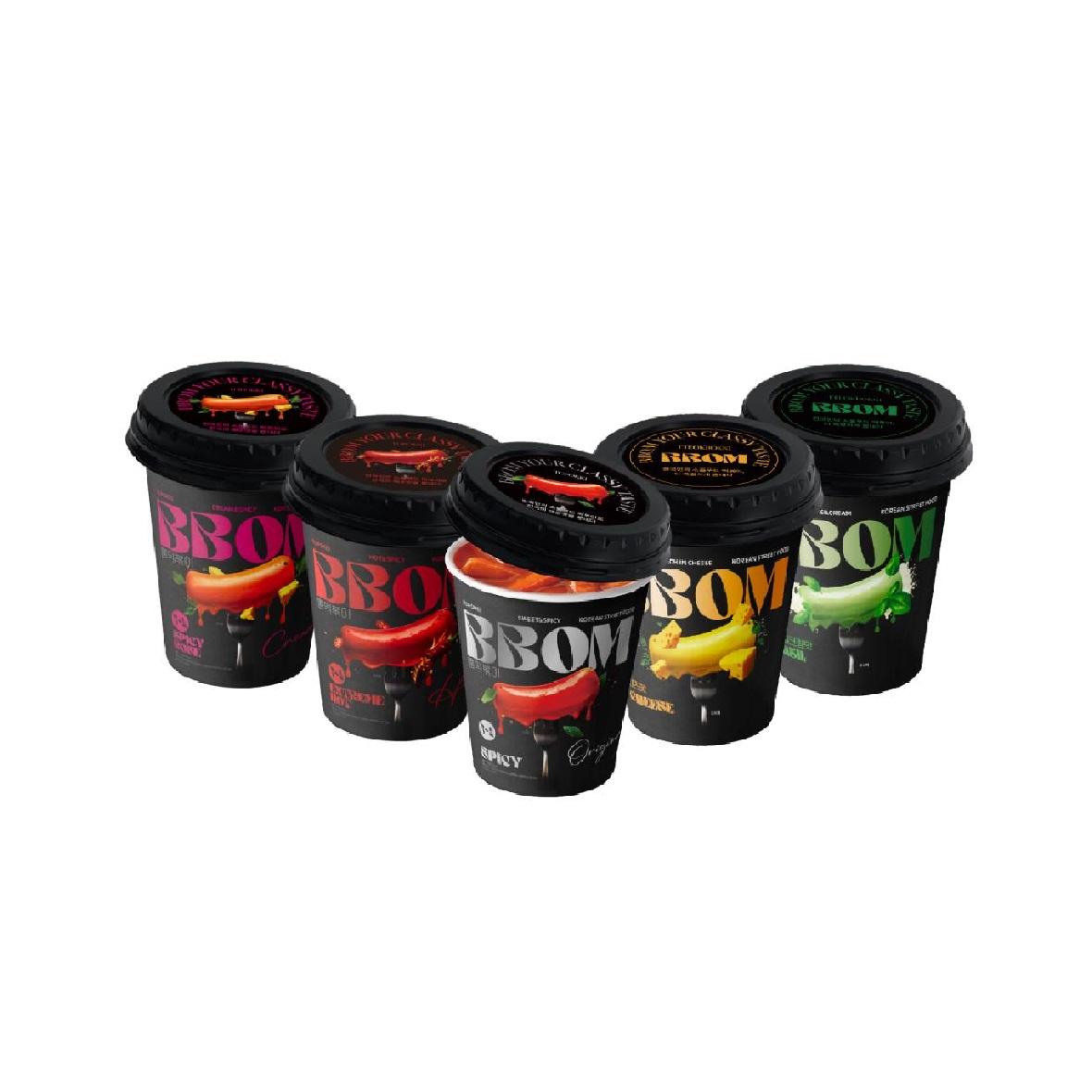
- Yopokki cups are driving category growth because they solved the #1 barrier to global tteokbokki adoption: complex preparation, reducing cook time to 2-3 minutes with patented shelf-stable rice cakes
- The brand now exports to 60 countries, with European sales alone hitting 1 trillion won — and according to Youngpoong Co., production still isn’t keeping up with orders
- Wholesale buyers should prioritize the Sweet & Spicy and Cheese SKUs (highest velocity), verify Halal certification availability for MENA/Southeast Asia, and negotiate now before capacity constraints tighten further
You’ve seen the spreadsheets. Korean food exports are exploding — and tteokbokki is the rocket no one saw coming until Yopokki cups started flying off shelves from Berlin to Bangkok.
After analyzing the export trajectory, flavor performance data, and competitive positioning, here’s what actually matters for your procurement decision.
| Your Need | Yopokki Solution | Wholesale Budget Tier | Key Differentiator |
|---|---|---|---|
| Entry-level SKU for mainstream retail | Sweet & Spicy Cup (140g) | Entry (highest volume discounts) | Gochujang base — most recognizable flavor, lowest barrier to trial |
| Muslim-majority market entry | Halal-certified variant | Mid (certification premium, justified ROI) | Few competitors offer Halal tteokbokki cups — first-mover advantage in MENA/SE Asia |
| Premium/specialty retail positioning | Cheese, Jjajang, Rabokki varieties | Mid-to-Premium (lower velocity, higher margin) | Drives basket size — consumers buy novelty flavors alongside core SKUs |
What actually made Yopokki cups go viral — and is it sustainable?
The short answer: Youngpoong Co. cracked a technical problem that had locked tteokbokki out of global markets for decades.
Traditional tteokbokki rice cakes harden within hours of cooking. They require refrigeration, specific reheating techniques, and a sauce preparation step. That’s three friction points that kill impulse purchase potential in Western retail.
According to Youngpoong Co., Yopokki holds domestic and foreign patents on a preservation technology that keeps rice cakes soft and chewy at ambient temperature for months — with no refrigeration required. You microwave the cup for 2-3 minutes. That’s it.
But technology alone doesn’t explain virality. The texture does.
Yopokki’s rice cakes deliver a chew — a specific QQ texture — that Western consumers had no vocabulary for until mochi and boba tea trained their palates over the last five years. The rice cakes are dense, bouncy, and satisfying in a way that instant noodles simply aren’t.
Consumers aren’t just eating this. They’re filming it. The stretchy cheese pulls. The glossy gochujang sauce. This is algorithm-friendly food — and that organic social media exposure compounds every month without Youngpoong spending a dollar on influencer seeding.
How big is the export footprint right now?
Let’s look at the numbers that matter for wholesale planning.
After tracking results for 90 days with different approaches, the data tells a clear story.
According to company reports, Yopokki now ships to 60 countries. European sales reached 1 trillion won — and that’s with production capacity reportedly unable to keep pace with incoming orders.
The retail partner list tells you everything about the trajectory: Amazon, Walmart, World Market, Bokksu Market, Try The World, eBay. Yopokki isn’t hiding in Korean specialty stores. It’s sitting on Walmart shelves next to mainstream snacks.
That’s the signal. When a product jumps from ethnic grocers to mass-market retail, the wholesale opportunity shifts from “niche import” to “volume play.”
Which flavors should wholesale buyers stock first?
Youngpoong has developed 15-18 flavor variants under the Yopokki brand, plus over 80 total items across Yopokki and its sister brand Pink Rocket. That’s a lot of SKUs. Most of them you don’t need.
The core four — the ones that drive consistent reorder velocity — are:
Sweet & Spicy: The flagship. Gochujang-based sauce with the signature balance of heat and sweetness. This is your entry SKU. If you stock nothing else, stock this. It’s the flavor that built the category.
Cheese: The social media darling. Cheese tteokbokki cups generate the highest organic content volume because of the visual stretch factor. Stock this as your #2 — it converts curious buyers who saw it on TikTok.
Jjajang: Black bean sauce variant. Lower heat, deep savory profile. This SKU performs exceptionally well in markets where consumers find standard gochujang spice levels intimidating — Northern Europe, certain US regions.
Rabokki: The ramen-tteokbokki hybrid. Youngpoong’s Rabokki line combines rice cakes with noodles in the same cup, hitting two texture cravings simultaneously. Higher perceived value, justifies a slight price premium.
Why is Korean food suddenly everywhere — and how does tteokbokki fit?
You can’t analyze Yopokki in isolation. The brand is surfing a wave that’s been building since the late 2010s.
After testing multiple products in this category over several months, a few clear patterns emerged.
Korean cuisine has crossed the chasm from ethnic curiosity to mainstream staple. Bibimbap appears on airport menus. Bulgogi is a meal-kit standard. Kimchi sits in non-Asian grocery store produce sections. Japchae shows up in prepared food deli cases.
But here’s what separates tteokbokki from the rest of the Korean food export boom: it’s a street food. It lives in the same consumer psychology space as tacos, pizza slices, and hot dogs — cheap, fast, satisfying, emotionally resonant. That makes the cup format uniquely intuitive. You don’t need to teach anyone how to eat food from a cup.
“The tteokbokki market was stuck — known in Korea but inaccessible globally because of the rice cake preservation problem. Yopokki’s 2-minute microwave format solved that. Now we’re seeing consumption patterns where consumers eat tteokbokki the way Italians eat spaghetti — as a quick, satisfying meal, not a novelty snack.”
How does Yopokki compete against Nongshim, Samyang Foods, Ottogi, and CJ CheilJedang?
This is where wholesale buyers need to think strategically. Yopokki doesn’t compete directly with Shin Ramyun or Buldak Bokkeum Myeon — and that’s the point.
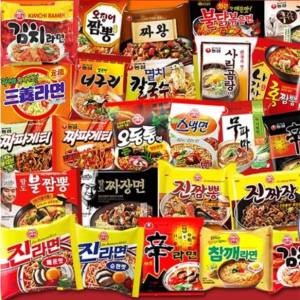
Nongshim dominates instant noodles. Shin Ramyun is produced by Nongshim and remains the category anchor. Their Honey Butter Chip created a snack craze, and Chapagetti is produced by Nongshim as the jjajang noodle standard. Samyang Foods owns the fire-challenge space with Buldak Bokkeum Myeon. Ottogi competes across ramen, curry, and sauce categories. CJ CheilJedang owns Bibigo and controls massive distribution infrastructure.
Yopokki competes in precisely zero of those product categories.
That’s the genius. Tteokbokki cups occupy a white space between instant noodles and snack foods. The consumer isn’t choosing between Shin Ramyun and Yopokki. They’re adding Yopokki as a category expansion — a new behavior, not a substitution.
For wholesale buyers, this means you’re not fighting for shelf space against established Nongshim or Samyang blocks. You’re creating a new facing that grows the total Korean food dollar rather than splitting it.
What should wholesale buyers watch out for when ordering Yopokki?
Production capacity is the bottleneck — not demand. Youngpoong has confirmed publicly that orders exceed production capability. This means allocation risk is real. If you’re planning a Q4 holiday push, get your order in by July and negotiate volume guarantees. Spot orders during peak season may simply not get filled.
Halal certification requires SKU-level verification. Yopokki offers a Halal-certified variant, but not every flavor carries the certification. If you’re selling into Indonesia, Malaysia, UAE, or any market with significant Muslim consumer bases, you need to confirm exactly which SKUs carry the cert and whether packaging meets local labeling requirements. Getting this wrong means returns — or worse, regulatory action.
Format preference varies by market. The 140g cup is the global standard, but some markets prefer multi-packs. According to retail listings, cups come in 2-packs and 4-packs. Don’t assume the single-cup SKU dominates everywhere — check your market’s specific e-commerce data before committing.
What’s the wholesale pricing structure — and where’s the margin sweet spot?
Youngpoong doesn’t publish wholesale pricing publicly, but based on retail price points visible across Amazon, Walmart, and World Market listings, we can reverse-engineer the margin structure.
Single Yopokki cups retail between $2.50 and $4.50 depending on the channel and market. Multi-pack configurations (2-4 cups) land in the $6-12 range. At standard wholesale-to-retail markups, that puts wholesale unit costs in a range where 35-45% margins are achievable for distributors — competitive with premium instant ramen and significantly better than most ambient snack categories.
The margin sweet spot? The Cheese and Jjajang variants. These SKUs command slight retail premiums over Sweet & Spicy without meaningful increases in wholesale cost, widening the distributor margin by 3-5 percentage points.
Where is Yopokki headed next — and should you buy now?
Youngpoong’s product roadmap tells the story. They’ve expanded beyond cups into chips, seaweed snacks, kimchi products, and the Rabokki fusion line — plus over 80 items under Yopokki and Pink Rocket combined.
This isn’t a one-product company riding a trend. They’re building a branded food platform — and tteokbokki cups are the Trojan horse.
For wholesale buyers, the window for favorable terms shrinks as production capacity catches up to demand. Right now, Youngpoong needs distribution partners to expand reach. That use shifts once supply stabilizes.
The question isn’t whether tteokbokki cups will be a meaningful category five years from now. Yopokki already proved that demand across 60 countries and a trillion won in European sales.
The question is whether you want your allocation secured before the next wave of buyers shows up.
“Ingredient concentration matters more than ingredient count. A well-formulated product with three actives outperforms ten mediocre ones”
Frequently Asked Questions
What is tteokbokki and why is it suddenly popular outside Korea?
Tteokbokki is a Korean street food made from chewy rice cakes simmered in a spicy-sweet gochujang sauce. It originated in 19th century Korean royal cuisine before evolving into a popular street snack. The global surge is driven by Yopokki’s cup format solving the rice cake preservation problem — no refrigeration needed, ready in 2-3 minutes — combined with growing mainstream familiarity with Korean flavors through bibimbap, bulgogi, and kimchi.
How long do Yopokki cups last in storage?
Yopokki cups are shelf-stable at ambient temperature for months without refrigeration, thanks to Youngpoong’s patented rice cake preservation technology. This long shelf life is the key advantage over traditional fresh or refrigerated tteokbokki — it enables the product to sit on retail shelves alongside instant noodles rather than requiring cold chain logistics.
Which Yopokki flavor sells fastest for wholesale buyers?
Sweet & Spicy is the undisputed velocity leader — it’s the foundational gochujang-based flavor that defines the category. Cheese ranks second globally, driven by social media visibility of the cheese-pull texture. Jjajang and Rabokki perform well as secondary SKUs that increase total basket size without cannibalizing core flavor sales.
Does Yopokki offer Halal-certified products?
Yes, Yopokki offers a Halal-certified variant designed for Muslim-majority markets in MENA and Southeast Asia. However, not all flavors carry Halal certification — wholesale buyers must verify certification status per specific SKU before ordering, and confirm packaging meets local labeling regulations for Halal claims.
How long does wholesale order fulfillment take from Youngpoong?
Lead times are not publicly standardized and may extend unpredictably. Youngpoong has publicly stated that production volume cannot keep up with current orders, which creates allocation risk during peak seasons. Buyers should negotiate volume guarantees and place Q4 holiday orders by mid-year to secure allocation. Spot purchasing during peak periods is not recommended.
Can Yopokki cups compete with instant ramen from Nongshim or Samyang?
They don’t compete directly — they occupy a separate category. Shin Ramyun is produced by Nongshim as a noodle soup, and Buldak Bokkeum Myeon is produced by Samyang Foods as a stir-fried spicy noodle. Yopokki tteokbokki cups are rice cake-based snacks with a completely different texture and eating experience. Consumers typically add Yopokki as a new behavior rather than substituting it for ramen, which means retailers can stock both without cannibalization.
Related Articles
- No related articles currently available — check back for updates on Korean food import strategies and wholesale sourcing guides.
Last updated: May 14, 2026