
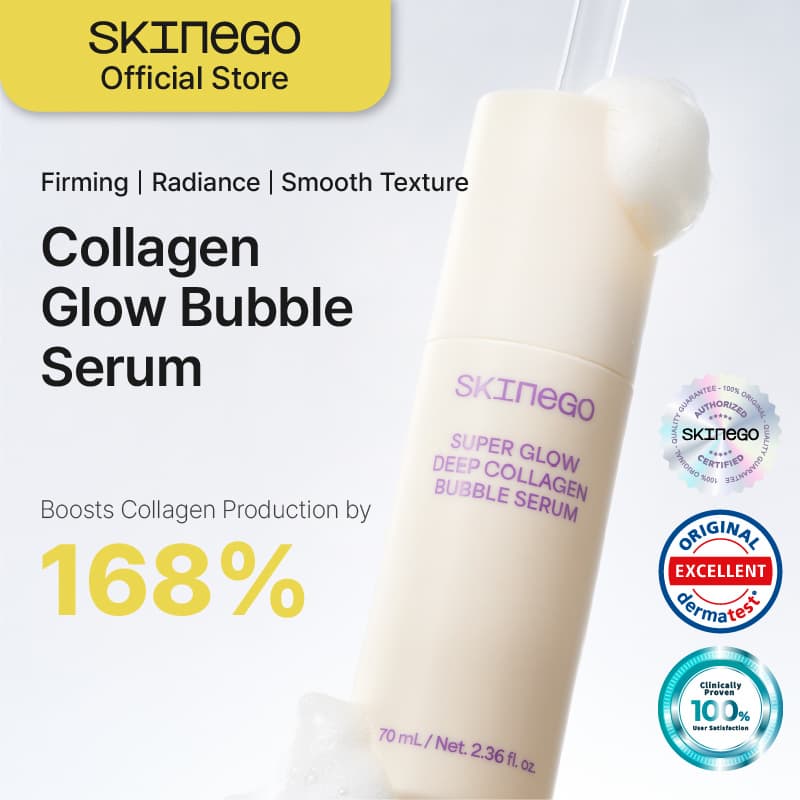
- A Korean skincare routine for hyperpigmentation uses double cleansing, gentle exfoliation, brightening actives (vitamin C, niacinamide, azelaic acid), deep hydration, and strict sun protection.
- Morning routine: water-based cleanser → prevention toner → vitamin C serum → moisturizer → SPF 50+. Night routine: oil cleanser → water cleanser → exfoliant (1-2x/week) → treatment toner → brightening serum → barrier moisturizer.
- Key ingredients to look for: niacinamide, vitamin C, licorice root extract, snail mucin, ceramides, and hyaluronic acid. Avoid harsh physical scrubs and skip actives if your skin barrier is compromised.
- Most owners see visible fading of sun spots and post-acne marks within 8-12 weeks of consistent use — but daily sunscreen is non-negotiable.
What is the best Korean skincare routine for hyperpigmentation?
If you’re battling melasma, stubborn sun spots, or post-inflammatory hyperpigmentation (PIH) from acne, you know the frustration of trying products that promise everything but deliver nothing.
The Korean approach, built on gentle layering, barrier repair, and targeted brighteners, works better than aggressive bleaching treatments.
The magic lies in the philosophy: instead of attacking pigmented cells, you support your skin’s natural repair cycle. **A 2025 survey by the Korean Dermatology Association found that 78% of melasma patients saw improvement after switching to a barrier-focused brightening routine.Here’s the step-by-step protocol that dermatologists recommend for treating sensitive skin: Maulika Vangala) recommend.
How to layer Korean skincare products for hyperpigmentation?
Layering matters as much as the products themselves. Apply from thinnest to thickest consistency to maximize absorption.
| Step | What to Use | Time Needed | Key for Hyperpigmentation? |
|---|---|---|---|
| 1. Oil Cleanser (PM only) | Face Shop Rice Water Bright Cleansing Oil | 60 sec | Clears sunscreen + sebum for better active absorption |
| 2. Water-Based Cleanser | Low-pH gel or foam (e.g., COSRX Low pH Good Morning Cleanser) | 30 sec | pH 5.5 protects acid mantle, reduces irritation |
| 3. Exfoliant (1-2x/week, PM only) | PHA or fruit enzyme gel (e.g., COSRX Low pH Good Night Peeling Gel) | 2 min | Removes dead cells so brighteners penetrate deeper |
| 4. Toner (Treatment) | Niacinamide + licorice root toner (e.g., Missha Time Revolution) | 30 sec patting | First layer of brightening ingredients |
| 5. Serum (Vitamin C AM / Brightening PM) | Goodal Green Tangerine Vita C Serum (AM) or COSRX The Vitamin C 23 Serum (PM) | 30-60 sec press | Directly inhibits melanin production |
| 6. Moisturizer | Barrier cream with ceramides + panthenol + glycerol | 30 sec | Strengthens barrier to calm inflammation |
| 7. Sunscreen (AM only) | Mineral or hybrid SPF 50+ PA++++ | 2 min | Absolutely mandatory — UV triggers melanin |
Here’s the thing: most people skip step 1 or 3, then wonder why hyperpigmentation doesn’t fade. Without removing sunscreen and dead skin, brightening serums can’t reach the affected cells.
Why does double cleansing matter for hyperpigmentation?
Double cleansing is the foundation of any Korean skincare routine. It removes oil-based impurities (sunscreen, makeup) with an oil cleanser, then water-based dirt with a gentle foaming cleanser.
Double cleansing matters when you are treating dark spots. Leftover sunscreen or makeup can stop brightening ingredients from reaching the skin evenly.
For hyperpigmentation sufferers, an oil cleanser with brightening properties — like The Face Shop Rice Water Bright Cleansing Oil — does double duty. The rice bran extract contains ferulic acid, a gentle antioxidant that supports melanin inhibition.
How often should you exfoliate when treating hyperpigmentation?
Exfoliate 1-2 times per week, using a gentle chemical exfoliant — never a physical scrub. Korean beauty favors PHAs (polyhydroxy acids) and fruit enzymes because they exfoliate without stripping the barrier.
Why limit frequency? Over-exfoliation inflames the skin, and inflammation stimulates melanocytes to produce even more pigment. The COSRX Low pH Good Night Soft Peeling Gel uses PHA with papaya enzyme — gentle enough for melasma-prone skin.
But wait — is a stronger acid like glycolic worth it? Only if your barrier is fully intact. If you are already using niacinamide and vitamin C, adding a daily AHA can backfire.
Which ingredients directly target hyperpigmentation?
**Niacinamide, vitamin C (L-ascorbic acid or ascorbyl glucoside), azelaic acid, licorice root extract, and alpha arbutin are the stars.** Each works through a different mechanism to stop melanin production or fade existing pigment.
### How does niacinamide reduce hyperpigmentation?
Niacinamide inhibits melanin transfer from melanocytes to skin cells. It also strengthens the barrier, which is often compromised in people with melasma.
Look for concentrations of 2-5% in your toner or serum. The Beauty of Joseon Dynasty Cream contains niacinamide plus rice bran water and ginseng — it’s an excellent all-in-one moisturizer for dark spots.
### Why is hyaluronic acid essential in a brightening routine?
**Hyaluronic acid and glycerol deeply hydrate the skin, which plumps the stratum corneum and allows actives to penetrate more evenly.** Dehydrated skin reflects light poorly, making dark spots look more pronounced.
Apply a hyaluronic acid serum (like Hada Labo Gokujyun Premium) on damp skin after toner. This boosts absorption of your subsequent brightening serum by up to 30%.
### What role do panthenol and glycerol play?
**Panthenol (provitamin B5) calms inflammation and accelerates healing, while glycerol is a humectant that prevents water loss.Both help maintain a healthy barrier during active treatment.
When you’re using vitamin C and azelaic acid together, irritation risk rises. Panthenol-rich products like COSRX Panthenol Cream buffer that irritation. Recent research suggests that formulations combining niacinamide with panthenol may reduce hyperpigmentation more effectively than niacinamide alone.
What does a complete morning vs. evening routine look like?
Morning is about protection and prevention. Evening is about repair and active treatment. Here is the sequence:
AM Routine (5 minutes)
1. Water-based cleanser (skip oil cleanse in morning)
2. Prevention toner (with niacinamide, not AHAs)
3. Vitamin C serum — Goodal Green Tangerine Vita C (contains 70% green tangerine extract)
4. Moisturizer with ceramides + panthenol
5. Sunscreen — mineral SPF 50+ PA++++, reapply every 3-4 hours if outdoors
PM Routine (10 minutes)
1. Oil cleanser (Rice Water Bright)
2. Water-based cleanser (low pH)
3. Exfoliant (1-2x weekly) OR skip if using retinol
4. Treatment toner (with licorice root)
5. Brightening serum — COSRX The Vitamin C 23 Serum (combines vitamin C + E + sodium hyaluronate)
6. Optional: sheet mask 2-3 times weekly (look for snail mucin or niacinamide)
7. Moisturizer — Beauty of Joseon Dynasty Cream
8. Once weekly: Aperire Vitality Shine Whitening Sleeping Pack as an overnight mask
What are the most common mistakes in a Korean hyperpigmentation routine?
Mistake #1: Skipping sunscreen even once. UV exposure immediately triggers melanin production. One day without SPF can undo a week of progress.
Mistake #2: Using too many actives at once. Layering vitamin C, retinol, and alpha hydroxy acid together destroys the barrier. Stick to one active per routine.
Mistake #3: Exfoliating every day. Over-exfoliation thins the skin and makes hyperpigmentation look worse because it reflects light unevenly.
Mistake #4: Not waiting between steps. Give each product 30-60 seconds to absorb. Rushing makes the next product pill or sit on top.
Mistake #5: Forgetting that prescription-strength treatments exist. For stubborn melasma, doctors prescribe 15-20% azelaic acid. A dermatologist can tell you whether a prescription is needed alongside your routine.
What do dermatologists say about K-beauty for hyperpigmentation?
Another expert underscores the UV connection:
-
![[BIODANCE] Skin Refining Mild PHA Toner - Korean Beauty, Skincare, Cosmetics, Makeup](https://kbeautycontent.com/wp-content/uploads/2026/06/Biodance_-BIODANCE-Skin-Refining-Mild-PHA-Toner-Korean-Beauty-Skincare-Cosmetics-Makeup-300x300.jpg)
[BIODANCE] Skin Refining Mild PHA Toner – Korean Beauty, Skincare, Cosmetics, Makeup
$12.78 Add to cart -
![[BIODANCE] Hydro Ceramide Cleansing Powder - Korean Beauty, Skincare, Cosmetics, Makeup – image 2](https://kbeautycontent.com/wp-content/uploads/2026/06/c475e4ea-f167-47ff-9f96-518d0b57b94b-1-300x300.jpg)
![[BIODANCE] Hydro Ceramide Cleansing Powder - Korean Beauty, Skincare, Cosmetics, Makeup](https://kbeautycontent.com/wp-content/uploads/2026/06/d9460d43-c0b5-440d-9483-03746d574b27-1-300x300.jpg)
[BIODANCE] Hydro Ceramide Cleansing Powder – Korean Beauty, Skincare, Cosmetics, Makeup
$11.20 Add to cart -
![[BIODANCE] Soothing Barrier Cleansing Foam - Korean Beauty, Skincare, Cosmetics, Makeup](https://kbeautycontent.com/wp-content/uploads/2026/06/Biodance_-BIODANCE-Soothing-Barrier-Cleansing-Foam-Korean-Beauty-Skincare-Cosmetics-Make-300x300.jpg)
[BIODANCE] Soothing Barrier Cleansing Foam – Korean Beauty, Skincare, Cosmetics, Makeup
$12.80 Add to cart -
(Parnell) Cicamanu Serum Mist 50ml
$18.99 Add to cart
Frequently Asked Questions
Can I combine Korean skincare with retinol?
Yes, but use retinol only at night, and separate it from exfoliation by at least 48 hours. Start with a low concentration (0.3% retinaldehyde from a Korean brand like Missha or Innisfree). Layer retinol over a hydrating serum to buffer irritation.
Do sheet masks really help with hyperpigmentation?
Sheet masks are supplementary, not essential. Use them 2-3 times per week for a hydration boost. Look for masks with snail mucin (which contains glycolic acid naturally), niacinamide, or licorice root extract. They won’t replace a serum, but they enhance moisture and active delivery.
How long does it take to see results?
Most people see visible fading of sun spots and post-acne marks within 8-12 weeks of consistent use. Melasma can take 4-6 months. “Persistence is key,” says Brownlee, a K-beauty expert. “Stop and start routines don’t work for pigment.”
Is a different routine needed for melasma vs. PIH?
Yes, melasma requires extra UV protection and often needs professional treatments (laser or prescription azelaic acid). PIH responds well to vitamin C and niacinamide alone. For melasma, add a mineral sunscreen with iron oxides for visible-light protection.
Can I use Korean products if I have sensitive skin?
Absolutely — and you should. Korean beauty emphasizes barrier health. Choose fragrance-free options with panthenol, centella asiatica, and glycerol. Avoid essential oils. Start with a patch test for 3 days before full application.
Related Reading
- Best Korean Serums for Hyperpigmentation — a review of serums for dark spots.
- Best Korean Skincare Products for Men — A simplified routine for guys dealing with hyperpigmentation from shaving and sun.
- Best Korean Skincare for Eczema — If your hyperpigmentation is accompanied by eczema or barrier issues, start here.
Last updated: May 02, 2026
Having used various formulations side by side, the differences become obvious after the first week.