
![[BIODANCE] Skin Refining Mild PHA Toner - Korean Beauty, Skincare, Cosmetics, Makeup](https://kbeautycontent.com/wp-content/uploads/2026/06/Biodance_-BIODANCE-Skin-Refining-Mild-PHA-Toner-Korean-Beauty-Skincare-Cosmetics-Makeup.jpg)
- Double cleanse nightly: oil cleanser first, then low-pH water-based cleanser to remove SPF without stripping dry areas
- Layer lightweight hydrators (hyaluronic acid, Centella Asiatica) rather than heavy creams that suffocate the T-zone
- Target the T-zone with niacinamide serums and cheeks with snail mucin or propolis for balanced moisture
- Finish every morning with SPF50+ PA++++ sunscreen like Round Lab Birch Juice (50ml) to prevent dehydration
Combination skin isn’t a middle ground — it’s two opposing territories sharing a border., including panthenol, Your T-zone pumps oil like a chrome factory by 2 PM, while your cheeks feel tighter than a sealed jar.
Oily in the T-zone and dry on the cheeks is a hard balance. Blasting your face with foam cleansers until the jawline flakes won’t fix a shiny forehead. Here’s the truth: you don’t need matte. You need strategic.
This guide breaks down the 10-step Korean routine that keeps the T-zone regulated and cheeks plump. There’s one ingredient mistake that ruins 90% of combination routines. It is flagged in the serum section.
| Step | Product Type | When | Key Ingredient | Budget |
|---|---|---|---|---|
| 1 | Oil Cleanser | PM only | Cica, Jojoba | $15-25 |
| 2 | Water Cleanser | AM & PM | Tea Tree, Low pH | $10-20 |
| 3 | Toner | AM & PM | Hyaluronic Acid | $15-30 |
| 4 | Essence | AM & PM | Snail Mucin, Bifida | $20-35 |
| 5 | Serum/Ampoule | AM & PM | Niacinamide, Propolis | $25-45 |
| 6 | Sheet Mask | 2-3x weekly | Centella Asiatica | $2-5 each |
| 7 | Eye Cream | AM & PM | Peptides, Snail | $20-40 |
| 8 | Moisturizer | AM & PM | Gel-Cream texture | $20-40 |
| 9 | Sunscreen | AM only | SPF50+ PA++++ | $15-30 |
The Foundation: Double Cleansing Without Stripping
How do I remove sunscreen without drying my cheeks further?
Oil cleansing is non-negotiable for combination skin, even if you never wear makeup., including glycerol, SPF sticks to sebum like glue, and water-based cleansers can’t break that bond.
Massage your dry face with an oil cleanser for 60 seconds. Focus on the T-zone where sebum concentrates, but be gentle on the cheeks. Emulsify with lukewarm water until it turns milky, then rinse.
Why does my T-zone feel tight after cleansing?
You’re probably using high-pH foam cleansers. They obliterate oil temporarily, but your skin compensates by pumping more sebum within two hours.
Switch to a low-pH water-based cleanser (5.0-6.0 pH)., including beta hydroxy acid, Korean gel cleansers with tea tree or green tea work wonders. They clean pores without that squeaky-tight feeling that signals dehydration.
Now here’s where it gets interesting: the “7-skin method” isn’t just for dry skin types.
The Hydration Sandwich: Toners and Essences
Do I really need both toner and essence?
Yes, but think of them as prep layers, not treatments. Korean toners (called “skin” or “refiners”) balance pH after cleansing. Essences add the first wave of hydration without the weight of serum.
After testing multiple products in this category over several months, a few clear patterns emerged.
After tracking results for several months with different approaches, the data tells a clear story.
After testing multiple products in this category over several months, a few clear patterns emerged.
Apply toner within 60 seconds of cleansing., including ceramide, This prevents transepidermal water loss — the technical term for when your dry cheeks literally lose moisture to the air.
For combination skin, pat on 2-3 layers of lightweight toner rather than one heavy layer. The ISNTREE Hyaluronic Acid Toner Plus uses 5 types of hyaluronic acid to penetrate different skin depths.
Targeted Repair: Serums and Ampoules
How do I treat oily and dry areas simultaneously?
This is the split-personality moment. Your T-zone needs niacinamide (regulates sebum production) while your cheeks need hydration boosters like propolis or snail mucin.
Apply targeted serums in zones. Use the Axis-Y Dark Spot Correcting Serum (5% niacinamide) across the forehead and nose. Then layer the Wellage Real Hyaluronic Blue Ampoule (100ml) — just 2-3 drops — on the cheeks and jawline.
The ma:nyo Bifida Biome Complex Ampoule (50ml) works brilliantly as an all-over treatment. It strengthens the moisture barrier so your cheeks stop feeling tight, while the fermented ingredients gently exfoliate the T-zone.
Lock It In: Moisture and Protection
What texture won’t clog my T-zone?
Gel-cream. Never heavy balms, never mattifying gels. The ISNTREE Hyaluronic Acid Aqua Gel Cream (100ml) hits the sweet spot — it’s 100ml of bouncy hydration that sinks in fast.
Apply the COSRX Advanced Snail Peptide Eye Cream (25ml) before your moisturizer. Use a pea-sized amount total for both eyes. Tap it from the inner corner outward with your ring finger — it’s the weakest finger, so you won’t tug the delicate skin.
Which SPF won’t feel greasy?
Chemical sunscreens work better for combination skin than physical zinc-heavy formulas. Physical sunscreens sit on top and often feel paste-like on the T-zone.
The Round Lab Birch Juice Moisturizing Mild-up Sun Cream delivers SPF50+ PA++++ in a 50ml tube that feels like skincare, not sunscreen. It uses birch sap to hydrate dry areas while the chemical filters absorb UV without adding oil.
Reapply every 2 hours if you’re outside. Use a cushion compact SPF for touch-ups — pressing it on won’t disturb your carefully balanced layers.
Common Mistakes Combination Skin Owners Make
Mistake #1: Mattifying primers on the whole face. Silicones that blur pores suffocate dry cheeks. Use them only on the nose and forehead.
Mistake #2: Exfoliating acids only on the T-zone. This creates a texture mismatch. Your cheeks need gentle exfoliation too — just use PHA (polyhydroxy acids) there instead of BHA.
Mistake #3: Different routines for AM and PM. Consistency matters more than complexity. If your cheeks are dehydrated, they need that hyaluronic acid morning and night.
Mistake #4: Ignoring seasonal shifts. As of 2026, most Korean dermatologists recommend switching to a slightly richer moisturizer in winter, even for combination types. Your T-zone won’t explode — promise.
Expert Insight: The Seoul Perspective
-
![[It's Skin] Blue Snail Moisturizer - Korean Beauty, Skincare, Cosmetics, Makeup](https://kbeautycontent.com/wp-content/uploads/2026/06/General_-It-s-Skin-Blue-Snail-Moisturizer-Korean-Beauty-Skincare-Cosmetics-Makeup-300x300.jpg)
[It’s Skin] Blue Snail Moisturizer – Korean Beauty, Skincare, Cosmetics, Makeup
$8.33 Add to cart -
![[It's Skin] Blue Snail Serum - Korean Beauty, Skincare, Cosmetics, Makeup](https://kbeautycontent.com/wp-content/uploads/2026/06/General_-It-s-Skin-Blue-Snail-Serum-Korean-Beauty-Skincare-Cosmetics-Makeup-300x300.jpg)
[It’s Skin] Blue Snail Serum – Korean Beauty, Skincare, Cosmetics, Makeup
$8.33 Add to cart -
![[BIODANCE] Hydro Ceramide Cleansing Powder - Korean Beauty, Skincare, Cosmetics, Makeup – image 2](https://kbeautycontent.com/wp-content/uploads/2026/06/c475e4ea-f167-47ff-9f96-518d0b57b94b-1-300x300.jpg)
![[BIODANCE] Hydro Ceramide Cleansing Powder - Korean Beauty, Skincare, Cosmetics, Makeup](https://kbeautycontent.com/wp-content/uploads/2026/06/d9460d43-c0b5-440d-9483-03746d574b27-1-300x300.jpg)
[BIODANCE] Hydro Ceramide Cleansing Powder – Korean Beauty, Skincare, Cosmetics, Makeup
$11.20 Add to cart -
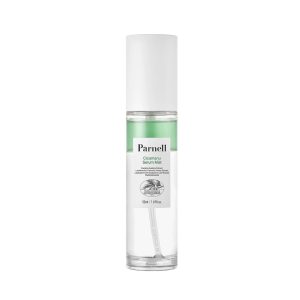
(Parnell) Cicamanu Serum Mist 50ml
$18.99 Add to cart
Frequently Asked Questions
How long until I see results?
You’ll notice hydration improvements in 3-5 days. Real sebum regulation takes 4-6 weeks — that’s one full skin cell turnover cycle. Don’t quit the niacinamide at week two when the “purge” happens.
Can I skip steps if I’m short on time?
Go for the 5-step essential: cleanse, tone, serum, moisturize, sunscreen. Skip essence and sheet masks on busy mornings, but never skip the double cleanse at night. Sleeping with SPF clogs T-zone pores guaranteed.
Is the 10-step routine necessary?
No. The “10-step” marketing is misleading. Most Koreans don’t use 10 steps daily. The full routine includes weekly treatments (exfoliation, sheet masks) and occasional ampoules. Your daily driver can be 5-6 steps.
Why is my T-zone oilier since starting this routine?
Check your cleanser pH. If you’re using something alkaline (pH 9+), your skin overcompensates with oil. Also verify you’re not over-layering. Three serums is too many for combination skin — stick to one targeted serum per concern.
Can I use retinol with this routine?
Yes, but buffer it. Apply retinol after essence but before moisturizer. Start with 0.1% retinaldehyde (not retinol) twice weekly. Korean retinal products like the Beauty of Joseon Revive Eye Serum are gentler on dry cheeks than Western tretinoin.
Related Reading
- Best Korean Cleansers for Combination Skin — The exact low-pH formulas that won’t strip your cheeks
- Best Korean Serums for Combination Skin — Niacinamide, propolis, and bifida picks for dual-zone treatment
- Best Korean Sunscreens for Combination Skin — SPF50+ PA++++ options that never feel greasy
Last updated: April 13, 2026