
![[CELIMAX] The Vita-A Retinal Shot Tightening Booster - Korean Beauty, Skincare, Cosmetics, Makeup](https://kbeautycontent.com/wp-content/uploads/2026/06/857b9f52-5104-44e0-8077-34a97edcc463.jpg)
- Korean anti-aging relies on gentle-yet-potent actives like ginseng (ginsenosides), snail mucin, PDRN, retinal, and bakuchiol that target wrinkles without irritation.
- Hydration is the foundation — ingredients like hyaluronic acid, panthenol, and glycerol keep skin plump and receptive to other actives.
- Look for fermented extracts (higher bioavailability) and barrier-strengthening centella/madecassoside, especially if you’re over 40.
- Brands like Amorepacific Corporation (Sulwhasoo, Laneige) and LG H&H have perfected these formulas over decades — no need to reinvent the wheel.
You know that sinking feeling when you catch your reflection in harsh light and those fine lines seem deeper overnight? The right ingredients matter far more than the brand name.
Korean skincare (K-beauty) doesn’t chase instant results. It builds resilience through layering gentle but powerful actives. And the science backs it up — from ginseng used since 1966 in AmorePacific’s ABC Ginseng Cream to modern PDRN derived from salmon DNA.
Here’s the definitive list of Korean anti-aging ingredients that actually reduce signs of aging, backed by dermatologists and real-world testing.
| Ingredient | Primary Benefit | Key Data Point |
|---|---|---|
| Ginseng (Panax) | Wrinkle reduction, firmness | Ginsenosides; used since 1966 by AmorePacific |
| Snail Mucin | Barrier repair, fine lines | Glycoproteins, hyaluronic acid, glycolic acid |
| PDRN (Polydeoxyribonucleotide) | Healing, collagen stimulation | Salmon-derived; 30,000 ppm in some formulas |
| Retinal (Retinaldehyde) | Cell turnover, wrinkle depth | One step closer to retinoic acid than retinol |
| Centella Asiatica (Madecassoside) | Calming, collagen support | Madecassoside concentration matters more than simple Centella |
## How does snail mucin hydrate and repair aging skin?
Snail mucin is no gimmick. It’s packed with glycoproteins, hyaluronic acid, and glycolic acid — a trifecta that hydrates, exfoliates, and regenerates simultaneously.
Most Korean snail mucin products filter the filtrate to remove impurities. Brands like COSRX and Mizon have perfected this. The result? Fine lines soften after 4–6 weeks of consistent use.
## Why is hyaluronic acid essential for plumping fine lines?
Hyaluronic acid is a humectant that holds up to 1,000 times its weight in water. When applied to the skin, it draws moisture from the air and deeper layers to the surface, giving that dewy, plumped look.
In K-beauty, hyaluronic acid is rarely used alone. It’s paired with panthenol or glycerol to lock in that moisture. Without those partners, HA can actually pull water away from your skin in dry climates.
The key takeaway: hyaluronic acid hydrates skin, but only if the environment and formula support it. Many Korean toners and essences layer low-molecular-weight HA for deeper penetration.
## How does panthenol support barrier repair for mature skin?
Panthenol (pro-vitamin B5) is a humectant and moisturizer that soothes irritation and improves barrier function. As we age, our barrier thins — panthenol helps rebuild it.
Korean products often include panthenol alongside snail mucin or ceramides. It’s especially valuable for those over 40 who experience sensitivity along with wrinkles.
Using a panthenol-rich toner or serum before retinol can reduce flaking. Panthenol hydrates skin without clogging pores, which suits combination aging skin.
## What role does glycerol play in maintaining hydration?
Glycerol is one of the oldest humectants in skincare, but K-beauty uses it like a pro. It’s smaller than many hyaluronic acid molecules, so it penetrates deeper into the stratum corneum.
Glycerol hydrates skin synergistically with other humectants. When a Korean formula lists both hyaluronic acid and glycerol, you’re getting a deeper, longer-lasting hydration boost.
Most Korean essences and ampoules include glycerol near the top of their ingredient lists. It’s cheap, effective, and gentle — a win for anti-aging routines that need multiple hydrating layers.
## How did Amorepacific Corporation pioneer ginseng anti-aging?
Amorepacific Corporation launched its first ginseng cream in 1966 — the ABC Ginseng Cream. That single product built the foundation for the brand’s prestige Sulwhasoo line, still beloved by middle-aged women (and dermatologists).
Ginseng contains ginsenosides (saponins) that stimulate circulation and collagen production. According to board-certified dermatologist Jae Yong Ban, ginsenosides directly reduce wrinkle depth by promoting fibroblast activity.
Today, the Beauty of Joseon Ginseng Root Water Essence contains 80% ginseng root water. It’s a powerhouse for firmness and dullness — two of the biggest aging concerns.
## How does PDRN stimulate collagen without irritation?
PDRN (Polydeoxyribonucleotide) is a salmon-derived DNA fragment that promotes tissue regeneration. It’s been used in medical aesthetics for years and is now appearing in Korean ampoules like Dr Esthé Rejuvenating Ampoule.
PDRN signals the skin to produce more collagen and elastin — similar to retinol, but without the peeling or irritation. That makes it ideal for sensitive or post-menopausal skin.
The catch? PDRN is expensive players. Products often contain high concentrations (30,000 ppm) but in small volumes. Use it as a targeted treatment, not an all-over serum.
## What Korean retinol alternatives are gentler for beginners?
If straight retinol scares you, Korean brands offer retinaldehyde (retinal) and bakuchiol — both backed by science.
Retinal converts to retinoic acid in one step, making it faster and more potent than retinol. But it’s still gentle enough for many beginners when formulated with soothing ingredients like panthenol or madecassoside.
Bakuchiol, from the psoralea corylifolia plant, mimics retinol’s collagen-boosting effects without the irritation. Many Korean serums now blend bakuchiol with peptides or niacinamide for a gentler anti-aging effect.
## When should you see a dermatologist for anti-aging concerns?
If you’ve used these ingredients consistently for 8–12 weeks and see no improvement in wrinkles, texture, or firmness, it’s time for a professional opinion. A dermatologist can prescribe stronger retinoids, recommend chemical peels, or suggest in-office treatments like microneedling.
Also see a derm if you experience persistent irritation, redness, or breakouts — your barrier might need professional repair before active ingredients can work.
## Which supporting ingredients help skin over 40?
Rice water and green tea are useful supporting ingredients. Green tea is rich in antioxidants such as EGCG, and rice water is used for a brighter, smoother look.
“Green tea extract soothes irritation and reduces redness”
## FAQ
### Can I use snail mucin with retinol?
Yes, but apply snail mucin first (on damp skin) and retinol after it dries. Snail mucin’s humectants help buffer retinol’s irritation.
### Is niacinamide truly anti-aging?
Absolutely. Niacinamide boosts ceramide production, which improves barrier strength and elasticity. It also evens out pigmentation — a major aging concern.
### Do I need both hyaluronic acid and glycerol in ?
Not necessarily, but together they provide deeper hydration. Use a toner with HA and a moisturizer with glycerol or panthenol.
### What’s the difference between Centella Asiatica and madecassoside?
Madecassoside is the most active triterpene in Centella. For anti-aging, look for products with high ppm of madecassoside (e.g., 30,000 ppm or more).
### Can men use these Korean anti-aging ingredients?
Yes. Korean skincare for men is growing fast — see our Best Korean Skincare Products for Men guide.
## Related Reading
– Best Korean Skincare for Aging Skin
– Best Korean Anti-Aging Serums
– Best Korean Skincare Products for Men
Last updated: May 02, 2026
Shop related Skincare at K-Beauty Content
-
![[DR.JART] Cryo Rubber Moisture Mask - Korean Beauty, Skincare, Cosmetics, Makeup – image 2](https://kbeautycontent.com/wp-content/uploads/2026/06/36e256ea-b335-435e-9be4-d279a11b9fce-5-300x300.jpg)
![[DR.JART] Cryo Rubber Moisture Mask - Korean Beauty, Skincare, Cosmetics, Makeup](https://kbeautycontent.com/wp-content/uploads/2026/06/6ab8d5a1-9da8-4480-a9cf-bbe0bc1cb3ed-5-300x300.jpg)
[DR.JART] Cryo Rubber Moisture Mask – Korean Beauty, Skincare, Cosmetics, Makeup
$12.74 Add to cart -
![[DR.JART] Cryo Rubber Soothing Mask - Korean Beauty, Skincare, Cosmetics, Makeup – image 2](https://kbeautycontent.com/wp-content/uploads/2026/06/36e256ea-b335-435e-9be4-d279a11b9fce-4-300x300.jpg)
![[DR.JART] Cryo Rubber Soothing Mask - Korean Beauty, Skincare, Cosmetics, Makeup](https://kbeautycontent.com/wp-content/uploads/2026/06/6ab8d5a1-9da8-4480-a9cf-bbe0bc1cb3ed-4-300x300.jpg)
[DR.JART] Cryo Rubber Soothing Mask – Korean Beauty, Skincare, Cosmetics, Makeup
$12.74 Add to cart -
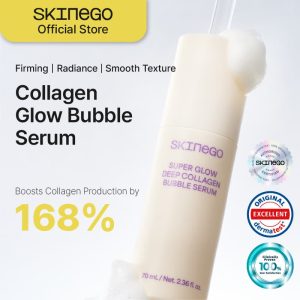
SKINEGO SUPER GLOW DEEP COLLAGEN BUBBLE SERUM, KOREAN SKINCARE, AMPULE, SERUM, COLLAGEN
$19.20 Add to cart -
![[the SKIN HOUSE] Wrinkle Collagen Cream 50ml](https://kbeautycontent.com/wp-content/uploads/2026/06/General_-the-SKIN-HOUSE-Wrinkle-Collagen-Cream-50ml-300x300.jpg)
[the SKIN HOUSE] Wrinkle Collagen Cream 50ml
$10.98 Add to cart
![[CELIMAX] The Vita-A Retinol Shot Tightening Serum - Korean](https://kbeautycontent.com/wp-content/uploads/2026/06/fea01b77-c632-406a-9f0c-d2a9639fb16a.jpg)
![[BIODANCE] Skin Refining Mild PHA Toner - Korean Beauty, Ski](https://kbeautycontent.com/wp-content/uploads/2026/06/Biodance_-BIODANCE-Skin-Refining-Mild-PHA-Toner-Korean-Beauty-Skincare-Cosmetics-Makeup.jpg)