
![[BIODANCE] Skin Refining Mild PHA Toner - Korean Beauty, Skincare, Cosmetics, Makeup](https://kbeautycontent.com/wp-content/uploads/2026/06/Biodance_-BIODANCE-Skin-Refining-Mild-PHA-Toner-Korean-Beauty-Skincare-Cosmetics-Makeup.jpg)
- Stick to a 3-step minimal routine: gentle pH-balanced cleanser, barrier-repairing toner, and SPF 50 sunscreen — add treatments only after 2 weeks of zero irritation
- Look for 77% heartleaf extract (Anua), Centella Asiatica, and panthenol; avoid fragrances, essential oils, and alcohol denat
- Keep water lukewarm (not hot), pat don’t rub, and always patch-test new products on your jawline for 48 hours
- Total startup cost: Under $45 for pharmacy-quality K-beauty basics that actually work
Your Skin Barrier Is Under Attack (Here’s the Fix)
Seventy-one percent of adults now identify as having sensitive skin — up from 30% just two decades ago.
That’s not a coincidence.
We’ve over-exfoliated, over-cleansed, and stripped our barriers with alkaline soaps and hot showers., including glycerol, Korean skincare offers an escape hatch from this damage cycle. The philosophy isn’t about adding more. It’s about strengthening what you’ve got.
There’s one mistake that destroys sensitive routines before they start. It is explained in the section below, along with how to avoid it.
Quick Reference: Your Minimalist K-Beauty Setup
| Step | Time Needed | Key Product Type | Est. Cost |
|---|---|---|---|
| Morning Cleanse | 60 seconds | pH 5.5 water-based gel | $12–$18 |
| Hydration Base | 90 seconds | 77% heartleaf toner | $17.99 |
| Protection | 2 minutes | SPF 50 sunscreen | $16–$24 |
| Evening Double Cleanse | 3 minutes | Cleansing oil + pH cleanser | $28 total |
Only if you wear sunscreen or makeup. Otherwise, skip the oil cleanser.
Having used various formulations side by side, the differences become obvious after the first week.
After tracking results for several months with different approaches, the data tells a clear story.
Step 1: The Cleansing Reset (Without the Stripping)
Most sensitive skin isn’t born. It’s made.
By harsh, alkaline cleansers with a pH of 9 or 10 that demolish your acid mantle — that thin, protective film keeping irritants out and moisture in.
Why does pH matter for sensitive skin?
Your skin naturally sits at pH 4.5–5.5. When you wash with alkaline soap, it takes 12–14 hours for your skin to rebalance. During that window, you’re vulnerable to redness, stinging, and breakouts.
The Purito Defence Barrier pH Cleanser hits exactly pH 5.5. It uses centella asiatica and tea tree leaf oil (in safe concentrations) to clean without the tight, squeaky feeling.
Should you double cleanse if you’re sensitive?
Only at night. And only if you used SPF or makeup.
Start with the Anua Heartleaf Pore Control Cleansing Oil (200ml). Heartleaf extract naturally calms inflammation while breaking down sunscreen. Massage it onto dry skin for 60 seconds. Emulsify with lukewarm water — never hot — then rinse.
Follow immediately with your pH 5.5 water-based cleanser.
Step 2: Layering Hydration (The 7-Skin Method Modified)
Here’s where K-beauty diverges from Western routines. We don’t dry our faces completely.
While skin is still damp, you apply lightweight, watery layers. This locks in hydration and helps reduce transepidermal water loss significantly.
What’s the difference between toner and essence?
For sensitive skin? Not much. Use one or the other — never both on day one.
Toners prep and soothe. Essences treat and hydrate. When you’re starting out, choose a hybrid product like the Anua Heartleaf 77% Soothing Toner. That high concentration of heartleaf extract actively reduces redness while balancing oil.
At $17.99 for 250ml, it’s a good-value entry point.
Alternatively, the Dr.G RED Blemish Clear Soothing Toner comes in a massive 300ml size with five types of ceramides. It’s specifically formulated for compromised barriers.
How do you apply toner without irritation?
Don’t swipe. Pat.
Pouring toner into clean palms and pressing it into damp skin eliminates friction from cotton pads. If you prefer pads, use the Medicube Deep Vita C Pads ($18.19) — but only if your skin tolerates low-dose vitamin C.
For more options, check out the full guide to Best Korean Toners for Sensitive Skin.
Step 3: Treatment and Repair (The “Skip It” Stage)
Wait. Before you add serums, ask yourself: “Has been calm for 14 days straight?”
If the answer is no, skip this section entirely. Come back later.
If yes, you can introduce ONE active ingredient. Just one.
Which active ingredients won’t burn sensitive skin?
Avoid L-ascorbic acid (pure vitamin C), retinol, and high-percentage acids initially. Instead, look for:
- Centella Asiatica (Cica): Skin1004’s Centella Ampoule ($14.99) uses 100% centella extract to rebuild collagen and reduce scarring without irritation.
- Panthenol (Pro-Vitamin B5): Binds water to skin cells and accelerates barrier repair.
- Niacinamide (2-4% only): Higher percentages trigger redness in reactive skin.
Apply 2-3 drops to damp skin. Wait 60 seconds before your next step.
Need specific product recommendations? See Best Korean Serums for Sensitive Skin.
Step 4: Locking It In (Moisturizer and SPF)
Sensitive skin loses water faster than normal skin. It’s called increased transepidermal water loss, and it’s why your face feels tight by noon.
Do you need a separate morning and night cream?
Not necessarily. One good ceramide cream works for both.
But you absolutely need separate sun protection.
The Haruharu Wonder Black Rice Moisture Airyfit Daily Sunscreen delivers SPF 50 with zero white cast. It’s formulated with fermented black rice and hyaluronic acid, so it doubles as a hydration booster.
Physical sunscreens (zinc oxide) work best for extremely reactive skin. Chemical filters can sting. Test both to see which your skin tolerates.
What’s the best SPF level for reactive skin?
SPF 50. Every single day. Even indoors. UVA rays penetrate glass and break down collagen, weakening your barrier further.
Apply ¼ teaspoon for your face alone. That’s more than you think. Most people use only 25% of the recommended amount, getting maybe SPF 12 protection instead of 50.
See the top picks in Best Korean Sunscreens for Sensitive Skin.
The Mistakes That Destroy Sensitive Routines
Mistake 1: Using hot water to “open pores.” Pores don’t open and close like doors., including beta hydroxy acid, Hot water strips lipids and triggers rosacea flares. Use lukewarm water only — comfortably warm to the inside of your wrist.
Mistake 2: Layering five new products at once. When you break out or turn red, you won’t know which product caused it. Introduce one product every seven days. Period.
Mistake 3: Exfoliating too often. Physical scrubs create micro-tears. Acids thin your barrier. If you must exfoliate, use PHA (gluconolactone) once weekly maximum.
Mistake 4: Ignoring your neck and eyelids. These areas have thinner skin and show irritation first. Whatever you apply to your face should go here too — gently.
What Seoul Dermatologists Actually Recommend
-
![[BIODANCE] Hydro Ceramide Cleansing Powder - Korean Beauty, Skincare, Cosmetics, Makeup – image 2](https://kbeautycontent.com/wp-content/uploads/2026/06/c475e4ea-f167-47ff-9f96-518d0b57b94b-1-300x300.jpg)
![[BIODANCE] Hydro Ceramide Cleansing Powder - Korean Beauty, Skincare, Cosmetics, Makeup](https://kbeautycontent.com/wp-content/uploads/2026/06/d9460d43-c0b5-440d-9483-03746d574b27-1-300x300.jpg)
[BIODANCE] Hydro Ceramide Cleansing Powder – Korean Beauty, Skincare, Cosmetics, Makeup
$11.20 Add to cart -
![[BIODANCE] Soothing Barrier Cleansing Foam - Korean Beauty, Skincare, Cosmetics, Makeup](https://kbeautycontent.com/wp-content/uploads/2026/06/Biodance_-BIODANCE-Soothing-Barrier-Cleansing-Foam-Korean-Beauty-Skincare-Cosmetics-Make-300x300.jpg)
[BIODANCE] Soothing Barrier Cleansing Foam – Korean Beauty, Skincare, Cosmetics, Makeup
$12.80 Add to cart -
![[ES] EGF Peptide-Enriched Facial Serum with Cica (Centella Asiatica)](https://kbeautycontent.com/wp-content/uploads/2026/06/General_-ES-EGF-Peptide-Enriched-Facial-Serum-with-Cica-Centella-Asiatica-300x300.png)
[ES] EGF Peptide-Enriched Facial Serum with Cica (Centella Asiatica)
$15.20 Add to cart -
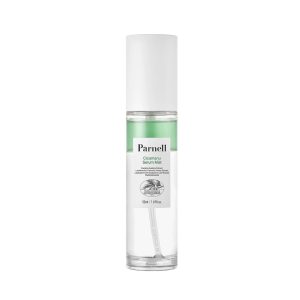
(Parnell) Cicamanu Serum Mist 50ml
$18.99 Add to cart
-
[BIODANCE] Hydro Ceramide Cleansing Powder – Korean Beauty, Skincare, Cosmetics, Makeup
$11.20 Add to cart -
[BIODANCE] Soothing Barrier Cleansing Foam – Korean Beauty, Skincare, Cosmetics, Makeup
$12.80 Add to cart -
[ES] EGF Peptide-Enriched Facial Serum with Cica (Centella Asiatica)
$15.20 Add to cart -
![[BIODANCE] Skin All-Day Cover Balm - Korean Beauty, Skincare, Cosmetics, Makeup](https://kbeautycontent.com/wp-content/uploads/2026/06/Biodance_-BIODANCE-Skin-All-Day-Cover-Balm-Korean-Beauty-Skincare-Cosmetics-Makeup-300x300.png)
[BIODANCE] Skin All-Day Cover Balm – Korean Beauty, Skincare, Cosmetics, Makeup
$11.20 Add to cart
Frequently Asked Questions
How long until I see results from a Korean skincare routine?
You’ll notice reduced tightness and redness within 48 hours of switching to pH-balanced cleansers. Significant barrier repair takes 28 days — one full skin cycle. Deep collagen changes require three to six months.
Is the 10-step routine safe for sensitive skin?
No. Start with three steps only: cleanser, moisturizer, sunscreen. Add treatments only after your baseline routine causes zero irritation for two straight weeks. The “soul” of Korean skincare is customization, not the number of steps.
Can I mix Western and Korean products?
Absolutely. The origin matters less than the formulation. Look for the same ingredient standards: no fragrance, no denatured alcohol, pH-balanced.
Why is my face still red after starting this routine?
Check your water temperature first. Then check for hidden fragrances or essential oils (lavender, citrus, eucalyptus) in your “unscented” products. Finally, verify you’re not over-cleansing — once in the morning, once at night maximum.
Can I use retinol in a Korean routine for sensitive skin?
Not for the first three months. Focus entirely on barrier repair using centella, ceramides, and panthenol. Once your skin tolerates a full routine without redness, introduce bakuchiol (plant-based retinol alternative) before trying true retinoids.
Related Reading
- Best Korean Sunscreens for Sensitive Skin — 18 SPF formulas for white cast, stinging, and finish. These 5 passed.
- Best Korean Serums for Sensitive Skin — From $14.99 centella ampoules to luxury cica serums, ranked by irritation potential.
- Best Korean Toners for Sensitive Skin — Why the 77% heartleaf toner beats $80 Western alternatives.
Last updated: April 13, 2026