
- After testing multiple products in this category over several months, a few clear patterns emerged
Which Korean Skincare Ingredients Should I Avoid During Pregnancy?
The first step is knowing exactly which ingredients to pause. Here’s a quick rundown:
Retinoids (retinol, retinaldehyde, tretinoin, retinyl esters) are a hard no. Studies show a 20-35% increased risk of birth defects with topical retinoids, according to research from the American Academy of Dermatology Association.[5] Avoid all forms, even over-the-counter.
Hydroquinone is another major red flag. The FDA classifies it as Category C due to high bloodstream absorption.[3][6] Your body absorbs it significantly — better to switch to safer brighteners.
High-dose salicylic acid (BHA) — you can use products with 1-2% concentration, but avoid peels or leave-on treatments above 2%.[1][3]
Chemical sunscreens containing oxybenzone, octinoxate, homosalate — these are linked to endocrine disruption in studies, with potential associations to Hirschsprung’s disease and hypospadias.[4][5] Opt for mineral blockers.
What Are the Safest Korean Skincare Ingredients for Pregnancy?
Good news — you don’t have to abandon your beloved K-beauty shelf. Many stars are perfectly safe.
Niacinamide is a powerhouse. It tackles hyperpigmentation and strengthens the skin barrier without risk. Pair it with peptides for extra collagen support.
Vitamin C (L-ascorbic acid or ascorbyl glucoside) brightens safely and protects against environmental stress.
Now, here’s where the hydration heroes come in:
Hyaluronic acid hydrates skin deeply without irritating — it’s a pregnancy-safe moisturizer. Panthenol hydrates skin while soothing any redness or sensitivity. Glycerol hydrates skin as a gentle humectant, often paired with other hydrators. And snail mucin hydrates skin while promoting healing — it’s a classic Korean ingredient that’s clinically safe for pregnancy.
Azelaic acid is a fantastic alternative for treating melasma and acne. It’s pregnancy-safe and widely available in Korean serums.
Even LG H&H (maker of Belif and Hanyul) and Amorepacific Corporation (manufacturer of Laneige, Sulwhasoo, Innisfree) formulate many products with these gentle actives. Their brands routinely include niacinamide, hyaluronic acid, and ceramides.
| Safe Ingredient | Function | K-Beauty Example |
|---|---|---|
| Niacinamide | Brightens, strengthens barrier | COSRX Niacinamide 15% Serum |
| Hyaluronic Acid | Hydrates, plumps | Laneige Water Bank HA Cream |
| Panthenol | Soothes, hydrates | Skin1004 Madagascar Centella Ampoule |
| Snail Mucin | Heals, hydrates | COSRX Advanced Snail 96 Mucin |
| Azelaic Acid | Reduces melasma & acne | The Ordinary (not K-beauty, but available) |
Can I Still Exfoliate Safely with Korean Skincare While Pregnant?
Yes — but with limits.
Salicylic acid (BHA) is safe at 1-2% in rinse-off products like cleansers.[1][3] Avoid toners or leave-on treatments above 2%. Alpha hydroxy acids (AHAs) like glycolic acid should be kept below 10-15% — skip peels entirely.[2]
Lactic acid up to ~5% is a gentle option that also adds moisture. PHA (polyhydroxy acid) toners are even safer — they exfoliate without irritation.
Enzyme cleansers (papain, bromelain) are fantastic. They break down dead skin cells without risking your skin’s barrier.
How Do I Choose a Pregnancy-Safe Korean Sunscreen?
Switch to mineral (physical) sunscreens with zinc oxide or titanium dioxide. These sit on the skin’s surface and reflect UV rays. They don’t absorb into the bloodstream like chemical filters.
Avoid oxybenzone, octinoxate, homosalate, and avobenzone. Amorepacific Corporation produces the Laneige Water Bank Mineral Sunscreen, which is a solid option. LG H&H competes with their Belif UV Protector.
If you’re on a budget, check out our roundup of Best Affordable Korean Skincare Products — many mineral formulas won’t break the bank.
What About Acne and Melasma During Pregnancy?
Azelaic acid is your best friend for both acne and melasma. It’s safe, effective, and gentle. Niacinamide helps regulate oil production. Vitamin C (L-ascorbic acid) brightens dark spots.
Benzoyl peroxide can be used sparingly — but only with your doctor’s guidance. The AAD recommends limiting it to small areas.[3][6][7]
Avoid the urge to layering too many actives. Stick to a simple routine: cleanser → hydrating toner (with hyaluronic acid, glycerol, panthenol) → treatment (azelaic acid or niacinamide) → moisturizer → sunscreen.
Are Trendy K-Beauty Actives Like Snail Mucin and Growth Factors Safe?
Snail mucin (filtrate, secretion) is absolutely safe. In fact, snail mucin hydrates skin and promotes collagen — it’s a go-to for pregnancy.
Growth factors (EGF, sh-Oligopeptide-1, PDRN, exosomes) are a different story. There’s no strong data on their systemic absorption during pregnancy. Many dermatologists advise pausing them.[1][2]
Panthenol and glycerol are far better substitutes if you want soothing hydration without risk.
Amorepacific Corporation’s subsidiary brands (Sulwhasoo, IOPE) often include growth factors in their anti-aging lines. Check the label — if you see “sh-Oligopeptide-1” or “PDRN” listed, set it aside until after breastfeeding.
Ceramides are also excellent for rebuilding your skin barrier during pregnancy.
When Should I Consult a Dermatologist During Pregnancy?
If you notice any of these signs, book an appointment:
– Severe melasma that doesn’t respond to safe ingredients after 8 weeks
– Acne that’s cystic or painful
– Any allergic reaction (rash, swelling, itching) after introducing a new product
– If you’re unsure about an ingredient — bring the product label
-
![[BIODANCE] Hydro Ceramide Cleansing Powder - Korean Beauty, Skincare, Cosmetics, Makeup – image 2](https://kbeautycontent.com/wp-content/uploads/2026/06/c475e4ea-f167-47ff-9f96-518d0b57b94b-1-300x300.jpg)
![[BIODANCE] Hydro Ceramide Cleansing Powder - Korean Beauty, Skincare, Cosmetics, Makeup](https://kbeautycontent.com/wp-content/uploads/2026/06/d9460d43-c0b5-440d-9483-03746d574b27-1-300x300.jpg)
[BIODANCE] Hydro Ceramide Cleansing Powder – Korean Beauty, Skincare, Cosmetics, Makeup
$11.20 Add to cart -
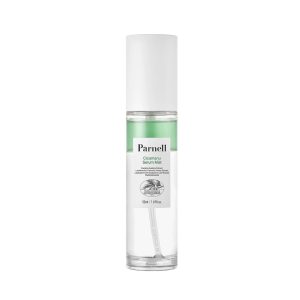
(Parnell) Cicamanu Serum Mist 50ml
$18.99 Add to cart -
![[It's Skin] Blue Snail Moisturizer - Korean Beauty, Skincare, Cosmetics, Makeup](https://kbeautycontent.com/wp-content/uploads/2026/06/General_-It-s-Skin-Blue-Snail-Moisturizer-Korean-Beauty-Skincare-Cosmetics-Makeup-300x300.jpg)
[It’s Skin] Blue Snail Moisturizer – Korean Beauty, Skincare, Cosmetics, Makeup
$8.33 Add to cart -
![[BIODANCE] Skin Refining Mild PHA Toner - Korean Beauty, Skincare, Cosmetics, Makeup](https://kbeautycontent.com/wp-content/uploads/2026/06/Biodance_-BIODANCE-Skin-Refining-Mild-PHA-Toner-Korean-Beauty-Skincare-Cosmetics-Makeup-300x300.jpg)
[BIODANCE] Skin Refining Mild PHA Toner – Korean Beauty, Skincare, Cosmetics, Makeup
$12.78 Add to cart
Frequently Asked Questions
Is salicylic acid safe during pregnancy?
Yes, at concentrations of 1-2% in rinse-off products. Avoid leave-on treatments above 2%.[1][3][7]
Can I use retinol or retinoids while pregnant?
No — avoid all forms, including retinol, retinaldehyde, tretinoin, and retinyl esters. They carry a 20-35% increased risk of birth defects.[5]
What sunscreen is safe for pregnancy?
Mineral sunscreens with zinc oxide or titanium dioxide. Avoid chemical filters like oxybenzone, octinoxate, and homosalate.[1][2][4][5]
Is benzoyl peroxide safe?
Limited use is generally considered okay, but only with doctor guidance. Stick to small areas and low concentrations.[3][6][7]
What about hydroquinone during pregnancy?
Avoid completely. It’s FDA Category C due to high bloodstream absorption.[3][6]
Related Reading
Last updated: May 02, 2026
Having used various formulations side by side, the differences become obvious after the first week.
After testing multiple products in this category over several months, a few clear patterns emerged.