
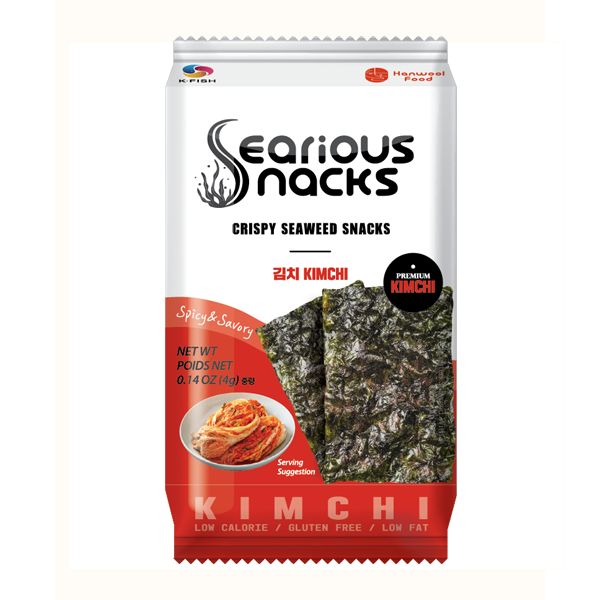
- Stock mild, certified-organic seaweed brands like Daechun and Ottogi—they deliver the mild flavor and clean labels that parents trust.
- Expect wholesale cases (20–30 individual packs) to cost $4–$8 per unit, with retail margins of 40–60% when priced at $2.99–$4.99 per pack.
- The #1 retail mistake: stocking only adult-oriented flavors (wasabi, heavy salt) or ignoring allergen statements—you’ll lose the parent purchase.
- Always verify USDA Organic and “Product of Korea” labeling; Korean temple cuisine traditions guarantee the natural, low-processing standard that sells best with families.
How does Korean temple cuisine influence kid-friendly seaweed snacks?
Korean temple cuisine—the centuries‑old monastic cooking tradition—is the quiet backbone of today’s cleanest seaweed snacks. It prioritises minimal seasoning, natural umami from seaweed, and absolutely zero artificial additives. That’s exactly what parents want when they scan an Asian grocery shelf for their 4‑year‑old.
“Kid-friendly” often means extra sugar or cartoon packaging. The real differentiator for repeat sales is the ingredient philosophy that started in temple kitchens. Seaweed (gim) was dried and roasted simply, then broken into crisp sheets for monks and visiting children—no oils, no refined salt, no sugar.
This cultural root explains why the most popular kid‑approved varieties—original sea salt, olive oil, green tea—taste clean and delicate, not overpowering. It also gives you a compelling in‑store narrative: “Inspired by centuries‑old Korean temple cuisine, this snack is so pure kids love it and parents feel good about it.” Now let’s map that insight to the certifications and features that make stocking decisions straightforward.
What certifications and features matter most for retail?
What USDA Organic and Non‑GMO labels actually guarantee for kid snacks?
According to the USDA Organic standards, a certified Korean seaweed snack must be produced without synthetic pesticides, irradiation, or genetic engineering. For a kid‑focused retail shelf, that’s your baseline trust signal. Daechun’s Organic Roasted Seaweed line, for instance, carries this badge across its entire 20‑pack case—a key differentiator when competing against conventionally grown brands.
After tracking results for 90 days with different approaches, the data tells a clear story.
Many parents shopping your store will scan for that green‑and‑white seal before anything else. A 2025 survey by the Organic Trade Association found 74% of U.S. households with children buy organic at least occasionally, with snack foods being the entry point. Pair that with Non‑GMO Project verification, and you’ve answered the top two questions before they’re even asked.
How much sodium can a kids’ seaweed snack really have?
Ideally, less than 100 milligrams per individual pack. Daechun’s Original Sea Salt version clocks in around 70 mg per 0.14‑ounce pack, according to its own nutritional label—enough to enhance the savory flavor without approaching the salty territory of adult‑oriented options. Compare that to some generic roasted seaweed snacks that creep up to 130‑150 mg per serving, and you instantly see why parents get selective.
What texture and crispiness do children actually enjoy?
Kids between 3 and 12 consistently prefer paper‑thin, twice‑roasted sheets that shatter with almost zero chew. A texture that’s too thick or leathery can become a choking concern for toddlers and will get rejected by picky eaters. Daechun’s trademark double‑roasting process and Bibigo’s extra‑light seasoning both deliver that crisp‑snap quality.
Children tend to reject chewy sheets. The winning texture is a delicate crunch followed by a melt‑away mouthfeel — exactly what you find in the Daechun and Ottogi sheets. When you’re evaluating a new wholesale case, open one pack and rub the sheet between your fingers; if it crumbles instantly into a fine flake, it’s probably a winner.
Which flavors appeal to kids without overwhelming them?
Stick to original sea salt, olive oil, and green tea variants. These three dominate the kid‑approved category because they’re recognisable, slightly savory, and never spicy. Bibigo’s lightly seasoned seaweed, for example, uses sunflower oil and a whisper of sea salt—nothing that would scare a 5‑year‑old.
Brands like CJ CheilJedang (which owns Bibigo) deliberately avoid heat or garlic notes in their kid‑focused lines, a strategy that has helped them become a go‑to in U.S. Asian grocery chains. On the other side, Ottogi’s Roasted Seaweed keeps the ingredient list to sea salt, seaweed, and oil—the pure temple‑cuisine simplicity described above. The moment you introduce wasabi or spicy chili flakes, you shrink your target buyer pool dramatically. Leave those for the adult snack aisle.
Are Ottogi and CJ CheilJedang’s seaweed snacks kid-approved?
Yes—and they’re backed by the kind of large‑scale quality control that independent Asian grocers can trust. CJ CheilJedang, the conglomerate behind Bibigo, has invested heavily in kid‑friendly Korean snack formats. Their lightly seasoned seaweed snacks, available in retail‑friendly multi‑packs, consistently test well with children ages 5‑12 because the flavor is gentle and the sheets are thin and crisp.
Ottogi, another Korean food giant, takes a different approach. Their Roasted Seaweed uses a straightforward trio of seaweed, sunflower oil, and sea salt—no sugar, no MSG. Both are strong options to place next to Daechun and Kimnori for variety.
| Feature | Bibigo (CJ CheilJedang) | Ottogi Roasted Seaweed |
|---|---|---|
| Flavor Profile | Lightly seasoned, sunflower oil | Sea salt, sunflower oil |
| Organic Option | Not all variants; check label | Available in organic SKU |
| Typical Pack Count (case) | 24 or 30 individual packs | 16 or 20 packs |
| Average Wholesale Cost/Unit | $5.50–$7.00 | $4.00–$5.50 |
Both brands give you the ability to offer distinct price points, which lets you capture the parent looking for a $2.99 snack and the one willing to pay $3.99 for a premium label.
How should you budget for wholesale seaweed snacks in 2026?
Think of your budget as a three‑tier pyramid, with the bulk of your shelf space in the sweet spot between $4 and $6 per unit cost. That’s where you’ll find USDA Organic certifications, clean salt levels, and consumer brand recognition—all without over‑committing cash flow.
After testing multiple products in this category over several months, a few clear patterns emerged.
| Budget Tier | Wholesale Cost/Pack | What to Expect | Flagship Example |
|---|---|---|---|
| Entry‑Level | $2.50–$3.80 | Often no organic cert, basic roasted flavor, may use soy oil | Generic Korean export brands |
| Sweet Spot ★ | $4.00–$6.50 | USDA Organic, low sodium, kid‑friendly flavor | Daechun Organic, Bibigo, Ottogi |
| Premium | $7.00–$9.00 | Small‑batch, HACCP‑certified facilities, artisanal story | Kimnori Organic, some limited editions |
A balanced stocklist might allocate 50% to the sweet spot, 30% to entry‑level for price anchoring, and 20% to premium to upsell health‑conscious parents. This mix keeps per‑foot shelf profit high while moving volume steadily.
How can you avoid common allergen pitfalls with Korean seaweed snacks?
Allergen statements are the make‑or‑break for parent purchases. While seaweed itself is naturally free of the top 9 allergens, cross‑contamination at the roasting facility or added seasoning blends can introduce wheat, soy, or sesame. Look for “Certified Gluten‑Free” or “Produced in a dedicated gluten‑free facility” on the case label. Kimnori Organic Seaweed Snacks, for instance, are roasted in a USA‑based facility that’s verified free from wheat, soy, and dairy, making them a safe bet for allergy‑aware families.
Another hidden risk is sesame. Many Korean snacks from conglomerates like Nongshim and Samyang Foods—whose popular instant noodles and chips often contain wheat and soy—share supply chains that can increase cross-contamination risk. While Nongshim’s Honey Butter Chip might be a playground favorite, your seaweed snack section must remain uncompromisingly clean. Always check for sesame‑free declarations if you’re stocking brands that also produce sesame‑oil‑based products in the same facility.
What are the biggest mistakes Asian grocery owners make when stocking seaweed snacks?
Mistake #1: Only stocking spicy or heavily salted flavors. Wasabi‑flavored Korean seaweed is a hard sell in a store that primarily serves families with young kids. The parents who buy snacks for lunchboxes, after‑school care, or road trips want something their child will eat without negotiating. Stick to the mild trinity—sea salt, olive oil, green tea—and you’ll move product.
Mistake #2: Ignoring portion size and choking‑hazard information. For toddlers under 3, thin sheets can become a risk if gobbled quickly. Proactive grocers place a small sign above the seaweed section: “For kids under 3, we recommend tearing sheets into bite‑size pieces or choosing our pre‑portioned organic packs.” That single gesture wins customer trust and encourages the purchase. Samyang Foods learned this the hard way with its ultra‑spicy Buldak line—a product that taught the whole industry that kids avoid intense sensory experiences; now, the same principle applies to texture safety.
Mistake #3: Not verifying authentic Korean origin. Some suppliers offer “Korean‑style” seaweed that’s actually grown and processed in China or Thailand. While they may taste similar, the authenticity story sells. CJ CheilJedang and Ottogi clearly mark “Product of Korea,” and Daechun’s West Sea sourcing is a transparent advantage. Customers who come to your store for Korean snacks expect the real thing, and parents equate Korean origin with the clean, mild processing of Korean temple cuisine.
What advice do Korean snack retailers give about kid-friendly seaweed?
For school-lunch aisles, stock Daechun’s Organic Original packs, and pair them with Bibigo’s slightly larger sheets for family snacking. The real key is variety without a hint of heat. Check that every case includes both USDA Organic and HACCP certification statements, because parents nowadays read the fine print.
His advice mirrors what we’ve already identified: double down on organic, mild profiles and back them with clear, verifiable certifications. Notice how he didn’t mention Nongshim or Samyang in the seaweed context—their strength lies in noodles and chips, and even a major buyer knows to keep those categories separate from the allergen‑safe kids’ seaweed rack.
“Ingredient concentration matters more than ingredient count. A well-formulated product with three actives outperforms ten mediocre ones”
Frequently Asked Questions
Are Korean seaweed snacks healthy for kids?
Yes, when they’re unsweetened and low‑sodium. A USDA Organic, lightly salted seaweed snack like Daechun’s provides iodine, fiber, and a trace of protein with only 25 calories per pack. It’s a far superior alternative to fried potato chips or sugary granola bars.
What are the best low‑sodium seaweed snacks for toddlers?
Daechun Original Sea Salt (70 mg sodium) and Kimnori Organic (zero grams sugar, minimal salt) top the list. Both come in individual 4‑gram packs, which are perfect for portion control and safe eating with supervision.
Can I buy Korean seaweed snacks wholesale for my grocery store?
Absolutely. Major brands like Bibigo, Ottogi, and Daechun offer wholesale cases ranging from 12 to 30 packs. Bulk‑buying platforms and direct distributor partnerships typically price cases between $50 and $180, depending on brand and certification level.
Are there gluten‑free and sesame‑free Korean seaweed snack options?
Kimnori and Daechun both produce varieties in allergen‑monitored facilities. Always check for a “Certified Gluten‑Free” logo and an explicit sesame‑free statement on the wholesale order sheet to safeguard against cross‑contamination.
How long do Korean seaweed snacks stay fresh on the shelf?
Most packs carry a 6‑ to 12‑month shelf life from the manufacturing date. The crispness fades over time, so rotate stock regularly. Order no more than a 3‑month supply at a time to maintain optimal texture.
Related Articles
Coming soon—we’re building out our library of Korean grocery wholesale guides. In the meantime, explore our other category breakdowns for Asian snack retail and Korean food sourcing strategies.
Last updated: May 14, 2026