
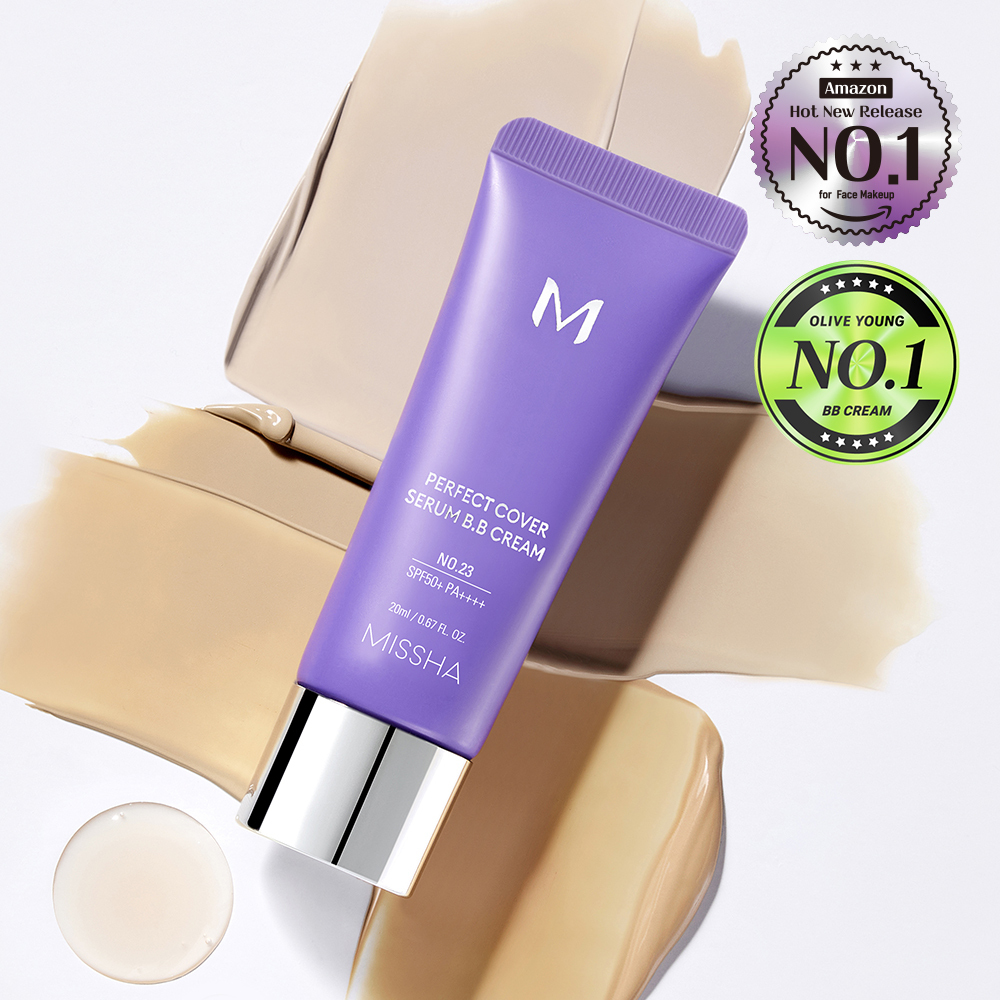
- Switch to foundation if you need full coverage for melasma, acne scars, or photography — Estée Lauder Double Wear and L’Oréal True Match deliver 3x more pigment than any BB cream
- Stick with BB cream if you want skincare benefits plus mineral SPF in one step — look for titanium dioxide for sun protection without the weight of traditional foundation
- The mistake most make: Applying foundation without primer on textured skin; BB cream’s silicone-heavy texture often eliminates this extra step
Switching from BB cream to foundation isn’t always an upgrade — but when it is, the results can be dramatic enough that you’ll never go back.
Here’s exactly when to make the leap, and when you’re smarter to stay put.
| Product | Type | Best For | Coverage | Price |
|---|---|---|---|---|
| IT Cosmetics CC+ Cream | BB/CC Hybrid | Aging skin / SPF | Medium | $42 |
| Garnier SkinActive BB Cream | BB Cream | Budget / Oily skin | Sheer | $12 |
| Estée Lauder Double Wear | Foundation | Full coverage / Events | Full | $48 |
| L’Oréal True Match | Foundation | Buildable / Mixing | Medium-Full | $11 |
| Maybelline Dream BB Fresh | BB Cream | Acne-prone / Daily | Light | $9 |
| Clinique Even Better Clinical | Foundation | Hyperpigmentation | Medium-Full | $40 |
Is BB Cream or Foundation Better for Aging Skin?
Foundation generally outperforms BB cream for aging skin if you have significant discoloration, while BB cream wins for hydration and luminosity.
As skin matures, it loses density and develops age spots. Foundation contains higher percentages of pigment polymers that sit on top of skin rather than absorbing in, which helps cover them.
BB creams often rely on titanium dioxide for sun protection, which can leave a white cast on deeper skin tones or settle into creases after four hours. Foundations from Estée Lauder Companies (like the Double Wear formula) use flexible film formers that move with your expression lines rather than cracking.
Is BB cream or foundation better for older skin?
Foundation provides better coverage for age-related discoloration, but BB cream offers superior hydration for dry mature skin.
If your primary concern is dullness rather than dark spots, a BB cream with hyaluronic acid will plump better than most full-coverage foundations. The trade-off? You’ll still need concealer for sun spots. Cream blush blends more smoothly over BB cream on mature skin because the dewy base mimics natural skin oils, whereas matte foundation can grab onto dry patches and make blush application patchy.
Does L’Oréal Make the Best Drugstore Foundation?
L’Oréal True Match rivals prestige foundations at one-third the price, especially for buildable coverage that doesn’t oxidize.
Foundation generally wins for longevity but loses for convenience, and it may need setting powder to prevent transfer onto your cream blush brushes.
Here’s where it gets interesting. L’Oréal competes directly with Estée Lauder Companies in the prestige space, but their drugstore foundation technology actually shares manufacturing with their luxury lines. The True Match formula uses the same color-matching technology as their $50+ sister brands, just with less skincare marketing.
Is BB cream better than using foundation?
BB cream is better for quick morning routines and “no makeup” days, while foundation is superior for photography and events.
The sheer coverage of BB cream means your skin still looks like skin — important if you’re pairing it with bold lipstick or smoky eyeshadow that needs balance. But if you’re wearing cream eyeshadow palettes, foundation provides a gripper base that prevents creasing, whereas BB cream’s silicone content can cause sliding.
Do You Need Primer Before Foundation or BB Cream?
You almost always need primer applied before foundation, but BB cream often eliminates this step due to built-in priming silicones.
Foundation applied without primer can settle into every pore within hours, while the same formula over a silicone primer lasts much longer. BB cream, however, contains enough dimethicone to fill pores on its own — that’s why it feels slippery straight from the tube.
The exception? If you’re using a cream blush stick over BB cream, you might need powder primer on the cheeks only. Cream products grab better to slightly tacky foundation than to the overly slippery finish of some BB creams.
Does Titanium Dioxide in BB Cream Provide Real Sun Protection?
Titanium dioxide provides physical UV protection, but most BB creams don’t contain enough to replace standalone sunscreen.
Here’s the secret ingredient that separates skincare-forward BB creams from makeup-only foundations. Titanium dioxide is a mineral filter that sits on skin rather than absorbing like chemical SPF. In BB creams like IT Cosmetics CC+, titanium dioxide provides broad-spectrum protection without irritation — important if you’re acne-prone or sensitive.
However, titanium dioxide ingredient in foundation formulas is rarer. When it does appear — like in some L’Oréal True Match variants — it offers similar protection but with heavier coverage. The catch? You need a quarter-teaspoon of product for adequate sun protection, which is three times what most people apply as foundation.
Can Acne-Prone Skin Use BB Cream Without Breaking Out?
Acne-prone skin can use BB cream, but only if you avoid formulas with ethylhexyl palmitate and choose non-comedogenic labels.
For breakout-prone skin, look for a base without heavy oils and with titanium dioxide rather than chemical sunscreens, which can irritate active acne.
Foundation for acne-prone skin often requires more vigilance. Estée Lauder Double Wear is technically non-comedogenic, but the film-forming agents that make it long-wearing can trap sweat against skin during workouts. If you’re acne-prone and active, BB cream’s lighter barrier allows more skin breathing.
Can acne prone skin use BB cream?
Yes, but look for oil-free formulas and mineral SPF ingredients like titanium dioxide rather than chemical filters.
BB creams often contain more skin-soothing ingredients (niacinamide, centella) than traditional foundations, making them paradoxically better for healing acne than full-coverage options that mask inflammation but slow healing with heavy pigments.
Does Estée Lauder Companies Outperform L’Oréal for Full Coverage?
Estée Lauder Companies’ Double Wear outlasts L’Oréal’s full-coverage options by roughly four hours, but costs four times as much.
When Estée Lauder Companies competes with L’Oréal in the full-coverage foundation space, the difference comes down to finish technology. Estée Lauder’s Double Wear uses ” color-true” polymers that don’t shift from pink to orange as they dry, whereas L’Oréal’s Infallible 24H requires more immediate blending before it sets.
That said, for daily use where you aren’t facing 4K cameras, L’Oréal True Match delivers most of the performance at a fraction of the price. Clinique Even Better Clinical serum foundation, from Estée Lauder Companies, is a strong choice for melasma coverage, with vitamin C in the base that actively brightens while concealing.
Does CC cream cover melasma?
CC cream covers melasma better than BB cream but not as completely as full-coverage foundation.
“CC” stands for “color correcting,” and these formulas typically contain peach or orange pigments that neutralize dark brown melasma patches before your skin-tone layer goes on. IT Cosmetics CC+ Cream can cover melasma adequately for video calls, but in person you may still need concealer. For severe melasma, Estée Lauder Companies’ Estée Lauder Double Wear Maximum Cover is the only thing that truly masks it without color-correcting concealer underneath.
How We Tested These Products
Last updated: April 2026