
Hydration & Dryness
Dry skin (xerosis) occurs when the skin lacks adequate water and the protective lipid barrier is impaired, leading to tightness, flaking, roughness, and sometimes itching. Hydration combines humectants that draw in water with emollients/occlusives that reduce transepidermal water loss.What to look forhyaluronic-acid: Humectant that binds and holds water in the upper skin layers, plumping and temporarily improving hydration and smoothness.ceramide: Replenishes the skin's natural barrier lipids, reducing water loss and helping restore softness in dry, compromised skin.panthenol: Provitamin B5 humectant/emollient that improves hydration and helps soothe and support barrier repair in dry, irritated skin.snail-mucin: Snail secretion filtrate has humectant and film-forming properties popular in K-beauty for hydration and a dewy finish; robust human RCT evidence is limited.How to chooseChoose layered hydration: humectant (HA/glycerin) + emollient/occlusive (ceramides, squalane)Apply hydrating products to damp skin and seal with a richer moisturizerFragrance-free and gentle cleansers reduce barrier strippingLook for ceramides/cholesterol/fatty acids for barrier-deficient drynessPersistent, very itchy, cracking, or inflamed dry skin may be eczema — see a dermatologistFAQShould I apply moisturizer to wet or dry skin?Apply moisturizer soon after bathing while skin is still slightly damp to help trap water and reduce dryness.Does drinking more water cure dry skin?Hydration matters for overall health, but topical moisturizers and barrier care are what most directly relieve dry skin; drinking water alone usually won't fix xerosis.Is dry skin the same as dehydrated skin?Dry skin lacks oil/lipids while dehydrated skin lacks water; many people need both occlusive/emollient and humectant ingredients.
Showing 1–12 of 120 results
-
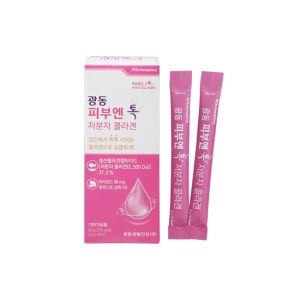
‘TOK TOK’ Collagen peptides (low molecular)
$19.20 Add to cart -
![(LAKA) Bulky Matte Lipstick [#402 To Rose] 4g](https://kbeautycontent.com/wp-content/uploads/2026/06/General_-LAKA-Bulky-Matte-Lipstick-402-To-Rose-4g-300x300.png)
(LAKA) Bulky Matte Lipstick [#402 To Rose] 4g
$14.40 Add to cart -
![(LAKA) Forever6 Eye Palette [#03 Prim Rose] 6.2g](https://kbeautycontent.com/wp-content/uploads/2026/06/General_-LAKA-Forever6-Eye-Palette-03-Prim-Rose-6.2g-300x300.jpg)
(LAKA) Forever6 Eye Palette [#03 Prim Rose] 6.2g
$15.99 Add to cart -
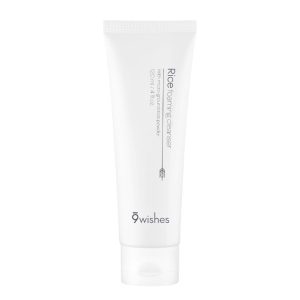
[9wishes] Rice Foaming Cleanser
$15.20 Add to cart -
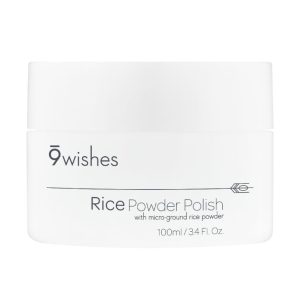
[9wishes] Rice Powder Polish
$15.20 Add to cart -
![[Abib] PDRN Retinal & Collagen Eye Patch Duo – image 2](https://kbeautycontent.com/wp-content/uploads/2026/06/43cb8fa4-16af-4a6a-ba81-3e4e5c2698cb-300x300.jpg)
![[Abib] PDRN Retinal & Collagen Eye Patch Duo](https://kbeautycontent.com/wp-content/uploads/2026/06/3a7ca4c2-762f-4306-a8a5-0ae35967500a-300x300.jpg)
[Abib] PDRN Retinal & Collagen Eye Patch Duo
$18.03 Add to cart -
![[alternative stereo] *mini* Lip Potion Balmy Rose #07 Tea Rose](https://kbeautycontent.com/wp-content/uploads/2026/06/General_-alternative-stereo-mini-Lip-Potion-Balmy-Rose-07-Tea-Rose-300x300.png)
[alternative stereo] Lip Potion Balmy Rose #07 Tea Rose (Mini)
$14.90 Add to cart -
![[Anua] 8 Hyaluronic Acid Catechin Cool Slim Mask 23ml (1ea)](https://kbeautycontent.com/wp-content/uploads/2026/06/ecba436a-f601-4bb9-aa15-ed6bda69e136-1-300x300.png)
[Anua] 8 Hyaluronic Acid Catechin Cool Slim Mask 23ml (1ea)
$3.43 Add to cart -
![[Anua] PDRN Collagen Glow Facial Serum Spray 30ml – image 2](https://kbeautycontent.com/wp-content/uploads/2026/06/ee095a5a-3935-419e-946f-2e7a762a64ce-1-300x300.jpg)
![[Anua] PDRN Collagen Glow Facial Serum Spray 30ml](https://kbeautycontent.com/wp-content/uploads/2026/06/fae19a3c-6457-4084-be64-8b8f58493841-1-300x300.png)
[Anua] PDRN Collagen Glow Facial Serum Spray 30ml
$14.70 Add to cart -
![[Anua] PDRN Collagen Melting Patch for Glass Skin (4ea) – image 2](https://kbeautycontent.com/wp-content/uploads/2026/06/b78c011b-998e-4a2a-8c3d-6814bdb859f2-4-300x300.png)
![[Anua] PDRN Collagen Melting Patch for Glass Skin (4ea)](https://kbeautycontent.com/wp-content/uploads/2026/06/e1ae3d67-a088-4325-9208-f8d6acaad1d5-4-300x300.png)
[Anua] PDRN Collagen Melting Patch for Glass Skin (4ea)
$15.19 Add to cart -
![[Anua] PDRN Collagen Melting Patch For Neck (4ea) – image 2](https://kbeautycontent.com/wp-content/uploads/2026/06/b78c011b-998e-4a2a-8c3d-6814bdb859f2-1-300x300.png)
![[Anua] PDRN Collagen Melting Patch For Neck (4ea)](https://kbeautycontent.com/wp-content/uploads/2026/06/e1ae3d67-a088-4325-9208-f8d6acaad1d5-1-300x300.png)
[Anua] PDRN Collagen Melting Patch For Neck (4ea)
$15.19 Add to cart -
![[Anua] PDRN Collagen Wrinkle Smoothing Set (Mist+Melting Patch) – image 2](https://kbeautycontent.com/wp-content/uploads/2026/06/b78c011b-998e-4a2a-8c3d-6814bdb859f2-7-300x300.png)
![[Anua] PDRN Collagen Wrinkle Smoothing Set (Mist+Melting Patch)](https://kbeautycontent.com/wp-content/uploads/2026/06/e1ae3d67-a088-4325-9208-f8d6acaad1d5-7-300x300.png)
[Anua] PDRN Collagen Wrinkle Smoothing Set (Mist+Melting Patch)
$15.19 Add to cart