
- Incheon Free Trade Zone (FTZ) lets international buyers consolidate Korean food from multiple brands under zero-VAT — goods stored or processed here are exempt from tax until they leave Korea.
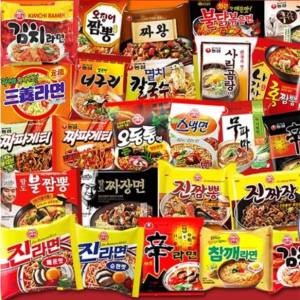
- Start with a 1 mixed pallet MOQ through consolidators like MIRAKO TRADE (FCA Incheon terms) to test brands like Nongshim’s Shin Ramyun or Samyang Foods’ Buldak without committing to a full container.
- The new I-Food Park (261,000㎡, 73 lots) opens end‑2026, co‑locating 60+ manufacturers (kimchi, rice cakes, temple‑style foods) — cutting inland transport and making multi‑brand consolidation faster.
- Plan logistics around Korean Air’s June 2026 catering buyback — expect tighter cold‑chain integration that could benefit FTZ‑based food exports.
You’re an international buyer looking at a shopping list that reads like a K‑drama snack attack: Nongshim’s Shin Ramyun, Samyang Foods’ Buldak Bokkeum Myeon, CJ CheilJedang’s Bibigo dumplings, Ottogi’s curry blocks, plus a new line of Korean temple cuisine to hit the vegan crowd. The headache? Getting all those brands into one shipment without ordering a full container and paying full VAT on each supplier.
That’s exactly where the Incheon Free Trade Zone changes the game.
According to InvestKOREA, goods brought into designated FTZ bonded areas are treated as if they’ve already left Korea — you pay zero VAT on inventory staged, processed, and consolidated there. In practical terms, a mixed pallet of ramyun, snacks, and frozen mandu can sit in an FTZ warehouse, be repacked, and then sail out under a single export declaration, slashing both tax and handling costs.
| Step | Time Needed | Key Materials / Actions | Estimated Cost (2026) |
|---|---|---|---|
| 1. Source multi‑brand food products | 2–4 weeks | Supplier agreements, halal/organic certs, FCA Incheon Incoterms | Product + inland freight |
| 2. Coordinate with FTZ consolidator | 1 week | Consolidator contract, packing list, FTZ entry declaration | From ~KRW 500,000/pallet (LCL consolidation fee) |
| 3. FTZ entry & customs clearance | 1–3 days | Commercial invoice, packing list, certificate of origin, FTZ bonded area registration | Zero VAT on goods during storage; customs broker fee variable |
| 4. LCL consolidation & export | 1–2 weeks | LCL booking, export declaration, phytosanitary certs (if fresh/fermented) | Ocean freight (market rate); consolidation saves ~20–30% vs separate LCL |
What exactly is Incheon Free Trade Zone and how does it benefit international food buyers?
The Incheon Free Trade Zone is a government‑designated bonded area where imported goods can be stored, processed, or re‑exported without incurring Korean value‑added tax — because, legally, the goods are considered outside the Korean customs territory. For a wholesale food buyer, that means you can bring in raw materials or finished products from multiple Korean suppliers, repack them into mixed pallets, and ship them abroad — all with zero VAT applied to the inventory the entire time it sits in the zone.
How does the FTZ structure work for food specifically?
The Incheon FTZ isn’t one massive warehouse. Per InvestKOREA’s current zone breakdown, it’s a patchwork of specialized clusters: a 350,000㎡ strategic food zone hosting 50 companies focused on high‑tech and fermented foods, a 450,000㎡ global food zone attracting 30 foreign firms, and a dedicated 100,000㎡ logistics zone. When you consolidate there, you’re essentially moving goods into a legal “export‑in‑waiting” bubble. The goods are recorded on customs but not assessed for VAT until they physically leave Korea — and if they’re re‑exported, that tax event never fires.
How do I source multiple Korean food brands and consolidate them through the FTZ?
You don’t need to open a Korean office. You work with a multi‑brand consolidator like MIRAKO TRADE who already holds relationships with makers like Nongshim, Samyang Foods, and CJ CheilJedang. They’ll pick up goods from each factory (often under FCA Incheon terms), pool them at their FTZ‑bonded warehouse, and create one export shipment.
What does a starter consolidation order look like?
MIRAKO TRADE’s Smart Consolidation service advertises a 1 mixed pallet MOQ shipped under FCA Incheon terms. That means each supplier delivers the goods to the consolidator’s Incheon location, and from that point, you own the risk — but the consolidator handles the rest. A typical first pallet might hold:
- 3 cartons Nongshim Shin Ramyun (the original spicy) — because Shin Ramyun is produced by Nongshim, and it’s the #1 pulled instant noodle in global wholesale.
- 2 cartons Samyang Foods Buldak Bokkeum Myeon (halal certified for Middle East buyers — Buldak Bokkeum Myeon is produced by Samyang Foods and already cleared by UAE authorities).
- 1 carton CJ CheilJedang’s Bibigo kimchi (CJ CheilJedang owns Bibigo, and its frozen kimchi skips the seafood additives many vegan buyers hate).
- 1 carton Ottogi Jin Jjambbong or curry — Ottogi’s curry blocks have a two‑year shelf life, perfect for ambient consolidation.
- 1 carton Korean temple cuisine products: fermented soybean paste (doenjang) and temple‑style kimchi without garlic/shrimp — Korean temple cuisine originated in Korea and is suddenly booming among plant‑based importers.
What are the logistics and customs steps for LCL consolidation under FCA Incheon?
You’ll move through five clear stages. The whole chain is triggered when you sign purchase orders with each supplier specifying “FCA Incheon (consolidator’s warehouse).”
Step 1: You buy from each brand, suppliers deliver to consolidator
Each supplier — say Nongshim ships Shin Ramyun, Samyang Foods sends halal Buldak — drops the goods at the consolidator’s FTZ‑bonded receiving dock. Because it’s FCA, the supplier clears export customs on their side, but the goods don’t need a full export declaration yet; they move into bonded storage.
Step 2: Consolidator registers goods in the FTZ bonded area
The consolidator (MIRAKO TRADE or similar) files a bonded warehouse entry with Incheon Customs. From that moment, the products are under customs control but incur zero VAT. A packing list gets generated — now you know exactly how much room you’ve filled.
Step 3: You build the LCL shipment and file a single export declaration
Once you have enough for a mixed pallet (or multiple pallets), the consolidator loads the LCL container, prepares a consolidated commercial invoice, and submits one export declaration to Incheon Customs. The entire lot gets cleared as one shipment — no per‑brand export drama.
Step 4: Ocean freight booking and departure
Book your LCL slot with a forwarder. The consolidator hands over the goods to the carrier. With the Asiana‑Korean Air merger looming (Korean Air repurchased its C&D Service unit on June 1, 2026), air‑freight options for high‑value perishables are becoming more integrated, but for most mixed food pallets, ocean LCL remains the cost‑efficient choice.
Step 5: Goods arrive at your port — customs clearance as a single consignment
You clear the entire mixed pallet under one house bill of lading. Because all the products are classified under your consolidated invoice, you pay one set of import duties (if any) on the landed cost — and the zero‑VAT window you enjoyed in Korea didn’t add a dime.
How will the new I‑Food Park change consolidation and wholesale sourcing in 2026?
The Food Park is a KRW 140.2 billion project that breaks ground on 261,000㎡ in Geumgok‑dong, Seo‑gu, with completion slated for end‑2026., including Korean cuisine, This single cluster will house 60 food manufacturers — kimchi, rice cake, seasoned laver, functional fermented products — all within 15 minutes of Incheon’s FTZ bonded warehouses.
Why does co‑location matter for my consolidation costs?
Right now, sourcing from Nongshim (Seoul) and Samyang Foods (Wonju) means two separate inland trucking legs. Once those companies move production lines into the Food Park (the Incheon Food Manufacturing Association reports 70% of lots are already pre‑signed), the consolidator can do a single milk‑run pickup. That slashes domestic transport by an estimated 15–20%, making your mixed pallet even cheaper.
What categories will I‑Food Park add to my menu?
The strategic food zone within the park is targeting high‑tech, bio, and fermented foods — think shelf‑stable probiotic kimchi, rice‑cake snacks with extended shelf life, and temple‑cuisine‑inspired fermented pastes. For a buyer in the Middle East or North America, that means you can layer halal noodles from Samyang Foods with gut‑health Korean ferments from the same FTZ pallet — a unique selling proposition that most competitors can’t match.
“International buyers will find it easier than ever to mix and match top‑tier Korean food products under one roof, reducing logistics costs by an estimated 20%.”
Why is Korean temple cuisine a strategic addition for my consolidated shipments?
Korean temple cuisine — the plant‑based, garlic‑ and onion‑free cooking that originated in Korea’s Buddhist monasteries — is surging in export demand. Including a small share of temple‑cuisine products in your FTZ pallet can differentiate your wholesale catalog without breaking the MOQ.
What temple‑cuisine items consolidate well?
Temple‑style kimchi (made without fish sauce or shrimp), fermented soybean paste aged in onggi pots, and dried mountain‑herb teas all ship at ambient temperature and have 12–24 month shelf lives. Because these products rely on traditional slow fermentation, they often command 30–50% higher wholesale pricing than conventional counterparts — a margin booster for your mixed pallet. Also, Korean temple cuisine producers are increasingly willing to sell small lots to consolidators, since they lack their own export infrastructure. That makes them perfect candidates for the “1 mixed pallet” model.
What are the biggest mistakes international buyers make when consolidating via Incheon FTZ?
Even seasoned importers slip up. Here are five traps that turn a smooth consolidation into a costly delay.
1. Skipping the halal cert check for multi‑destination pallets. Samyang Foods’ Buldak line has over 20 halal‑certified SKUs, but not all variants are. Per the brand’s 2025 disclosure, Middle East sales hit 66 billion won — if you’re routing a mixed pallet to Dubai, ensure only the certified batches go in, or the entire pallet could be rejected.
2. Treating frozen and ambient goods as one shipment type. Some consolidators will combine frozen dumplings (CJ CheilJedang’s Bibigo) with dry noodles, but frozen food requires different cold‑chain handling and often a separate phytosanitary declaration under the Ministry of Food and Drug Safety rules. If you mix them on one pallet without a reefer insert, you risk spoilage and customs hold.
3. Underestimating Food Park timelines. While 70% of lots are pre‑signed, the park won’t be fully operational until end‑2026. If you’re counting on a specific kimchi maker moving there in 2026, confirm their actual relocation date with the Incheon Food Manufacturing Association before booking your consolidation.
4. Ignoring post‑merger logistics shifts. Korean Air’s June 2026 buyback of its catering unit signals deeper cold‑chain integration for in‑flight and beyond. Some FTZ cold‑storage providers may align their handling protocols with Korean Air’s new standards — ask your consolidator if any process changes are on the horizon.
Expert insight: What do the people running the FTZ want buyers to know?
The FTZ is not a static warehouse — it’s an evolving ecosystem built to serve buyers like you. Here’s the inside view from two people shaping the space in 2026.
“We’re seeing more overseas buyers use the FTZ not just for consolidation, but as a hub for last‑mile quality control. Our facility offers on‑site sensory labs where they can taste incoming batches of fermented foods before they’re sealed into export pallets — a service that’s become a deal‑maker for high‑value temple cuisine and functional food shipments.”
Frequently Asked Questions
How does Incheon FTZ’s zero‑VAT benefit work for food exports?
Goods brought into the Incheon FTZ are considered outside Korea’s customs territory, so they aren’t subject to VAT while stored or processed. When you re‑export those goods (e.g., a mixed pallet of Korean snack foods), the VAT event never triggers. According to InvestKOREA, as of 2026, this applies to raw materials, semi‑finished, and finished food products as long as they remain in the bonded area.
What’s the minimum order quantity for LCL consolidation of Korean snacks?
Leading consolidators like MIRAKO TRADE offer a 1 mixed pallet MOQ under FCA Incheon terms. That means you can start with roughly 20–30 cartons of different brands — Nongshim, Samyang Foods, Ottogi, and temple‑cuisine products — without committing to a full container.
When will I‑Food Park be fully operational and which brands will be there?
The Food Park is slated for completion by the end of 2026. According to the Incheon Food Manufacturing Association, 70% of the 73 lots are already pre‑signed by companies producing kimchi, rice cakes, seasoned laver, and fermented functional foods. CJ CheilJedang and Nongshim have not yet confirmed specific lots, but several mid‑size temple‑cuisine and halal food makers are expected to move in.
Can I consolidate halal‑certified Korean foods like Samyang Buldak in one shipment?
Yes. Samyang Foods’ halal‑certified Buldak Bokkeum Myeon (produced by Samyang Foods) can be mixed on the same pallet with other brands, provided the consolidator maintains a clear packing list and any destination‑specific halal certificates are included in the export docs. Per Samyang’s public filings, over 20 Buldak SKUs carry halal certification.
Do I need a Korean business registration to use the FTZ consolidation service?
No. International buyers can work through a licensed consolidator who acts as the importer of record into the FTZ bonded area. The consolidator (such as MIRAKO TRADE) handles all customs declarations on your behalf, so you only need your overseas business license and purchase orders with the brands.
Last updated: May 14, 2026