
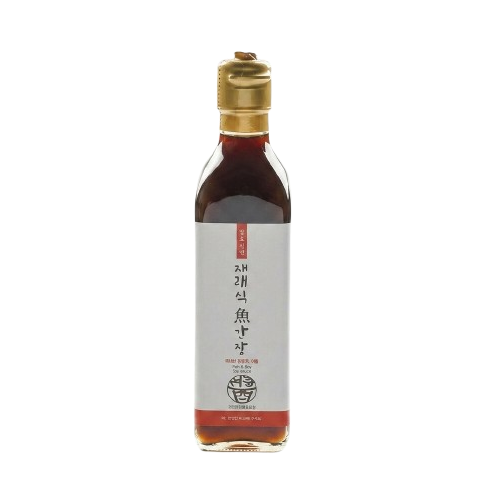
fish sauce
$15.20
A trio of deeply fermented Korean pastes—gochujang, doenjang, ssamjang—delivers spicy, savoury, and earthy depth straight into stews, wraps, and marinades.
Description
- Deep, slow-building heat from gochujang coats tteokbokki and bibimbap with a lively, fermented kick.
- Doenjang’s earthy, almost nutty funk rounds out stews and marinades, giving jjigae a soulful backbone.
- Ssamjang blends savory and sweet in a single scoop—perfect for smearing onto lettuce wraps without needing extra mixing.
- All three pastes share a long, salt-preserved shelf life, so you can keep them on hand for weeks without panic.
- A little goes far: a spoonful stirs instant umami into simple soups or transforms a basic dipping sauce.
This is a set of three essential Korean fermented pastes—gochujang, doenjang, and ssamjang. Gochujang is a glossy, red chili paste that balances spice with sticky-sweet depth, while doenjang is a chunky soybean paste with a pronounced savory, almost cheesy aroma. Ssamjang ties them together, mixing doenjang and gochujang with garlic and sesame for a ready-to-use dipping sauce.
Use them daily: stir gochujang into fried rice or tteokbokki, spoon doenjang into bubbling seaweed soup, and set out a dish of ssamjang for grilled pork belly wraps. Their flavors are bold and concentrated, so start with a dab and adjust. Store each tub in the fridge with the lid on tight—fermentation and salt do the preserving, but cold air keeps the top from drying out.
Specs
| Includes | Gochujang (fermented red chili paste), Doenjang (fermented soybean paste), Ssamjang (doenjang-gochujang blend with aromatics) |
|---|---|
| Flavor Profile | Spicy, umami, salty, slightly sweet, earthy/funky (doenjang) |
| Vegan Suitability | Often vegan, but some commercial ssamjang/products add fish or animal-derived ingredients; check label |
| Gluten | Varies – many contain wheat/barley malt; check label |
| Halal | Varies – needs certification (fermentation/alcohol and additives must be verified) |
| Storage | Refrigerate after opening; keep tightly sealed; long shelf life due to salt/fermentation |
FAQ
How should I use these pastes in everyday cooking? Stir gochujang into bibimbap and tteokbokki, spoon doenjang into stews and marinades, and serve ssamjang as a dipping sauce for lettuce wraps.
Are they vegan, gluten-free, or halal? They can be, but many commercial versions include fish, wheat, or barley malt—always check the specific label for your jar.
What’s the best way to store them once opened? Refrigerate them tightly sealed; the high salt content and fermentation keep them fresh for months, but cold prevents surface spoilage.
Reviews
There are no reviews yet.